Caring for an indoor pet ferret requires an understanding of their unique physiology, high metabolisms, and specialized nutritional needs. When developing a comprehensive ferret health and care guide for your home, you have to look beyond standard mammalian pet care. Ferrets are obligate carnivores with short digestive tracts, meaning their bodies process food rapidly and demand specific nutrients to maintain optimal organ function. Because these intelligent and active animals hide symptoms of illness until they are quite advanced, proactive monitoring is your best tool as an owner.
This guide covers the core pillars of domestic ferret stewardship: establishing a sustainable daily diet, implementing reliable at-home weight tracking routines, understanding common endocrine disorders like adrenal disease and insulinoma, and knowing when to schedule professional veterinary interventions. By building consistent habits around feeding, handling, and observation, you can catch minor issues before they escalate into major medical emergencies.
Understanding Nutritional Requirements for Indoor Ferrets
The single most influential factor in your ferret’s long-term wellness is nutrition. In the wild, these animals consume whole prey—bones, organs, meat, and feathers—which provides a balanced intake of animal protein, animal fat, and moisture. Domestic indoor ferrets rely entirely on their human caregivers to replicate this nutritional profile through commercial diets or carefully formulated raw feeding plans.
Ferrets cannot efficiently digest plant matter, complex carbohydrates, or high levels of fiber. Their gastrointestinal tracts are simply too short, passing food in roughly three to four hours. Therefore, a diet rich in plant proteins like corn, wheat, or soy will fail to nourish them properly and can lead to severe nutritional deficiencies, urinary tract stones, and lethargy.
When selecting a commercial diet, look for formulas where animal protein sources make up the first several ingredients. Premium ferret-specific kibbles or high-grade kitten foods that meet stringent protein and fat percentages are standard staples in modern husbandry. Avoid sugary treats, fruits, and vegetables, as these can disrupt their blood sugar regulation and pave the way for pancreatic tumors over time.
The Core Components of a Balanced Ferret Diet
To keep your pet thriving, aim for commercial diets or structured feeding routines that hit specific nutritional benchmarks. While exact formulas vary, healthy adult ferrets generally require a diet composed of roughly 35 to 40 percent protein and 20 to 22 percent fat. Growing kits, pregnant or nursing jills, and recovering seniors may require even higher fat and protein contents to support their metabolic demands.
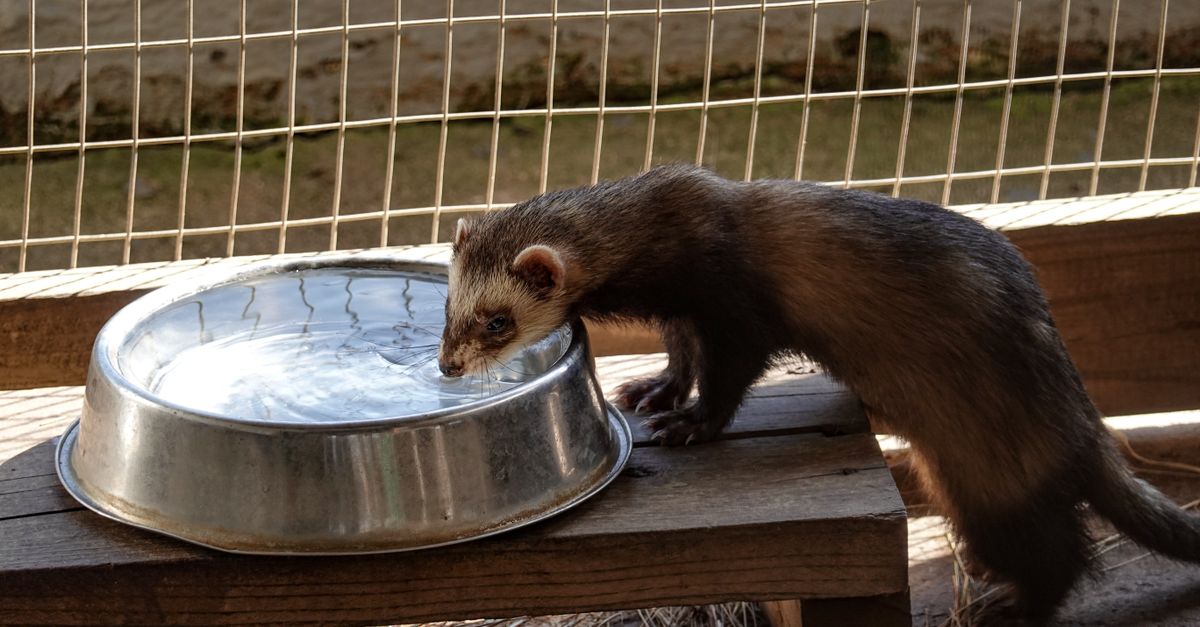
Water intake is equally critical. Ferrets should have continuous access to fresh, clean water via heavy ceramic bowls or secure hanging bottles. Many ferrets prefer bowls because they allow for a more natural drinking posture, though bowls must be heavy enough to prevent tipping during enthusiastic digging sessions.
- Protein Quality: Ensure the primary ingredients are whole meats such as chicken, turkey, or lamb rather than meat by-products or plant meals.
- Fat Content: Animal fats provide essential fatty acids for a glossy coat and concentrated energy for their high-speed play sessions.
- Carbohydrate Restriction: Keep fiber under 3 percent and eliminate grains, peas, and potatoes entirely to protect pancreatic health.
- Feeding Schedule: Because of their rapid metabolism, ferrets prefer grazing throughout the day and night rather than eating one or two large meals.
Furthermore, evaluating ingredient labels requires careful attention. Many commercial pet foods utilize pea protein, sweet potato, or potato starch as binding agents in kibble production. In recent years, veterinary research has increasingly linked high concentrations of legumes and complex plant starches in ferret diets to the development of urolithiasis—specifically bladder and kidney stones composed of cystine or struvite. Because a ferret’s urine pH is naturally acidic, introduction of heavy plant components can alter urinary chemistry, leading to painful blockages that require emergency surgical intervention. Always review the full ingredient deck rather than relying solely on marketing claims on the front of the bag.
Why Weekly Weight Tracking is Non-Negotiable
One of the most effective, low-cost habits you can cultivate is weekly weight tracking. Ferrets are masters of camouflage when it comes to disease. A ferret can lose significant muscle mass or accumulate hidden fluid while maintaining a fluffy appearance that fools the human eye. An accurate digital kitchen scale provides objective data that visual observation simply cannot match.
How to Conduct a Home Weigh-In Routine
Weighing your ferret should take less than two minutes once you establish a routine. Use a digital kitchen scale that reads in grams or ounces, and place a small, high-sided container on the scale. Tare the scale to zero with the container in place so you are measuring only the animal.
Place your ferret inside the container, perhaps offering a tiny smear of a safe supplement or meat-based paste to keep them momentarily still while the numbers settle. Record the weight in a dedicated notebook or smartphone app every week at roughly the same time of day, ideally before a heavy feeding.
A stable weight is a sign of good health, but minor seasonal fluctuations are normal. Many ferrets gain a layer of healthy fat heading into the winter months and lean out during the spring and summer shedding cycles. However, an unexplained, steady weight loss exceeding 10 percent of their total body mass warrants a prompt veterinary evaluation.
In addition to raw numbers on a digital scale, owners should incorporate a tactile body condition scoring (BCS) system into their weekly handling routine. Gently run your hands along your ferret’s spine, ribs, and pelvic bones. An ideal weight ferret features a slight fat layer over the ribs that prevents them from feeling sharp or prominent, while the spine and shoulders remain smooth without severe bony prominences. If the shoulder blades feel razor-sharp or the hips protrude sharply, your ferret is experiencing muscle wasting, regardless of what the scale says. Conversely, if you cannot feel the ribs at all beneath a thick layer of fat, the animal is overweight, which places undue stress on their cardiovascular and endocrine systems.
Recognizing Early Signs of Adrenal Disease
Adrenal gland disease, also known as hyperadrenocorticism, is one of the most prevalent endocrine disorders affecting domestic ferrets. Unlike human adrenal disease, which typically involves the overproduction of cortisol, ferret adrenal disease involves an overproduction of sex hormones caused by benign or malignant tumors on one or both adrenal glands.
This condition frequently develops in middle-aged to older ferrets, often linked to early spaying and neutering, which removes the feedback loop that regulates hormone production from the pituitary gland. Recognizing the early symptoms can drastically improve your pet’s comfort and treatment outcomes.
- Progressive Hair Loss: Alopecia typically begins at the base of the tail and gradually moves up the flanks and torso, often sparing the head and limbs.
- Itchiness and Skin Inflammation: Many ferrets with adrenal disease scratch excessively, lick their skin, or develop thin, fragile dermis.
- Behavioral Changes: Unneutered males may exhibit renewed sexual aggression, scent-marking, and difficulty urinating due to an enlarged prostate compressing the urethra.
- Vulvar Swelling: In spayed females, the vulva often swells significantly, mimicking the appearance of a jill in heat.
- Muscle Wasting: Hind-limb weakness and overall muscle atrophy occur as the body breaks down protein stores under hormonal influence.
If you notice any of these signs, schedule an appointment with an experienced exotic veterinarian. Treatments range from surgical removal of the affected gland to hormone-regulating implants that manage symptoms and restore coat quality for extended periods. Beyond physical appearance, untreated adrenal disease can lead to severe systemic complications. For instance, prostate compression in males creates a true surgical emergency if the animal becomes completely blocked and unable to void urine. Discussing preventive hormone implants with your veterinarian once your ferret reaches middle age can often delay or mitigate the onset of these disruptive hormonal imbalances.
Understanding Insulinoma and Blood Sugar Management
Another common condition in aging ferrets is insulinoma, a tumor of the pancreas that causes an overproduction of insulin. This excess insulin strips glucose from the bloodstream, leading to dangerous hypoglycemia. Early signs are often subtle and easily dismissed as normal senior sluggishness.
You might notice your ferret staring blankly into space, drooling excessively, pawing at their mouth, or experiencing sudden weakness in their hind legs—sometimes referred to as glass-eyed stares or stumbling episodes. In severe cases, a low blood sugar crash can cause seizures, collapse, or a comatose state.
Managing insulinoma typically involves a combination of dietary adjustments—eliminating all simple sugars and high-carbohydrate treats—and medications such as prednisone or diazoxide to stabilize blood glucose levels. Regular veterinary checkups that include routine blood panels are vital for catching insulinoma before a severe crisis occurs.
When an active hypoglycemic episode occurs at home, owners must act quickly. Rubbing a small amount of a high-calorie carnivorous supplement, Karo syrup, or honey onto the ferret’s gums can rapidly elevate blood glucose levels enough to pull them out of an acute crash. However, this is strictly an emergency stabilization measure; once the ferret stabilizes, they must be offered a high-protein, meat-based meal to sustain their blood sugar, followed by a prompt consultation with your veterinarian to adjust their daily medical protocol.
Structuring Routine Veterinary Wellness Visits
Ferrets age much faster than humans or dogs, packing a lifetime into six to ten years. Because of this accelerated aging process, veterinary care cannot follow an annual schedule once a ferret reaches middle age. Veterinarians typically recommend wellness exams every six months for ferrets over the age of three.
A standard wellness exam should include a comprehensive physical check of the heart, lungs, abdominal organs, teeth, skin, and lymph nodes. Your vet may also recommend baseline blood work and urinalysis to monitor kidney and liver function, check white and red blood cell counts, and screen for early metabolic shifts.
Preventive care also includes staying current on vaccinations where required by local laws or lifestyle risks, notably canine distemper and rabies. Discuss vaccine protocols with a vet who specializes in exotic or small mammals, as ferrets can occasionally experience vaccine sensitivities that require premedication.
In addition to physical examinations and blood panels, proactive diagnostic imaging such as abdominal ultrasounds or radiographs can be invaluable. Because ferrets are prone to foreign body ingestion, splenomegaly (enlarged spleen, which is very common and often benign in older ferrets), and cardiac issues like cardiomyopathy, having baseline imaging on file allows your veterinarian to track subtle changes over time. Establishing a strong relationship with an exotic practice ensures that when subtle behavioral changes arise, diagnostic work can begin immediately without losing precious time.

Creating a Safe Indoor Environment
Health management extends beyond diet and vet visits into your ferret’s immediate habitat. Ferrets are notoriously curious explorers capable of fitting through remarkably small spaces. Safeguarding your home prevents accidental ingestions of foreign objects, which can cause life-threatening intestinal blockages.
Inspect your living areas for rubber items, foam, shoe insoles, and soft plastics that ferrets love to chew and swallow. Provide a spacious, well-ventilated cage with multiple levels for resting, but prioritize out-of-cage playtime in ferret-proofed rooms under direct supervision.
Keep ambient room temperatures comfortable—ideally below 80 degrees Fahrenheit. Ferrets do not tolerate high heat and humidity well; they lack efficient sweat glands and can easily succumb to heatstroke during warm summer months.
Environmental enrichment is equally vital for mental wellness. Ferrets are highly intelligent animals that require stimulation to prevent boredom-induced destructive behaviors. Incorporate tunnel systems, dig boxes filled with dried rice or large-particle untreated packing peanuts, and puzzle feeders designed for small mammals. Rotating toys weekly keeps their environment engaging and encourages natural hunting, exploring, and foraging behaviors.
Dental Care and Hygiene Best Practices
Dental health is frequently overlooked in ferret wellness routines, yet periodontal disease can cause systemic inflammation and impact overall health. Because many commercial diets consist of dry kibble, plaque and tartar can accumulate along the gumline, leading to gingivitis, tooth root abscesses, and pain that discourages eating.
To maintain oral health, owners should gently brush their ferret’s teeth weekly using a soft-bristled toothbrush and a pet-safe enzymatic toothpaste formulated for cats or ferrets—never use human toothpaste, as fluoride and foaming agents are toxic. In addition, periodic professional dental cleanings under anesthesia performed by your veterinarian may be necessary for older ferrets with heavy tartar accumulation.
Summary Checklist for Daily and Weekly Care
Maintaining a consistent routine keeps your ferret healthy and makes it easier to spot anomalies. Here is a quick checklist to guide your husbandry practices:
- Daily: Provide fresh water, replenish high-protein food, clean litter boxes, and supervise out-of-cage exercise.
- Weekly: Weigh your ferret on a digital scale, check claw lengths, inspect coat and skin condition, and examine ears for excessive wax or mites.
- Monthly: Clean bedding thoroughly, inspect toys for wear and tear, and check ferret-proofing barriers in play areas.
- Bi-Annually: Schedule wellness exams with an exotic veterinarian for ferrets over three years old.
Frequently Asked Questions About Ferret Health
How often should I bathe my ferret?
Unlike dogs, ferrets should rarely be bathed—typically no more than once or twice a year, or if they get into something sticky or toxic. Frequent bathing strips the skin of natural oils, prompting the sebaceous glands to produce even more oils and intensifying their natural musky odor.
Can ferrets eat cat treats?
Most commercial cat treats contain grains, sugars, and plant derivatives that are harmful to a ferret’s digestive system. Stick to freeze-dried 100 percent meat treats such as chicken hearts or pure salmon oil in tiny quantities.
What is normal sleep behavior for an indoor ferret?
Ferrets are notorious heavy sleepers, often logging 14 to 18 hours of sleep per day. A deeply sleeping ferret can sometimes be difficult to wake—a phenomenon known as ferret dead sleep. However, if your ferret is lethargic during their normal waking hours and unresponsive to environmental stimuli, consult a vet immediately.
By prioritizing proper nutrition, vigilant weight tracking, and proactive veterinary care, you give your indoor pet ferret the best possible foundation for a long, vibrant life. Stay observant, trust your instincts when something feels off, and work closely with an experienced animal professional to navigate the golden years of pet ownership.