When retail beef prices climb, buying direct freezer beef savings often looks like a smart way to lock in predictable food costs. Instead of paying individual package prices for ground chuck, ribeyes, and sirloins at the supermarket, buying a half or quarter share of beef directly from a local livestock producer lets you purchase animal protein by the hanging weight. Yet, navigating bulk meat purchasing requires looking past simple headline numbers to understand processing fees, take-home yield, and whether your household will actually eat every cut provided in a mixed share.
For US families looking to offset food inflation, buying direct freezer beef savings can be substantial, but the math depends heavily on upfront capital, freezer capacity, and how your family cooks. This guide breaks down the true economics of farm-direct beef purchases, helping you decide whether ordering a fraction of an animal makes financial sense for your household.
In recent years, grocery store meat aisles have become a major pressure point for household budgets. Supply chain shifts, rising feed costs, and processing industry consolidation have pushed retail beef prices to historic highs. For families trying to maintain a balanced diet without overspending, buying bulk beef from a local rancher has re-emerged as a viable alternative. However, transitioning from weekly supermarket trips to a single annual or semi-annual bulk purchase requires a shift in how you think about grocery budgeting, food storage, and meal planning. This deep dive examines every variable involved so you can approach your first farm-direct purchase with total confidence.
Understanding Bulk Beef Terminology: Hanging Weight vs. Retail Yield
The first hurdle for many first-time bulk meat buyers is understanding how pricing works. When you buy beef from a local rancher, you rarely pay by the exact pound of meat that goes into your kitchen. Instead, you pay by the hanging weight—also known as carcass or rail weight—which is the weight of the animal after it has been slaughtered, bled, and eviscerated, but before it is aged, trimmed, and cut.
A typical steer might have a live weight of 1,200 pounds. Once processed into a hanging weight, that drops to roughly 720 pounds (about 60% of live weight). From there, as the butcher removes bone, excess fat, and moisture during aging and custom cutting, you receive the final take-home packaged weight—often called the retail yield. For a standard bone-in, standard-trim half beef, your take-home yield is typically around 60% to 65% of the hanging weight, or roughly 430 to 460 pounds of actual meat. If you order a quarter share, you can expect roughly 200 to 225 pounds of packaged beef, depending on the size of the animal and your cut preferences.
Failing to account for this drop from hanging weight to packaged weight is the most common reason buyers miscalculate their cost per pound. If a rancher charges $4.00 per pound of hanging weight, your actual cost per pound of take-home meat is automatically higher once processing fees are added to the equation. To determine your true cost, you must divide your total financial outlay—combining the animal cost and the processing bill—by the final pounds of meat stacked in your freezer.
Furthermore, understanding the difference between standard and light trim can alter your yield. If you request heavy fat trimming or opt for completely boneless cuts throughout your order, your final packaged weight will decrease further because bones and exterior fat are discarded during processing. While boneless cuts save space and reduce prep time later, they increase your effective price per pound because you are paying for bone weight during the hanging phase that ultimately ends up in the butcher’s scrap bin.
The True Cost Breakdown: Farm-Direct vs. Grocery Store Prices
To evaluate buying direct freezer beef savings accurately, you must combine the base animal cost with the butcher’s processing fees. Processing typically includes slaughter, hanging, cutting, vacuum-sealing or paper-wrapping, and freezing. Some butchers charge a flat fee per head split among buyers, while others charge a base kill fee plus a per-pound charge on the hanging weight.
Consider a hypothetical quarter beef share:
- Hanging Weight: 180 pounds at $4.50 per pound = $810 paid to the rancher.
- Processing Fees: Roughly $1.00 to $1.30 per pound of hanging weight, plus extra charges for specialty items like beef patties or premium sausage links, totaling approximately $200 to $240 paid to the processor.
- Total Investment: Roughly $1,050 for a quarter share.
- Take-Home Yield: Approximately 110 pounds of packaged beef.
- Effective Cost: Roughly $9.55 per pound blended average across all cuts.
At first glance, a blended average of $9.55 per pound might sound comparable to grocery store ground beef prices. However, that blended average includes high-end cuts like filet mignon, New York strips, ribeyes, and flat irons alongside ground beef, stew meat, and chuck roasts. When you factor in that retail prices for premium steaks often exceed $16 to $22 per pound at conventional supermarkets, the value proposition becomes clear. You are essentially getting premium steaks at ground beef prices, and ground beef at a slightly higher baseline.
To make this financial comparison work in your favor, your household must actually consume the mix of cuts provided. If your family eats premium steaks once a year but buys ground beef weekly, a bulk share changes your culinary habits. Conversely, if you love grilling ribeyes, braising chuck roasts, and keeping your weeknight taco nights stocked with high-quality ground beef, the blended cost delivers genuine savings compared to buying equivalent quality grass-fed or grain-finished beef at specialty grocery stores.
It is also worth noting regional variations in pricing. In the Midwest and parts of the Mountain West, where cattle production is concentrated, hanging weight prices may be lower, whereas coastal buyers often pay a premium for local transportation and processing scarcity. Always request a clear, itemized estimate from both the rancher and the processor before putting down a deposit so you aren’t surprised by hidden fees for specialty wrapping or disposal.
Evaluating Cut Distribution and Kitchen Realities
Buying beef in bulk means accepting the natural anatomy of a cow. A standard quarter or half share is not a custom assortment of your absolute favorite cuts; it is a fixed percentage of the animal. Understanding this distribution is essential before committing funds.
A typical share consists roughly of:
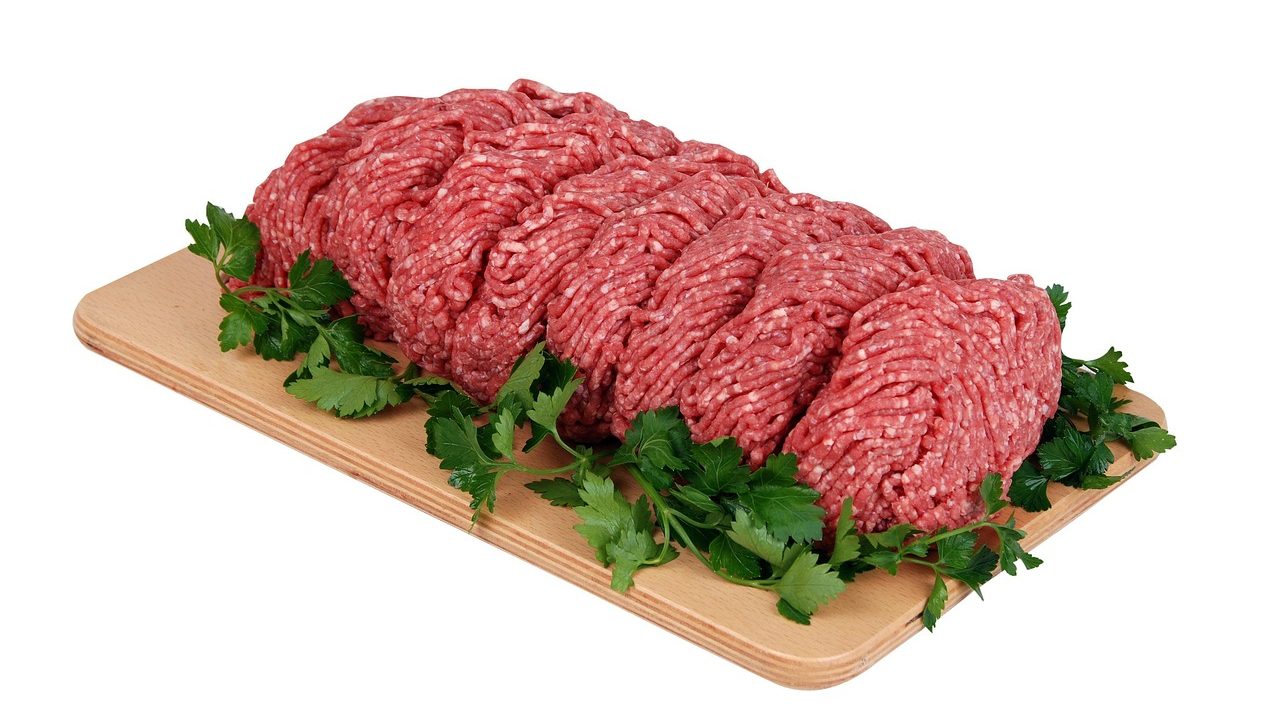
- Ground Beef: 40% to 50% of the total take-home weight (including patties, if requested).
- Roasts: 25% to 30% (chuck, rump, sirloin tip, and arm roasts).
- Steaks: 15% to 20% (ribeye, strip, tenderloin, sirloin, and flank or skirt).
- Bones and Extras: Soup bones, brisket, and short ribs, depending on how you instruct the butcher to cut them.
If your household primarily eats chicken breasts and ground turkey, and only cooks a roast once a winter, a quarter beef share will test your culinary adaptability. Conversely, if your family regularly makes chili, tacos, burgers, and weekend steaks, a bulk share matches your kitchen workflow perfectly. Before ordering, look at your family’s monthly grocery receipts to confirm you actually consume large quantities of roasts and ground meat.
Managing a large volume of diverse cuts also requires organizational foresight. When you pick up your boxes from the processor, you will be sorting through dozens of packages labeled with unfamiliar terminology. Establishing a meal rotation plan ensures that roasts don’t languish at the bottom of the freezer while steaks disappear in the first month. Many successful bulk buyers maintain a kitchen inventory sheet taped to the freezer door, checking off cuts as they pull them out for weekly meal prep.
Freezer Space Logistics and Equipment Costs
You cannot store a quarter beef share in the small freezer compartment attached to a standard kitchen refrigerator. A quarter share requires roughly 4 to 5 cubic feet of dedicated freezer space, while a half share requires at least 8 to 10 cubic feet.
This means most buyers need to invest in a dedicated chest freezer or upright freezer. A reliable 5-to-7-cubic-foot chest freezer typically costs between $200 and $300 new, while larger models cost more. Furthermore, operating a dedicated freezer adds a modest amount to your monthly electric bill—usually around $3 to $5 per month depending on local utility rates and appliance efficiency.
When factoring in equipment costs for your first bulk purchase, amortize the price of the freezer over its expected lifespan (often 10 to 15 years). If you buy bulk beef year after year, the equipment cost per pound drops into negligible territory, but it remains a real upfront capital requirement for your initial order.
Placement of the freezer is another practical consideration. Chest freezers require vertical clearance to open fully and floor space that stays within temperature-controlled environments like a basement, pantry, or insulated garage. Placing a chest freezer in an uninsulated outdoor shed during extreme summer heat can cause the compressor to work overtime, spiking your electric bill and potentially threatening food safety if the appliance struggles to maintain sub-zero temperatures. Always verify that your chosen location provides stable ambient temperatures and easy access for loading and unloading heavy cuts of meat.
How to Choose a Local Rancher and Processor
The quality of your bulk beef experience depends entirely on the partnership between the livestock producer and the local butcher. Because demand for local processing often outstrips capacity, finding available processing dates is frequently the bottleneck in buying direct.
When vetting a local rancher, ask direct questions about their practices:
- Feed and Finishing: Is the animal grass-fed and grain-finished, or 100% grass-fed throughout its life? Grain-finished beef offers more marbling and a milder flavor, while 100% grass-fed beef has a leaner profile and distinct earthy flavor notes.
- Processing Partner: Which USDA-inspected or custom-exempt processor do they use? Check the processor’s reputation for clean packaging and accurate cut sheets.
- Deposit Structure: Understand how deposits work. Most ranchers require a non-refundable deposit to hold the animal, with the balance due upon final hanging weight calculation.
Building a relationship with a local producer also opens up opportunities to learn about their animal husbandry standards, pasture rotation methods, and local forage quality. Many ranchers are transparent about their operations and welcome farm visits. When talking to processors, ask about their vacuum-sealing quality. Clear plastic wrapping or flimsy butcher paper can lead to accelerated freezer burn, whereas heavy-duty vacuum sealing preserves meat quality for well over a year.
Navigating the Butcher Cut Sheet
Once you secure your animal and processing date, the butcher will provide a cut sheet. This document dictates how your share will be packaged. Filling out this sheet requires making definitive choices about bone-in versus boneless cuts, steak thickness, roast sizes, and ground beef packaging weights.
Common decisions on a cut sheet include:
- Steak Thickness: Standard cuts are usually three-quarter inch or one inch thick. Thicker cuts reduce the total number of steaks but provide better grilling results.
- Roast Sizes: Opt for three-to-four-pound roasts unless you routinely cook for large dinner parties. Smaller roasts thaw faster on busy weeknights.
- Ground Beef Packaging: Decide whether you want one-pound or two-pound tubes or vacuum-sealed bricks, and specify your preferred lean-to-fat ratio (usually around 85/15 or 80/20).
- Organ Meats and Bones: You can typically request soup bones, marrow bones, liver, heart, and tongue at no extra charge or decline them if your family won’t use them.
Take your time with the cut sheet. An experienced rancher or butcher will gladly walk you through the options if you are unsure how to balance your preferences with the physical layout of the animal. Beginners often make the mistake of requesting boneless everything, forgetting that bones contribute rich flavor to braises and that marrow bones make exceptional homemade bone broth.
Common Pitfalls in Bulk Meat Purchasing
First-time buyers occasionally run into avoidable mistakes that diminish their savings or enjoyment. Awareness of these pitfalls ensures a smoother transition to farm-direct purchasing.
- Underestimating Storage Requirements: Cramming meat into an ill-fitting freezer or failing to leave air circulation gaps can lead to improper freezing or damaged packaging.
- Ignoring Freezer Burn Timelines: While vacuum-sealed beef keeps well for 12 to 18 months, standard butcher paper wrapping is best consumed within 6 to 9 months to maintain optimal moisture and flavor. Always label and date every package.
- Forgetting Power Outage Risks: If your region experiences frequent winter storms or summer grid instability, consider a small generator or monitor your chest freezer closely with a remote thermometer. A chest freezer holds its temperature for roughly 48 hours if left unopened during a power outage.
- Buying Without Tasting First: If possible, buy a small sampler bundle or a few retail cuts from a rancher before committing to an entire half or quarter share. Meat flavor varies based on forage, breed, and finishing methods.
Avoiding these simple missteps protects your investment and ensures that every single cut of beef tastes as fresh months down the road as it did on the day you picked it up from the butcher.
Is Bulk Farm-Direct Beef Right for Your Household?
Buying direct freezer beef savings are real, but the practice is not a universal fit for every household budget or lifestyle. If your family eats significant amounts of beef, has the kitchen freezer space, possesses the upfront cash flow to buy months of food at once, and enjoys cooking with a variety of cuts, a half or quarter share offers exceptional value and connects your table directly to regional agriculture.
Conversely, if your household relies heavily on quick-cooking convenience foods, lacks storage space, or prefers strict control over exactly which cuts land in your shopping cart every week, traditional grocery shopping—supplemented by supermarket sales and clearance markdowns—may remain the simpler path. Evaluate your storage, review your family’s actual protein consumption, and talk directly with local producers in your area to determine your best financial fit.
By weighing the initial equipment investment, understanding hanging weight versus retail yield, and carefully filling out your butcher cut sheet, you can successfully navigate the world of farm-direct beef purchasing. For many households, the reward is not just lower cost per pound, but a secure, reliable freezer stocked with high-quality protein produced by local farmers.