When summer temperatures climb, the upper floors of multi-story homes bear the brunt of the heat. Because hot air naturally rises, bedrooms on the second floor can easily run ten degrees warmer than the main living areas, turning sleeping quarters into stifling boxes. Homeowners looking for relief without running an expensive central air conditioning system all day often narrow their choices down to two popular retrofits: a whole-house attic fan or one or more window air conditioning units. Evaluating an attic fan vs window AC requires looking past simple purchase price tags to understand how each appliance manages heat, humidity, airflow, and electricity.
While both strategies aim to make upper floors livable during hot months, they operate on entirely different thermodynamic principles. One system relies on high-volume bulk air movement to flush thermal buildup out of the structure, while the other uses a refrigeration cycle to chill and dry localized indoor air. Choosing the wrong system for your regional climate or home layout can lead to high energy bills, indoor humidity spikes, or disappointing cooling performance. This comprehensive guide breaks down the engineering, installation requirements, operating costs, and practical trade-offs of both options to help you determine which cooling strategy makes sense for your home.
Understanding How Whole-House Attic Fans Work
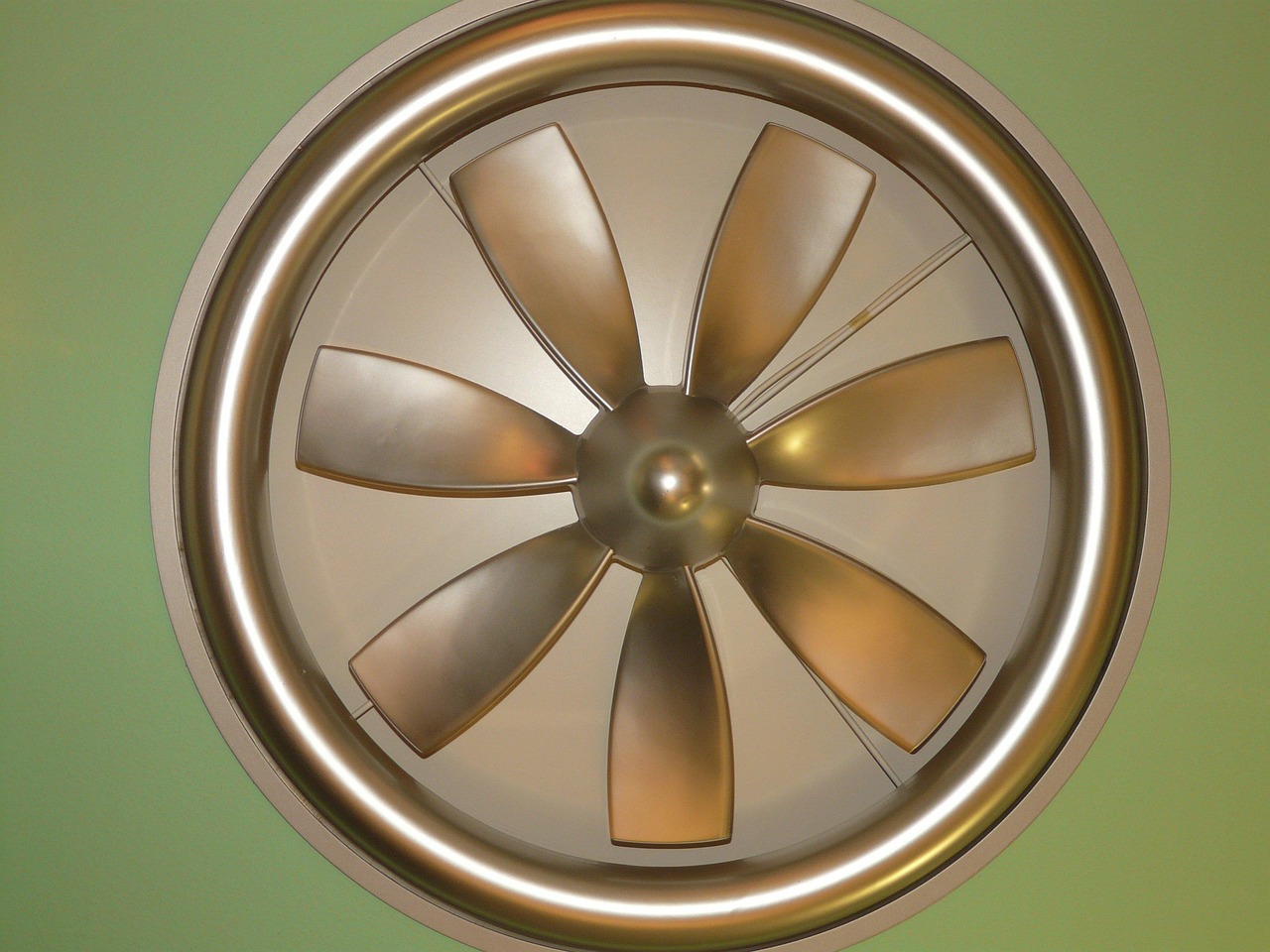
A whole-house attic fan is a large, powerful exhaust fan mounted in the ceiling of the upper hallway or attic floor. When turned on, the fan pulls air upward out of the living space and forces it out through attic exhaust vents—such as gable vents, ridge vents, or soffits—creating negative pressure inside the house. To replace this exhausted air, homeowners must open windows on the ground or upper floors, drawing fresh outdoor air inside.
The primary benefit of a whole-house attic fan is its sheer volume of air movement. Standard models can completely exchange the air inside a home every two to three minutes, generating a noticeable indoor breeze. This rapid turnover flushes out the daytime heat that has accumulated in the drywall, framing, and insulation. By cooling the structural mass of the house during the cooler evening hours, the attic fan reduces the amount of heat radiated back into living spaces the following day.
Proper sizing is critical for whole-house fans, typically calculated using cubic feet per minute (CFM) requirements based on the home’s square footage and ceiling height. Industry standards generally recommend between 2 to 3 complete air changes per minute. For a 2,000-square-foot home with standard 8-foot ceilings, that translates to roughly 16,000 cubic feet of volume, requiring a fan capable of delivering between 3,200 and 4,800 CFM. Undersized units fail to generate the necessary velocity to flush out structural heat, while oversized units create excessive pressure differentials that can strain doors, windows, and combustion appliance vents.
However, attic fans have strict operational boundaries. They only work when the outdoor temperature is lower than the indoor temperature—typically in the evening, at night, or during unseasonably mild days. Running an attic fan when it is hotter outside than inside simply pulls unwanted thermal energy into the home. Furthermore, because these fans rely entirely on outdoor air, they cannot cool a house during prolonged summer heatwaves where nighttime temperatures remain high.
Understanding How Window Air Conditioners Work
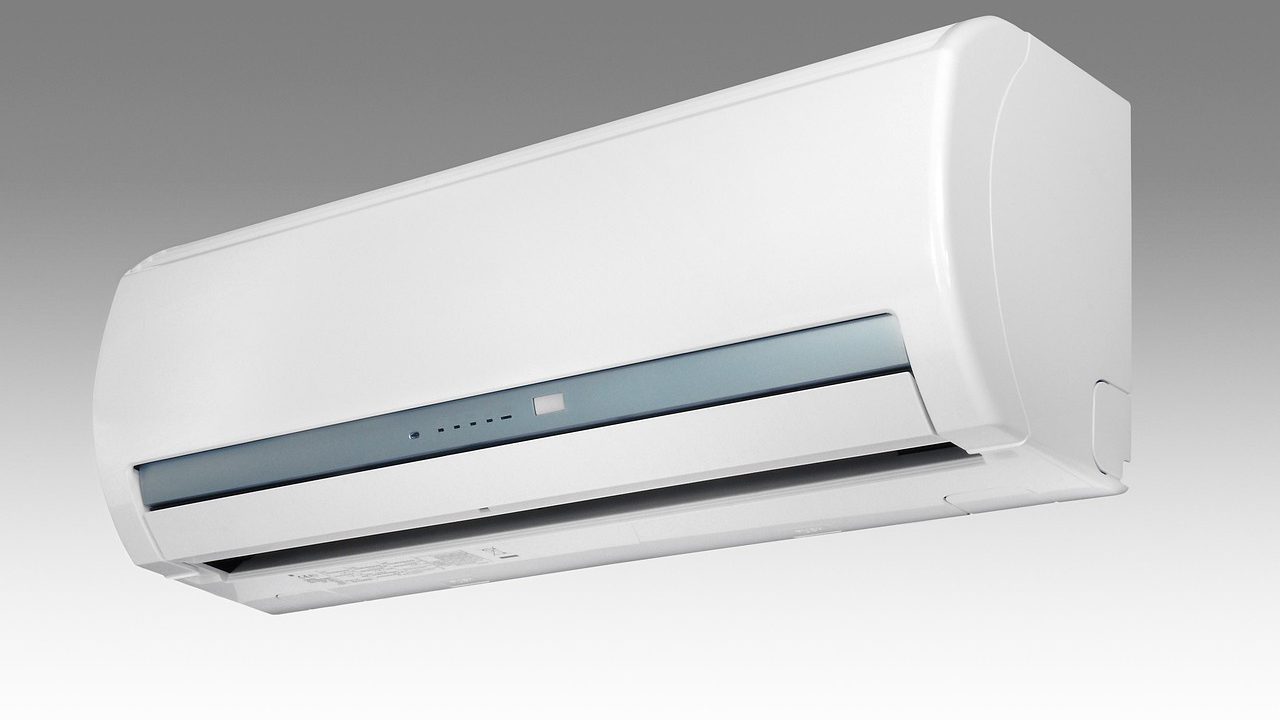
Window air conditioning units operate as self-contained refrigeration systems. Unlike a fan that merely moves existing air, a window AC extracts heat and moisture from the room air and transfers it outside. Inside the room, a blower fan pulls warm indoor air across cold evaporator coils filled with refrigerant, chilling the air before blowing it back into the space. Simultaneously, a compressor pressurizes the refrigerant, and a condenser coil on the exterior side of the unit releases the absorbed heat into the outdoor air.
A major advantage of the refrigeration cycle is moisture removal. Warm air holds more water vapor than cool air, which is why humid summers feel oppressive even at moderate temperatures. Window AC units condense airborne moisture on their cold coils, draining the water outside via a condensation tube or slinger ring. By lowering relative humidity, window units make 75°F feel significantly more comfortable than it would in a humid environment.
Sizing window units is measured in British Thermal Units (BTUs) rather than CFM. A standard bedroom typically requires a 5,000 to 6,000 BTU unit, while larger master suites or open-plan upper floors may require 8,000 to 12,000 BTUs. Modern inverter-style window units have introduced variable-speed compressors that ramp up and down smoothly rather than cycling abruptly on and off, vastly improving energy efficiency, reducing noise, and maintaining a more stable, comfortable indoor temperature.
Window units also operate independently of outdoor weather conditions. Whether it is a breezy 70°F evening or a humid, stagnant 95°F afternoon, a properly sized window unit will continue to cool and dehumidify its designated zone. This makes them reliable workhorses for bedrooms, home offices, and additions that lack adequate ductwork from a central HVAC system.
Direct Comparison: Airflow Volume and Cooling Capacity
When comparing performance, the two systems serve fundamentally different functions. An attic fan provides whole-house ventilation and thermal mass cooling, whereas a window AC provides targeted refrigeration and dehumidification for a specific room.
Airflow in ventilation is measured in cubic feet per minute (CFM). A typical whole-house attic fan moves anywhere from 3,000 to 7,000 CFM, depending on the square footage of the home. This massive volume creates a noticeable draft and quickly clears out stale, hot indoor air. A window AC unit, by contrast, moves considerably less air—usually between 150 and 350 CFM per unit. The objective of a window AC is not rapid air exchange, but continuous thermal recycling and chilling of a closed volume.
In practice, this means an attic fan excels at whole-home comfort during temperate shoulder seasons and cool summer nights. If your primary goal is to sleep comfortably on the second floor without running central air, an attic fan can pull enough cool night air through open bedroom windows to make the rooms refreshing. However, if you live in a humid southern climate where outdoor temperatures rarely drop below 75°F at night, an attic fan will bring in warm, muggy air rather than cooling relief. In those regions, a window AC is functionally mandatory.
Moreover, thermal mass management differs significantly. An attic fan cools the physical structure of the house—framing, insulation, drywall, and furniture—preventing heat storage. A window AC leaves the structural thermal mass warm if turned off, only chilling the air inside the room. Consequently, when a window AC is turned off, the room warms up rapidly as heat bleeds through the uncooled walls, whereas a house cooled thoroughly by an attic fan retains its baseline comfort much longer into the following morning.
Installation Complexity and Structural Requirements
The labor and architectural impact of installing these two systems differ dramatically.
Installing a window AC unit is generally a straightforward DIY task for a capable homeowner, though it does require physical effort and caution. Standard units weigh anywhere from 45 to 90 pounds. Proper installation requires securing the unit in the window frame, ensuring it is level or tilts slightly outward for drainage, installing side panels to block outdoor air, and supporting the weight safely with exterior mounting brackets—particularly for upper-floor windows. Mistakes in installation can lead to water damage on interior sills, window frame warping, or, in worst-case scenarios, the unit falling out of the window.
Attic fans, on the other hand, require permanent structural modifications. Installation involves cutting a large hole in the drywall ceiling, framing the rough opening, mounting the heavy fan housing to the ceiling joists, and running dedicated electrical wiring from the main service panel. Furthermore, the attic must have adequate net free ventilation area (NFVA) to exhaust the massive volume of air pushed up by the fan. If an attic lacks sufficient soffit, ridge, or gable vents, the pressure created by the fan can pull conditioned air from other living spaces or back-draft combustion appliances like gas water heaters and furnaces.
Building codes often specify a minimum of 1 square foot of net free vent area for every 300 to 750 CFM of fan capacity, depending on whether the vents are balanced with soffit intake and roof exhaust. Failing to verify these ventilation paths before installing a whole-house fan can result in pressurized attics that force humid indoor air into cold roof cavities, causing condensation and structural wood rot during winter months.
Upfront Costs and Energy Consumption
Budget considerations involve both the initial purchase price and ongoing utility impacts.
A standard window AC unit carries a modest upfront cost, ranging from $200 to $600 depending on cooling capacity (measured in BTUs) and energy efficiency ratings. Purchasing multiple units to cool several upper-floor bedrooms will increase that initial investment. Whole-house attic fans generally cost more upfront for the hardware alone—typically $400 to $1,200 for high-efficiency models—plus the cost of professional electrical and carpentry installation if you cannot perform the work yourself.
In terms of electricity consumption, attic fans are exceptionally efficient. Most modern, belt-driven or direct-drive whole-house fans consume between 200 and 500 watts of electricity—comparable to running a few standard incandescent light bulbs. Window AC units use significantly more power, generally ranging from 500 watts for small 5,000-BTU units up to 1,500 watts or more for large units cooling multiple rooms. Because compressors require substantial electrical draw to operate the refrigeration cycle, running multiple window units throughout the summer can noticeably increase monthly electricity bills.
To put this into perspective, running a 350-watt whole-house fan for four hours every evening costs a fraction of running three 1,000-watt window units for twelve hours a day during a heatwave. Over a three-month summer season, the energy savings from substituting an attic fan for standard air conditioning can offset the entire installation cost of the ventilation system. However, this calculation assumes your climate allows you to rely on the fan for a significant portion of the summer; if regional weather forces you to run window units continuously anyway, the attic fan becomes an added expense rather than a replacement.

Climate Considerations and Geographic Suitability
Your local climate is the single most important factor when deciding between an attic fan and a window AC unit.
Homeowners in dry, temperate climates—such as the Pacific Northwest, Northern California, or parts of the Mountain West—frequently benefit the most from whole-house attic fans. These regions experience hot daytime temperatures followed by rapid, cool evening temperature drops. An attic fan capitalizes on this diurnal swing, flushing the heat out of the house efficiently without ever needing to turn on an air conditioner.
Conversely, humid continental and subtropical climates—such as the American South, Midwest, and East Coast—pose challenges for attic fans. In these regions, high summer humidity means that evening outdoor air remains heavy with moisture. Pulling humid air into the house through open windows raises indoor relative humidity, making the living space feel sticky and encouraging mold growth in hidden cavities. In these climates, window AC units are necessary because they actively remove moisture from the indoor air.
Microclimates also play a role. Homes situated in urban heat islands, where concrete and asphalt retain heat well into the night, may experience elevated nighttime temperatures that diminish the effectiveness of attic fans. Similarly, homes nestled in dense tree canopies or river valleys might trap humid air, making refrigeration and dehumidification superior to natural ventilation.
Air Quality, Pollutants, and Safety Concerns
Operating either cooling strategy requires attention to indoor air quality and home safety.
When you run a whole-house attic fan, you are drawing outside air directly into your living space. During wildfire seasons, high pollen counts, or periods of poor regional air quality, an attic fan will pull particulate matter, smoke, and allergens straight into your bedrooms. Homeowners with severe allergies or asthma may find attic fan usage triggers respiratory irritation during high-pollen months.
Safety is another critical consideration related to home pressurization. Whole-house fans create negative pressure. If a home has natural-draft gas appliances—such as a water heater, furnace, or fireplace—the negative pressure from a powerful attic fan can overpower the chimney draft, pulling dangerous carbon monoxide back into the living areas. Modern building codes and safety guidelines require ensuring adequate makeup air or interlocking safety switches to prevent back-drafting.
Window AC units present different safety issues, primarily related to window security and moisture management. A partially open window with a standard AC unit is inherently less secure against intruders than a locked window. Additionally, if the condensate drain clogs, water can pool inside the unit and overflow onto interior walls and flooring, leading to rot and mildew. Electrical safety is also paramount; window units draw heavy current and should always be plugged directly into a properly grounded, dedicated wall outlet rather than an extension cord, which can overheat and cause electrical fires.
Maintenance Realities Over Time
Both systems require routine upkeep to maintain efficiency and extend operational lifespans.
Window AC units demand end-of-season removal and storage in colder climates, or at least thorough winterization. Filters must be washed or replaced every few weeks during heavy summer use to maintain airflow and prevent evaporator coils from freezing over. The exterior coils also require periodic cleaning with coil cleaner and a gentle water spray to remove dust, leaves, and cottonwood seeds. Neglecting these maintenance tasks reduces cooling capacity and drives up electricity usage as the compressor works harder to move heat.
Attic fans involve less frequent maintenance, but the tasks are more physically demanding. Homeowners must inspect the unit annually, lubricate motor bearings if required by the manufacturer, check belt tension on belt-driven models, and clean dust accumulation off the fan blades. Because the fan is located in the attic—an area that gets extremely hot during the day—maintenance is best performed during cool morning hours. Additionally, homeowners should inspect attic exhaust louvers or shutters to ensure they open and close smoothly without jamming or allowing pests to enter.
Making Your Decision: A Practical Framework
To choose the right approach for your home, evaluate your specific constraints using this straightforward decision framework:
- Check your climate: If your summer nights cool down into the comfortable 60s, an attic fan offers cheap, effective relief. If your nights remain hot and humid, stick with window AC units.
- Assess your health needs: If household members suffer from severe seasonal allergies or live in wildfire-prone areas, avoid whole-house ventilation systems that draw untreated outdoor air inside.
- Review your electrical and structural setup: Ensure your attic has adequate exhaust venting and that your electrical panel can support a dedicated circuit if required for a whole-house fan installation.
- Consider zoning: If you only need to cool a single home office or a master bedroom upstairs, a window AC unit is far more practical than modifying your entire ceiling structure for a whole-house fan.
By weighing these operational realities against your regional weather patterns, you can select the upper-floor cooling strategy that keeps your home comfortable without driving up your energy bills.
Frequently Asked Questions About Upper-Floor Cooling
Homeowners exploring these cooling retrofits frequently have additional practical questions regarding installation, daily operation, and energy savings. Here are answers to common considerations:
Can I use both an attic fan and window air conditioners together?
Yes, but not simultaneously in a way that fights each other. Many homeowners use a whole-house attic fan in the evening to flush out daytime heat and cool the home’s structure. Once the house is comfortable, the fan is turned off, windows are closed, and bedroom window AC units are turned on to maintain comfortable sleeping conditions through the night. Running them at the same time is counterproductive, as the attic fan would pull the cooled, dehumidified air right out of the room and exhaust it into the attic.
Do attic fans help lower winter heating bills?
No, whole-house attic fans are designed strictly for summer ventilation. In the winter, the louvers connecting the living space to the attic must be tightly sealed and insulated with an attic fan cover to prevent heated indoor air from escaping into the cold attic space, which would cause massive heat loss and ice dam formation on the roof.
Are whole-house attic fans loud when running?
Older attic fan models were notoriously noisy, often sounding like a small airplane engine inside the hallway. Modern whole-house fans, particularly direct-drive models with insulated housings and multi-speed settings, operate much more quietly. Many can be run on low speed overnight without disturbing sleep, though higher speeds will always generate noticeable rushing air noise.
By thoroughly analyzing your local climate, daily temperature swings, and structural layout, you can invest in the cooling strategy that delivers reliable comfort and manageable energy bills all summer long.