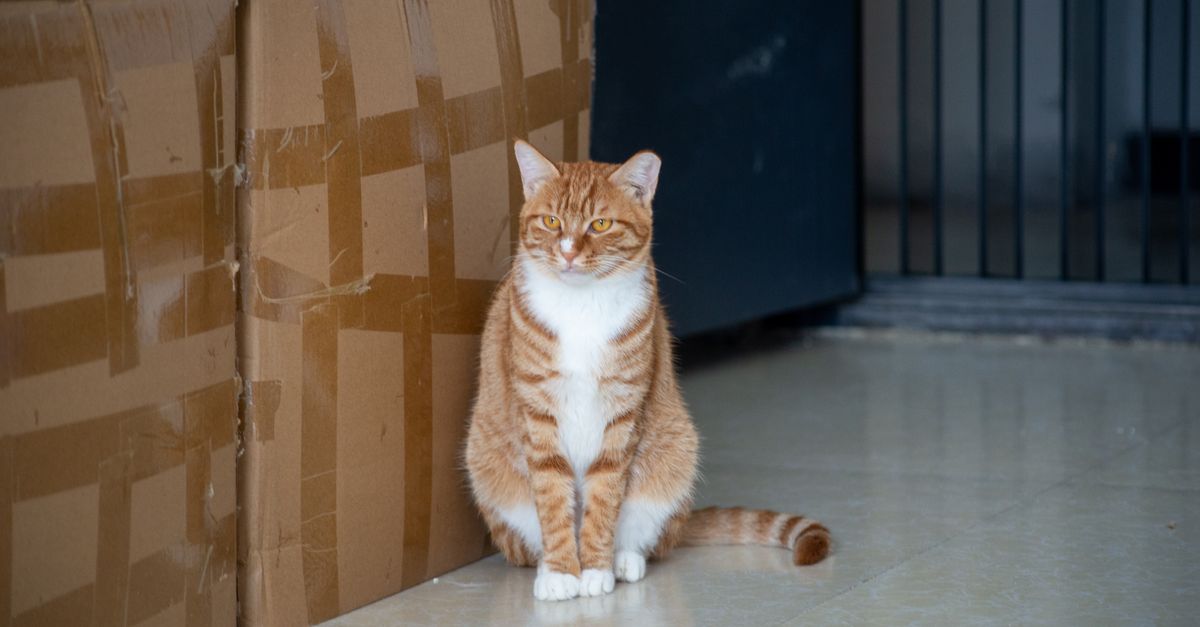
When your cat stops using the designated bathroom area, it triggers immediate household frustration. However, sudden elimination changes are rarely acts of spite. Instead, they serve as vital distress signals. A reliable cat litter box aversion guide must start from a place of empathy and systematic troubleshooting, helping you decode what your cat is trying to tell you through their behavior.
Successfully resolving elimination issues requires separating medical emergencies from behavioral habits. Whether you are dealing with a cat refusing to use the litter box entirely or a pet that urinates just outside the plastic rim, understanding the underlying motivations makes all the difference. Cats are creatures of comfort, predictability, and routine. When something disrupts their delicate balance, their bathroom habits are often the first indicator that distress has set in.
The Critical First Step: Veterinary Screening
Before modifying your home environment or changing litter brands, you must schedule a comprehensive veterinary exam. Many behavioral avoidance issues actually stem from physical pain or illness. When a cat associates the pain of urination with the physical box, they will quickly seek out softer, safer-feeling surfaces like rugs, laundry piles, or beds in an instinctive bid to escape discomfort.
Common medical culprits behind inappropriate elimination include feline lower urinary tract disease (FLUTD), urinary tract infections (UTIs), bladder stones, cystitis, and kidney disease. Painful joints can make climbing into high-sided plastic tubs excruciating, leading to accidental avoidance. Your veterinarian will typically perform a physical examination, urinalysis, and potentially bloodwork or imaging to check for systemic problems. Treating the underlying medical condition often resolves the elimination issue without requiring any household behavioral changes.
Furthermore, conditions like diabetes or hyperthyroidism can cause increased thirst and subsequent polyuria, meaning your cat produces significantly larger volumes of urine. If the box fills up faster than usual, your cat may reject it simply because there is no clean, dry patch left to step on. Always rule out medical variables first before assuming a purely psychological cause.
Common Diagnostic Steps at the Clinic
When you visit your veterinarian, expect a methodical diagnostic approach. A simple visual inspection is never enough to rule out internal issues. The veterinarian will likely collect a sterile urine sample via cystocentesis (collecting urine directly from the bladder using a fine needle) to check for bacteria, crystal formation, microscopic blood, and the urine’s specific gravity. If crystals or bacteria are present, targeted antibiotic therapy or prescription veterinary diets are usually prescribed.
For senior cats, routine blood panels are essential. Conditions like chronic kidney disease develop gradually, and increased urination is frequently the earliest visible sign. Catching these systemic imbalances early not only resolves the elimination issue but can also add years to your cat’s life. Never delay veterinary intervention when a house-soiling problem starts abruptly.
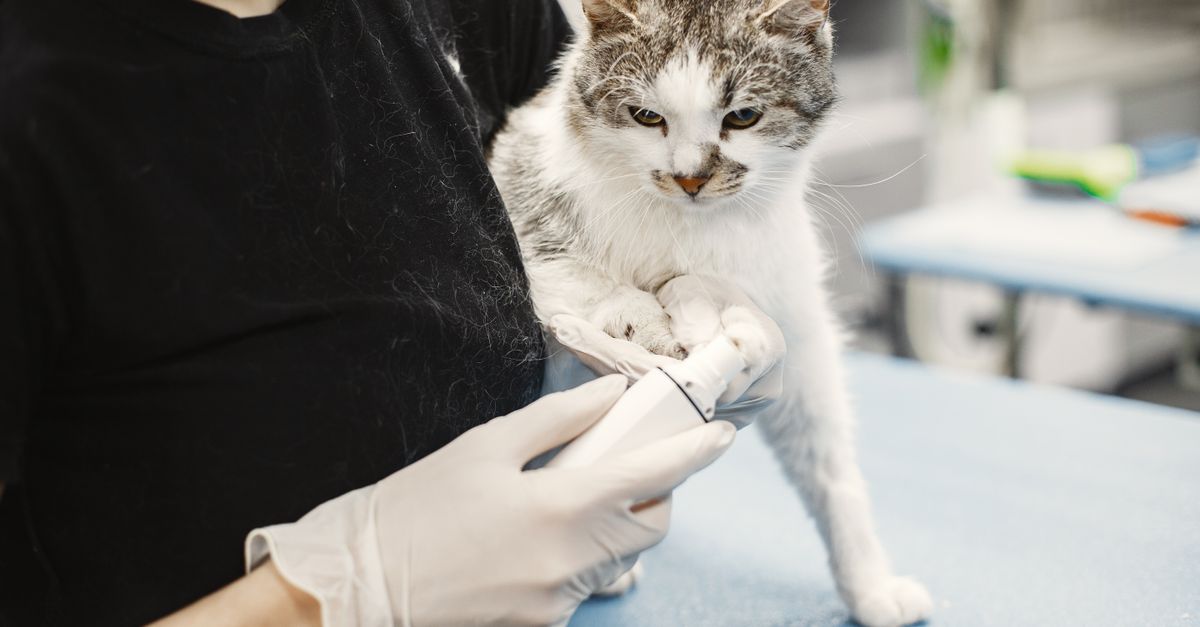
Once your veterinarian gives your cat a clean bill of health, you can confidently transition to investigating environmental, spatial, and psychological triggers. Behavioral elimination problems generally fall into three categories: box aversion, substrate aversion, or location aversion, each requiring targeted adjustments.
Evaluating Litter Box Size and Design
Many commercial litter boxes sold in pet stores are simply too small for adult cats. Manufacturers often design compact boxes to appeal to human aesthetic preferences rather than feline anatomical needs. As a general rule of thumb, a litter box should be at least one and a half times the length of your cat from nose to base of tail, excluding the tail.
If your cat’s whiskers brush against the hood or walls, or if they struggle to turn around comfortably, they may feel trapped and vulnerable to potential ambush. Covered boxes trap ammonia odors and dust at nose level, which can easily drive sensitive cats away. Opt for large, open, uncovered stainless steel or heavy-duty plastic pans that provide plenty of room for maneuvering, digging, and squatting comfortably.
Consider transitioning to unconventional large pans if your cat is extra-large or a senior. Large concrete mixing tubs purchased from hardware stores or stainless steel hotel pans make phenomenal, hygienic, easy-to-clean alternatives to traditional pet store options. They offer superior space and do not absorb odors over time the way scratched plastic does.
Why Covered Boxes Often Backfire
While human owners often love covered litter boxes because they hide waste and contain litter scatter, cats frequently despise them. In nature, elimination is a vulnerable time. Wild felines need a 360-degree view of their surroundings to watch for predators. A hooded box acts like a cave with only one exit, meaning a cat trapped inside cannot see if another pet or a human is approaching.
Additionally, covered boxes trap noxious ammonia fumes directly above the litter. Because a cat’s sense of smell is vastly superior to ours, squatting inside a hooded box exposes them to an overwhelming concentration of odor and dust every time they breathe. Removing the lids from covered boxes is one of the fastest, easiest ways to resolve mild litter box aversion.
The Math of Box Placement and Quantity
Location is everything in real estate, and the same holds true for feline sanitation. Placing boxes in dark, distant, or noisy utility rooms often backfires. If a cat has to navigate a creaking basement staircase, dodge a loud washing machine, or squeeze past a family dog to reach the bathroom, they may choose a more secure location upstairs.
Follow the golden rule of multi-cat households: provide one litter box per cat, plus one extra. If you have two cats, you need a minimum of three boxes distributed across different rooms and levels of your home. Furthermore, these boxes must be placed in distinct locations, not lined up side-by-side in the same hallway. Side-by-side boxes are perceived by cats as a single large territory, offering no functional backup if another pet blocks access.
Avoid placing litter boxes in high-traffic hallways where people frequently walk by, or near loud appliances like refrigerators, washing machines, and furnaces. The sudden noise of a cycle starting can startle a vulnerable cat mid-elimination, creating a lasting negative association with that specific area.
Strategic Distribution in Multi-Story Homes
If you live in a multi-level home, scattering boxes across every floor is non-negotiable, especially for aging cats or kittens. A cat resting on the second floor should never have to race down a flight of stairs and cross a bustling kitchen just to reach a bathroom. If the journey feels too perilous or exhausting, the cat will find an alternative spot on the upper level.
Furthermore, ensure that boxes are distributed across different living zones rather than clustered in a single service area. If all your boxes are in the basement, a timid cat may feel trapped or ambushed just trying to reach them. Spreading resources provides genuine security and eliminates the territorial bottlenecks that cause avoidance behavior.
Substrate Preferences and Litter Textures
Cats are notoriously finicky about what feels good under their paws. In the wild, ancestral felines prefer soft, sandy soil for digging and burying waste. Modern commercial litters range from fine clay and clumping crystals to recycled paper pellets, wheat, corn, and wood shavings.
If you recently switched litter brands and noticed a sudden drop in box usage, your cat is signaling a clear substrate aversion. Introduce new textures gradually by mixing the old litter with the new over the course of two weeks. Most cats prefer unscented, fine-grained clumping litters that mimic natural earth. Avoid heavily scented products, as a cat’s sensitive olfactory system can find artificial floral fragrances overwhelming.
If your cat is currently eliminating on soft surfaces like bathmats or blankets, they may prefer a softer substrate than coarse pellets. Conversely, if they eliminate on hard tile floors, they might prefer a firmer surface. Providing a variety of test boxes with different substrates in low-stakes areas can help you quickly identify your individual cat’s tactile preference.
The Two-Box Texture Test
When you are unsure what litter texture your cat prefers, conduct a simple experiment using side-by-side test pans. Set out two identical, clean, open boxes in a neutral location. Fill one box with a traditional fine-grained unscented clay litter, and fill the second box with an alternative substrate like paper pellets, walnut shell, or grass seed litter.
Monitor which box your cat uses more frequently over the course of a week. Cats vote with their paws; whichever box accumulates more deposits reveals their clear tactile preference. Once you discover their favorite texture, convert all your household boxes to that specific substrate gradually.
Hygiene and Maintenance Standards
Cleanliness standards inside the litter box matter immensely to a creature with an extraordinary sense of smell. Scoop solid waste and clumps at least twice a day. Depending on the number of cats and the type of litter used, empty the entire box, scrub it with mild, unscented soap, and refill it with fresh litter every two to four weeks.
Avoid harsh chemical disinfectants like bleach or ammonia-based cleaners when washing boxes. Residual chemical smells can linger on the plastic surface and deter your cat from stepping inside. Rinsing thoroughly with warm water and letting the box dry completely is the safest approach.
Plastic boxes accumulate microscopic scratches over time where bacteria and odor molecules hide, making regular total replacement necessary every year or two. Transitioning to stainless steel pans eliminates this issue entirely, as non-porous metal surfaces do not harbor persistent odors or scratch easily from digging claws.
Establishing a Maintenance Routine
Consistency is key to maintaining high hygiene standards. Set a daily calendar reminder to scoop all boxes morning and evening. In multi-cat households, waste accumulates rapidly, and cats will often refuse to step into a box that already contains multiple deposits from earlier in the day.
When deep-cleaning plastic boxes, remember that abrasive scrubbing pads create deeper grooves in the plastic, accelerating bacterial buildup. Switch to soft sponges and mild dish soap. If your plastic pans are older than eighteen months and retain a faint odor even after washing, it is time to recycle them and invest in new pans.
Addressing Territorial Stress and Multi-Cat Dynamics
In multi-cat homes, elimination problems are frequently tied to social tension and bullying. A dominant cat may guard the hallway or staircase leading to the litter box, effectively blocking a more timid cat from accessing relief. This passive-aggressive resource guarding often manifests as elimination just outside the box or in prominent shared living spaces.
To combat territorial stress, ensure every cat has multiple escape routes and access points. Never place boxes in dead-end corners where a cat could be cornered by another pet or a playful dog. If bullying persists, vertical territory like cat trees and shelving can help diffuse tension by allowing cats to bypass ground-level blockades.
If you observe staring, blocking, or ambushing behavior near the litter room, you must reconfigure your layout immediately. Add extra boxes in open areas where a cornered cat can always see approaching pets and choose an alternate escape path.
Recognizing Subtle Feline Bullying
Feline aggression is not always physical or loud; it can be remarkably subtle. A dominant cat does not need to hiss or swat to control a resource. Simply parking themselves within ten feet of the litter room, staring intently, or slowly blocking a doorway is enough to intimidate a sensitive housemate.
Watch your cats’ body language around transition areas. If your timid cat hesitates, crouches low, or creeps past another cat on the way to the bathroom, you have a territorial roadblock. Breaking these visual barriers by placing additional boxes in alternate rooms ensures every cat can access sanitation facilities without confrontation.
Cleaning Previous Accident Sites Thoroughly
When an accident happens, standard household cleaners and laundry detergents are rarely enough to eliminate the scent. Cat urine contains uric acid crystals that bond to surfaces and reactivate whenever humidity rises. If your cat can still detect even a faint trace of their previous urine mark, they will view that spot as an approved secondary bathroom.
Always use an enzymatic cleaner specifically formulated for pet urine. These specialized formulas break down the uric acid crystals at a molecular level rather than merely masking the odor with artificial fragrances. For carpets and soft furnishings, soak the affected area thoroughly so the enzymatic solution penetrates the carpet padding underneath.
While the enzymatic solution works, cover the area with an inverted plastic bin or aluminum foil, as cats dislike the texture under their paws. Never use steam cleaners on urine stains prior to enzymatic treatment, as the heat can permanently set the protein bonds into the fabric fibers.
How Enzymatic Cleaners Work
Ordinary household soaps contain surfactants that clean dirt and grease, but they leave uric acid crystals completely intact. When a room gets warm or humid, those leftover crystals release volatile organic compounds that signal to a cat’s sensitive nose: “This is a bathroom.”
Enzymatic cleaners contain specialized bacterial cultures and enzymes that actively digest the organic proteins and uric acid salts. You must allow the solution to sit undisturbed according to the manufacturer’s instructions, often letting it air-dry naturally so the biological action can complete its cycle down to the subfloor level.
Retraining and Positive Reinforcement
Once you have identified and corrected the underlying triggers—whether medical, spatial, or textural—help your cat rebuild positive associations with the litter box. Gently place your cat in the box after meals or naps to encourage natural scratching and elimination instincts.
Never punish, yell at, or physically discipline a cat for inappropriate elimination. Punishment only teaches your cat to fear you and increases overall anxiety, which paradoxically leads to more hiding and avoidance. Patience, consistency, and a systematic approach will help your cat regain confidence and return to consistent, reliable litter box habits.
Reward successful box usage with gentle praise, affection, or a small treat immediately after they exit. By transforming the litter box experience into a stress-free, rewarding routine, you establish long-term behavioral stability and secure a harmonious home environment for both you and your feline companion.
Frequently Asked Questions
Why is my cat suddenly peeing on my bed?
Bed urinating is a common sign of either a urinary tract infection or severe separation anxiety/territorial stress. Cats associate beds with the scent of their beloved human, making it a comforting place to seek relief when experiencing physical or emotional distress. Rule out medical causes immediately with your vet.
How many litter boxes do I really need?
The veterinary standard is one box per cat, plus one additional box. If you have two cats, you need a minimum of three boxes placed in separate, easily accessible locations across your home.
Should I use scented litter to control household odors?
No. Artificial fragrances and floral deodorizers are often overwhelming to a cat’s sensitive olfactory system. Always choose high-quality, unscented, fine-grained clumping litters to encourage consistent box usage.