Living with a cat diagnosed with long-term pancreatic inflammation requires consistent vigilance, careful dietary control, and proactive therapeutic intervention. Implementing a structured approach to feline chronic pancreatitis home care diet management US pet owners rely on can help keep affected cats comfortable, maintain their body weight, and dramatically reduce the frequency of painful inflammatory spikes. Unlike acute pancreatitis—which often presents as a sudden, severe medical emergency requiring immediate hospitalization and aggressive intravenous fluid support—chronic pancreatitis involves persistent, low-grade tissue inflammation and progressive damage that waxes and wanes over months or years.
Because feline pancreatic disease frequently coexists with other systemic conditions like inflammatory bowel disease (IBD) and cholangiohepatitis (together referred to as feline triaditis), home management must address pain control, adequate hydration, stress reduction, and tailored nutrition simultaneously. Working closely with your primary care veterinarian or a board-certified veterinary internist will help you establish a clear daily regimen that balances medical support with your cat’s everyday quality of life.
Understanding Feline Chronic Pancreatitis and Long-Term Health
The pancreas is a dual-function organ essential for basic systemic survival, situated comfortably along the duodenum (upper small intestine) in the abdominal cavity. It performs exocrine functions by producing digestive enzymes like lipase, amylase, and proteases, while its endocrine function produces crucial hormones such as insulin and glucagon. When chronic pancreatitis sets in, ongoing low-level inflammation progressively destroys normal pancreatic tissue, replacing functional cells with dense scar tissue (fibrosis).
Over time, this continuous destruction can compromise both digestive capacity and blood sugar regulation. Loss of exocrine tissue can lead to Exocrine Pancreatic Insufficiency (EPI), where the cat can no longer properly digest nutrients, while loss of endocrine tissue can lead to secondary diabetes mellitus. Unlike dogs, where acute dietary indiscretion—such as raiding a grease-filled trash can—is a classic trigger for acute pancreatitis, the exact underlying cause in cats often remains idiopathically linked to immune-mediated inflammatory processes or ascending bacterial infections from the gastrointestinal tract.
Feline pancreatitis is famously elusive and subtle in its early stages. Classic canine symptoms like violent vomiting and dramatic abdominal tenderness are often completely absent in cats. Instead, subtle changes in sleeping posture, a slight drop in daily grooming habits, or minor appetite fluctuations are frequently the only early indicators that low-grade pancreatic inflammation is smoldering under the surface.
Establishing an Effective Daily Pain Scoring System
Effective feline chronic pancreatitis home care diet management US protocols depend heavily on reliable pain assessment. Pain control is the absolute cornerstone of effective home care, yet recognizing pain in felines is notoriously difficult due to their instinctual masking behaviors. As solitary predators and small prey animals, cats evolved to conceal physical vulnerability. Relying solely on obvious signs of suffering like crying, vocalizing, or overt limping will cause you to miss weeks or months of low-to-moderate visceral abdominal pain.
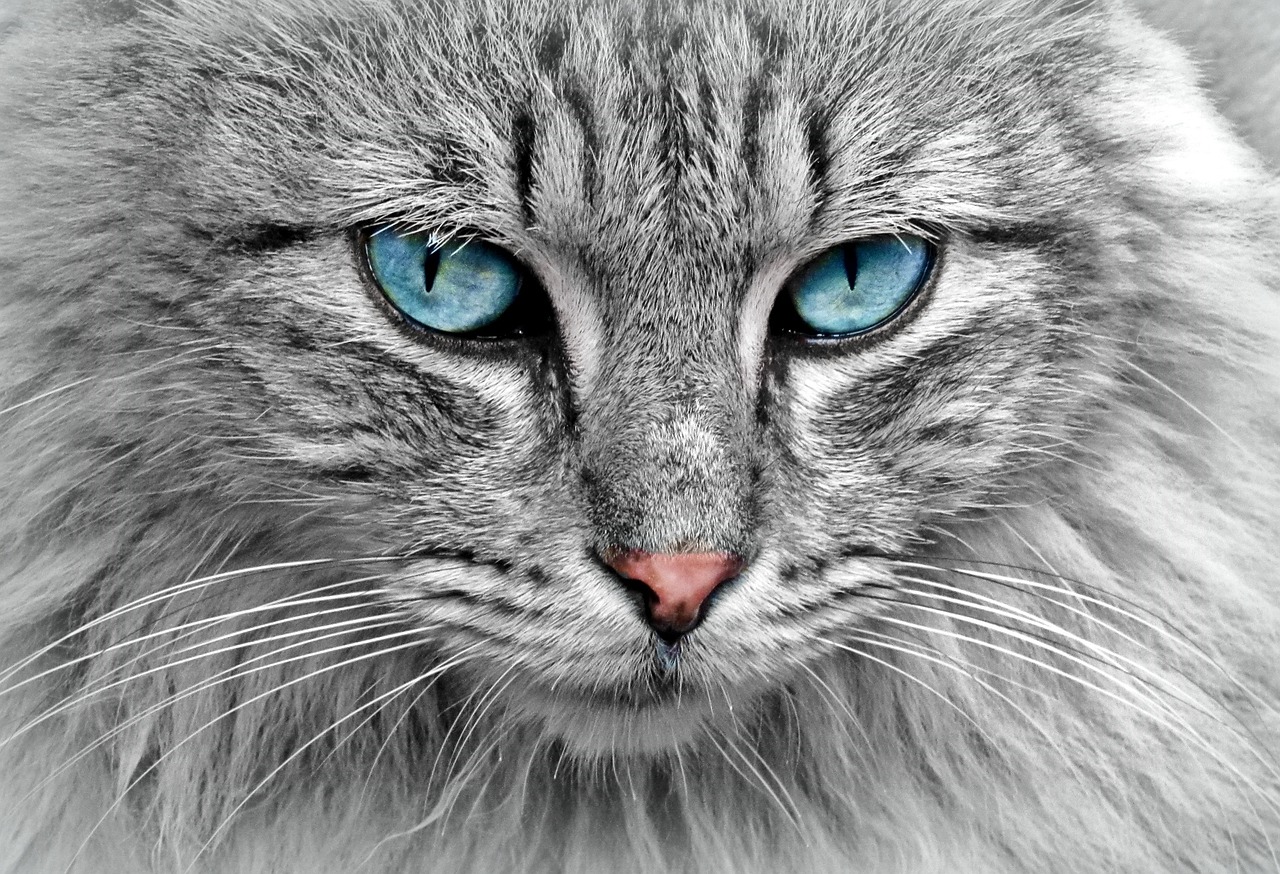
Adopting a standardized visual clinical tool, such as the Feline Grimace Scale (FGS), allows pet owners to evaluate their cat objectively twice daily. When assessing your cat, sit quietly nearby without disturbing them and evaluate five key facial action units: ear position, eye squinting, muzzle tension, whisker orientation, and head position relative to the spine.
- Ear Position: A relaxed cat holds ears forward and upright. A cat experiencing pancreatic pain will pull ears slightly back, flatten them outward (airplane ears), or rotate them away from normal posture.
- Eye Squinting: A comfortable cat has round, bright eyes. Discomfort causes eyelid tightening (blepharospasm), resulting in a narrow, almond-shaped gaze or half-closed eyelids.
- Muzzle Tension: Pain causes muscle contraction across the face, tightening the upper lip and muzzle area into an elongated or slightly flattened profile.
- Whisker Orientation: Relaxed whiskers hang loosely outward in a gentle arc. Pain causes whiskers to curve straight back tightly against the cheeks or bunch together, moving forward away from the face.
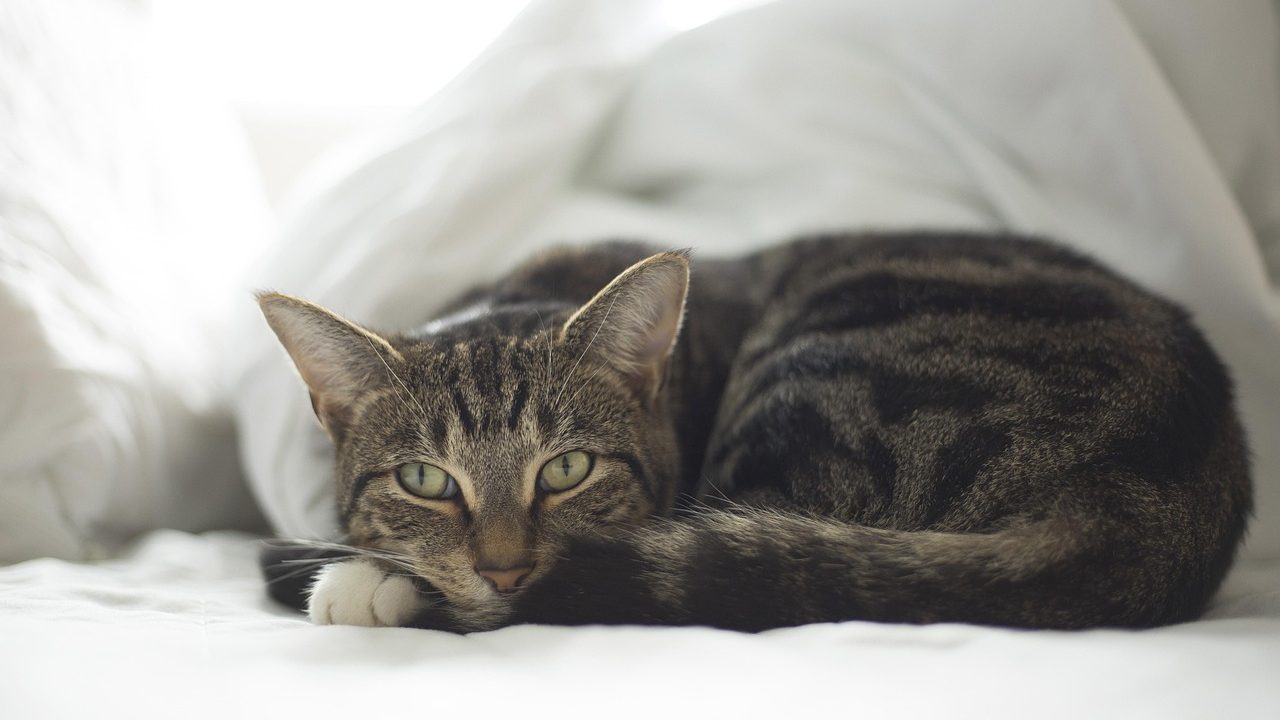
- Postural Guarding: Beyond the face, painful cats adopt a “hunched loaf” position—resting on all four paws with the chest pulled inward, head tucked down towards the chest, and body weight shifted off the sensitive upper abdomen. Some cats will rest their forehead directly against the floor or wall (head pressing).
| Facial / Body Feature | Score 0: Relaxed & Comfortable | Score 1: Moderate Pain Signs | Score 2: Severe Pain Signs |
|---|---|---|---|
| Ears | Facing forward, relaxed upright | Slightly pulled back or rotated laterally | Flattened outward (“airplane ears”) or pinned down |
| Eyes | Fully open, round, bright | Partially squinted, slightly narrow slit | Tightly closed or severe blepharospasm |
| Muzzle | Relaxed, round shape | Mild tension, slightly flattened | Tense, pulled tight into an elongated shape |
| Whiskers | Loose, curved naturally outward | Slightly stiff, pulled back or straight | Clumped together, forced forward or tight against face |
| Head / Body Posture | Head held high above shoulders | Head level with spine; slight hunched posture | Head tucked lower than spine; rigid “hunched loaf” |
Maintain a dedicated daily paper logbook or digital notes app recording these visual markers alongside exact food intake, water consumption, and stool output. If your cat’s cumulative grimace score rises above baseline, or if you notice consistent abdominal guarding when lifted, contact your veterinarian promptly to adjust prescribed analgesic dosages—such as buprenorphine or gabapentin—before severe pain leads to systemic crisis and complete food aversion.
Navigating Low-Fat Diet Transitions for Cats with Pancreatitis
Diet selection for cats with chronic pancreatitis requires a nuanced understanding of feline physiology. In canine medicine, strict ultra-low-fat diets are mandatory to prevent pancreatic enzyme overstimulation. In feline medicine, however, the dietary management framework is broader and less restrictive, though controlled fat intake remains central for many cats—especially those with concurrent hyperlipidemia, hepatic lipidosis, or small intestinal disease.
Felines are obligate carnivores requiring high dietary protein and moderate fat to meet their metabolic needs and maintain lean muscle mass. Unlike dogs, feline pancreatic lipase secretion is less dramatically triggered by dietary fat alone. However, high-fat foods can delay gastric emptying and aggravate underlying intestinal inflammation. The target of proper feline chronic pancreatitis home care diet management US regimens is providing ultra-digestible, moderate-to-low-fat nutrients that minimize digestive workload while delivering optimal palatability.
| Diet Category | Typical Fat Level (DM) | Primary Clinical Indication | Key Feeding Considerations |
|---|---|---|---|
| Prescription Gastrointestinal Low-Fat | 8% – 12% | Cats with hyperlipidemia, lymphangiectasia, or distinct fat intolerance | Highly digestible; monitor weight weekly to prevent caloric deficits. |
| Prescription Novel/Hydrolyzed Protein | 12% – 16% | Cats with suspected concurrent Inflammatory Bowel Disease (IBD) or food allergies | Reduces intestinal immune reaction; essential for triaditis management. |
| Prescription Moderate-Fat GI Diets | 13% – 17% | Primary chronic pancreatitis without underlying fat-intolerance syndromes | Offers superior palatability; supports muscle retention in senior cats. |
When transitioning your cat to a veterinary-selected therapeutic diet, proceed slowly over a 10-to-14-day window. Rapid food switches frequently cause acute stomach upset, diarrhea, and secondary pancreatic inflammatory flares that can easily be mistaken for disease progression.
- Days 1–3: Serve 75% original diet blended with 25% new prescription diet.
- Days 4–7: Mix equal portions (50% original diet, 50% new prescription diet).
- Days 8–10: Provide 25% original diet combined with 75% new prescription diet.
- Days 11–14: Complete the transition to 100% new prescription food, provided stool consistency, vomiting frequency, and appetite remain completely stable.

Optimizing Food Temperature, Texture, and Portion Control
Cats experiencing pancreatic irritation are extraordinarily sensitive to food scent, temperature, and physical texture. Serving cold wet food straight from the refrigerator can trigger painful esophageal or gastric smooth muscle spasms, while food left standing in open air for hours loses its aroma and can become unappealing, leading to meal rejection.
To support optimal daily caloric intake without overburdening an inflamed digestive system, adopt these practical feeding strategies:
Offer Small, Frequent Meals: Rather than feeding one or two large meals daily, divide your cat’s total calculated daily food allowance into four to six micro-meals spaced evenly throughout the day and evening. Small food volumes prevent over-distension of the stomach, reduce gastric acid surges, and decrease the peak secretion of pancreatic enzymes during active digestion.
Manage Meal Temperature and Texture: Warm canned wet food slightly—for roughly 5 to 8 seconds in a microwave—until it reaches approximate body temperature (around 100°F). Stir the food thoroughly to eliminate hot spots before serving. Warming volatilizes essential fatty acids and enhances natural food aromas, stimulating the olfactory senses to induce appetite naturally. If your cat prefers liquid textures, mix warm water or low-sodium bone broth (free of onions or garlic) into the canned food to create a smooth, easy-to-lap slurry.
Strict Treat Discipline: Avoid high-fat commercial cat treats, table scraps, butter, cheese, and fatty meats entirely. Even a single bite of high-fat human food can provoke an acute, severe inflammatory spike in a cat with underlying chronic pancreatitis. If you need rewards for training or post-medication praise, set aside a small portion of their daily canned prescription diet or use single-ingredient freeze-dried meat treats (such as chicken breast or cod) explicitly approved by your veterinarian.
Administering Anti-Nausea Medications and Appetite Stimulants
Nausea in cats with pancreatitis is driven by circulating inflammatory cytokines affecting the chemoreceptor trigger zone in the brain, combined with delayed gastric emptying and localized visceral pain. Unlike dogs or humans, cats rarely vomit as their primary presentation of nausea; instead, feline nausea typically manifests as subtle, easy-to-miss behavioral cues:
- Lip licking or exaggerated swallowing when near food.
- Excessive salivation or drooling (ptyalism).
- Sitting intently over the water bowl or food dish for long periods without drinking or eating.
- Approaching food enthusiastically, sniffing the bowl, and suddenly walking away or shaking paws.
Left unmanaged, persistent nausea leads directly to anorexia. In cats—particularly overweight or senior individuals—complete anorexia lasting more than 48 hours dramatically increases the risk of hepatic lipidosis (fatty liver disease), a potentially fatal liver disorder where mobilized body fat overburdens hepatocytes. Comprehensive feline chronic pancreatitis home care diet management US protocols must prioritize proactive anti-nausea therapy.
Prescription antiemetics like maropitant citrate and ondansetron play a vital role in keeping chronic pancreatitis stable at home. Maropitant acts on neurokinin-1 (NK1) receptors in the central nervous system to block substance P, effectively dulling visceral abdominal pain while suppressing central nausea. Ondansetron works via peripheral serotonin (5-HT3) receptor antagonism, addressing direct gastrointestinal irritation.
Follow these standard clinical guidelines when managing anti-nausea therapy at home:
- Preemptive Dosing: Administer anti-nausea medication roughly 30 to 45 minutes before attempting to offer a meal if your cat shows subtle signs of nausea. Forcing a nauseous cat to smell food creates rapid, permanent learned food aversion to that specific diet.
- Appetite Stimulants: If your cat remains reluctant to eat after nausea is fully controlled, your veterinarian may prescribe mirtazapine (available as an oral tablet or a convenient transdermal gel applied to the inner ear pinna). Always resolve underlying nausea and pain before applying an appetite stimulant; inducing hunger in a cat that still feels nauseous causes severe psychological distress and intensifies food repulsion.
- Pill Administration Safety: Never force dry pills down a cat’s throat without following up with 2 to 3 milliliters of water via an oral syringe, or using a soft, vet-approved pill pouch. Dry pills—particularly certain antibiotics or antiemetics—can lodge in the feline esophagus, causing local tissue inflammation, esophagitis, or permanent stricture formation.
Subcutaneous Fluid Therapy at Home During Flares
Dehydration is a dangerous catalyst during pancreatitis flare-ups. Microvascular perfusion to the pancreas drops significantly when a cat becomes dehydrated, accelerating tissue ischemia, localized cellular necrosis, and systemic inflammatory complications. During mild-to-moderate inflammatory flare-ups, your veterinarian may train you to administer subcutaneous (SQ) fluids at home. Supplemental fluids maintain organ perfusion, support renal function, and help flush circulating inflammatory metabolites from the bloodstream.
Administering SQ fluids requires proper equipment, strict hygienic technique, and a calm home environment. Always use balanced, sterile electrolyte solutions prescribed by your veterinarian (such as Lactated Ringer’s Solution or Normosol-R) and brand-new, sterile needles (typically 18 to 20 gauge to allow adequate flow rate) for every single session.
| Step / Action | Clinical Best Practice | Common Error to Avoid |
|---|---|---|
| Fluid Preparation | Warm the fluid bag in a basin of warm water to body temp (~100°F). Test on wrist. | Never microwave fluid bags; it creates dangerous, scalding hot spots. |
| Site Selection | Tent skin loosely over the shoulder blades or dorsal flank area. Rotate sites daily. | Inserting needle directly along the midline directly over the spine. |
| Needle Insertion | Insert needle bevel-up at a 30-to-45 degree angle into the base of skin tent. | Puncturing straight through both sides of the skin tent, spraying fluid. |
| Fluid Delivery | Allow fluids to flow freely by gravity; deliver prescribed volume (usually 50–100 mL). | Squeezing the bag forcefully or rushing fluid delivery into cold tissue. |
After fluid administration, it is normal for a fluid pocket or soft bulge to form under the skin along your cat’s side or lower chest area; gravity will naturally pull this fluid downward as body tissues absorb it over 4 to 8 hours. However, if previous fluid administration sites remain fully unabsorbed when the next dose is scheduled, hold off on giving additional fluids and contact your clinic immediately. Persistent fluid pockets can indicate overhydration or underlying cardiac insufficiency.
Recognizing Early Warning Signs of an Acute Flare-Up
Even with strict adherence to prescription diet protocols, medications, and stress management, chronic pancreatitis can occasionally escalate into an acute, painful flare. Detecting these early signs allows you to intervene alongside your vet team before your cat becomes severely dehydrated or develops systemic complications.
Contact your veterinarian or local emergency clinic immediately if you observe any of the following clinical indicators:
- Complete anorexia (refusal to eat all food) lasting longer than 24 hours.
- Repeated vomiting or unproductive retching despite taking prescribed anti-nausea medications.
- Yellowish discoloration of the eyes, gums, or skin (icterus/jaundice), indicating liver or biliary obstruction.
- Severe lethargy, unwillingness to stand, or hiding in dark, unusual, inaccessible locations.
- Vocalizing, hissing, or reacting aggressively when touched around the abdomen.
- Diarrhea containing dark, tarry digested blood (melena) or bright red fresh blood.
- Unusually rapid or shallow breathing patterns while resting.
For quick reference when monitoring your pet daily, use this structured routine checklist:
- ☐ Perform Feline Grimace Scale visual check (Morning & Evening).
- ☐ Weigh and record total food intake across all small micro-meals.
- ☐ Monitor water intake and inspect litter box for normal urine volume and stool consistency.
- ☐ Administer prescribed oral, transdermal, or subcutaneous medications on exact schedule.
- ☐ Inspect sclera (whites of eyes), inner ears, and gums for signs of jaundice or pale mucus membranes.
- ☐ Log behavioral changes, grooming activity, and resting postures in daily health journal.
Managing Concurrent Conditions: The Triaditis Connection
In feline medicine, chronic pancreatitis rarely occurs in complete isolation. Senior cats in particular frequently suffer from a complex multi-organ syndrome known as feline triaditis. Due to unique feline anatomy, the main pancreatic duct and the common bile duct join into a single common channel before entering the duodenum. This shared entry point means bacteria and inflammatory cytokines can easily cross-contaminate the pancreas, liver, and small intestine simultaneously.
Triaditis represents the concurrent presence of three distinct conditions:
- Chronic Pancreatitis: Inflammation of the pancreatic parenchymal tissue.
- Inflammatory Bowel Disease (IBD): Chronic lymphocytic-plasmacytic or eosinophilic infiltration of the intestinal wall.
- Cholangiohepatitis: Inflammation of the liver parenchyma and surrounding biliary tree.
When managing triaditis at home, care plans must target all three organ systems in unison. Diets must be ultra-digestible and frequently hypoallergenic (hydrolyzed protein or novel protein sources like venison or rabbit) to soothe intestinal inflammation. Medical therapy often expands to include immuno-suppressive or anti-inflammatory courses of corticosteroids (such as oral prednisolone), liver-support antioxidants (like SAMe and silybin), and long-term vitamin B12 (cobalamin) supplementation.
Because chronic intestinal inflammation impairs B12 absorption in the distal ileum, cobalamin levels plummet rapidly in cats with triaditis. Low B12 levels cause severe lethargy, anorexia, worsening diarrhea, and poor gastrointestinal motility. Regular subcutaneous B12 injections administered at home or at your vet clinic are vital to restore digestive health and appetite.
Environmental Management and Stress Reduction Strategies
Psychological stress triggers powerful neuroendocrine responses in cats, elevating circulating cortisol and sympathetic nervous system activity. This stress response alters gastrointestinal motility, exacerbates mucosal inflammation, and can directly trigger pancreatic disease flares. Environmental management is therefore just as important as prescription medication in feline chronic pancreatitis home care diet management US strategies.
Establish a predictable daily household routine. Feed meals, administer medications, and engage in gentle interaction at identical times every day. Keep home environments peaceful, avoiding loud noises, sudden furniture rearrangements, or unannounced household disruptions whenever possible.
Ensure your home offers plenty of easily accessible resources, particularly for senior or mobility-impaired cats. Food dishes, clean water fountains, and low-entry litter boxes should be situated on every floor of your home so your cat never has to navigate steep stairs or compete with other pets while in pain.
Pheromone diffusers (such as Feliway Classic or Multicat) plugged in near your cat’s favorite sleeping spots release synthetic facial pheromones that promote feelings of security. Additionally, maintain low ambient noise during medication sessions, and offer immediate positive reinforcement—such as gentle brushing or calm vocal praise—following subcutaneous fluid therapy or pill administration to keep sessions completely stress-free.
Partnering with Your Veterinary Team for Long-Term Success
Managing feline chronic pancreatitis is a dynamic, long-term journey that requires continuous adjustment as your cat ages. Schedule routine veterinary recheck appointments every 3 to 6 months, even when your cat appears completely stable at home. These visits allow your clinical team to evaluate body condition scores, track subtle weight loss, and run necessary follow-up diagnostics.
Standard laboratory monitoring typically includes recheck blood panels such as serum feline pancreatic lipase immunoreactivity (fPLI) testing, complete blood counts (CBC) to monitor systemic inflammation, chemistry panels to assess liver enzymes and renal function, and serum cobalamin (B12) level checks. Abdominal ultrasounds may also be recommended periodically to evaluate pancreatic tissue texture, biliary duct diameter, and intestinal wall layering.
Never adjust prescription medication dosages, discontinue pain control medications abruptly, or switch specialized therapeutic diets without consulting your veterinary team. By remaining attentive to subtle changes in facial expression and behavior, keeping detailed daily records, and executing a precise feeding and medication plan, you can successfully manage chronic pancreatitis and provide your cat with a comfortable, happy, and fulfilling life.