When a cat suffers from persistent vomiting, soft stools, lethargy, or weight loss, the diagnosis often points toward chronic gastrointestinal inflammation. Executing a successful feline inflammatory bowel disease diet trial b12 treatment US protocol requires patience, strict discipline, and close cooperation with your veterinarian. Feline inflammatory bowel disease (IBD) is not a single isolated disease, but rather an umbrella term for a group of chronic gastrointestinal disorders characterized by the infiltration of inflammatory cells into the mucosal lining of the stomach, small intestine, or colon. Left unchecked, this cellular inflammation disrupts normal digestive motility, damages delicate intestinal villi, impairs nutrient absorption, and severely compromises your cat’s overall quality of life.
Managing feline IBD effectively relies on two foundational, highly synergistic therapies: identifying and eliminating dietary antigens through a strict elimination food trial, and aggressively correcting deep micro-nutrient deficiencies—specifically cobalamin (vitamin B12)—caused by chronic intestinal malabsorption. While prescription pharmaceutical medications such as oral corticosteroids are sometimes necessary to quell acute, severe flare-ups, long-term clinical remission depends heavily on what goes into your cat’s food bowl and how efficiently their digestive tract processes essential vitamins. This comprehensive guide details the step-by-step mechanics of managing a novel or hydrolyzed protein trial, mastering home B12 injections, tracking daily progress, avoiding dangerous food aversion risks, and budgeting for long-term veterinary care in the United States.
Understanding Feline IBD and the Role of Vitamin B12
Feline inflammatory bowel disease occurs when the mucosal lining of the digestive tract becomes chronically inflamed due to a complex, multi-factorial interaction between the gut-associated immune system, local intestinal microflora microenvironments, dietary proteins, and underlying genetic susceptibilities. As inflammatory cells—most commonly lymphocytes, plasma cells, eosinophils, or neutrophils—invade the intestinal layers, the delicate mucosal architecture thickens, loses its normal absorptive surface area, and develops structural scarring.
This structural disruption directly impacts the biological pathways of vitamin B12 absorption. In cats, cobalamin is absorbed almost exclusively in a very specific, distal segment of the small intestine: the ileum. To be absorbed successfully, cobalamin must first bind with intrinsic factor, a specialized carrier protein produced primarily by the feline pancreas and salivary glands. When the ileum becomes chronically inflamed, thickened, or eroded by IBD, the specialized mucosal receptor sites responsible for internalizing this cobalamin-intrinsic factor complex are destroyed or rendered non-functional.
Because vitamin B12 serves as a non-negotiable cofactor for cellular energy production, DNA synthesis, fatty acid metabolism, red blood cell formation, and central nervous system health, a chronic deficit triggers a systemic crisis. Hypocobalaminemia (low serum B12) can cause severe lethargy, accelerated weight loss, profound muscle wasting, peripheral neuropathy, delayed tissue healing, and a distinctly poor response to conventional dietary or pharmacological treatments for IBD. Oral B12 supplements are rarely effective during the initial stabilization phase of treatment because the compromised ileum simply cannot process or absorb oral molecules. Direct parenteral administration—usually via subcutaneous injections—is necessary to bypass the gut entirely and restore normal systemic metabolic function.
Selecting the Right Food: Novel Protein vs. Hydrolyzed Diets
The primary medical objective of an elimination diet trial is to remove complex foreign proteins that trigger an abnormal inflammatory immune response in the intestinal lining. When selecting an elimination diet under direct veterinary supervision, pet owners generally choose between two primary dietary categories: novel protein diets and hydrolyzed diets.
Novel Protein Diets
A novel protein diet utilizes an animal protein source that your cat has never consumed at any point in their life. The underlying biological rationale is straightforward: the immune system’s memory cells cannot launch an allergic or inflammatory IgE/IgG response to an antigen to which they have never previously been exposed. In the US veterinary market, common novel protein options include:
- Venison: A lean red meat protein source widely available in veterinary prescription lines and select high-end limited ingredient foods.
- Rabbit: Highly digestible, exceptionally palatable, and rarely included in mass-market commercial cat foods.
- Duck: Frequently recommended when standard poultry proteins (such as chicken or turkey) trigger severe intestinal inflammation.
- Kangaroo or Brushtail: Ultra-novel, exotic options utilized when cats have already been exposed to more common commercial meats over a long lifetime.
The critical challenge with novel protein diets is verifying your cat’s complete lifetime dietary history. If your cat has previously consumed commercial kibble, canned foods, or treat treats containing undisclosed “poultry meal,” “animal fat,” or generic meat by-products, they may have already been sensitization-exposed to duck or venison without your knowledge, rendering the diet trial clinically ineffective.
Hydrolyzed Diets
Hydrolyzed diets take an advanced biochemical approach to bypassing intestinal immune recognition. In these specialized prescription formulas (such as Hill’s Prescription Diet z/d, Royal Canin Hydrolyzed Protein, or Purina Pro Plan Veterinary Diets HA), intact protein chains (often derived from soy or chicken liver) undergo intense enzymatic cleavage. This chemical process breaks the long peptide bonds, reducing the protein to microscopic peptide fragments with extremely low molecular weights (typically under 10,000 daltons, and often under 3,000 daltons).
Because these molecular fragments are so tiny, they are physically incapable of cross-linking IgE antibodies or binding to surface receptors on mast cells and lymphocytes in the gut wall. The feline immune system simply fails to recognize the incoming food as an allergen, allowing the intestinal tract to rest, decrease cellular infiltration, and recover its mucosal barrier integrity. Hydrolyzed diets are widely considered the gold standard starting point when a cat’s past dietary history is complex, uncertain, or unknown.
Executing a Strict 8- to 12-Week Elimination Diet Trial
Executing an elimination diet trial requires total, uncompromising commitment from every member of the household. Even a minor dietary indiscretion—such as a single piece of standard kibble dropped on the floor, a flavored pill pocket, or a lick of butter from a dinner plate—can introduce enough intact protein to re-trigger mucosal mast cell degranulation and completely reset your trial calendar.
1. The Transition Phase
Unless your cat is suffering from catastrophic, life-threatening diarrhea that requires immediate emergency dietary replacement under direct hospital care, transition to the new prescription diet gradually over a period of 7 to 10 days. Mix increasing proportions of the new trial food with decreasing amounts of the original diet. This gradual step-down prevents acute microflora disruption, minimizes osmotic diarrhea, and reduces the risk of food aversion.
2. The Core Elimination Period
Once your cat is consuming 100% of the prescribed novel or hydrolyzed diet, the official elimination trial clock begins. The trial must run continuously for a minimum of 8 weeks, though many American board-certified veterinary gastroenterologists strongly advocate for a full 12-week trial. Complex intestinal mucosal healing, villainous atrophy repair, and systemic inflammatory downregulation take significant time.
3. Eliminating Hidden Cross-Contaminants
During the entire trial period, your cat may consume only the chosen prescription food and clean water. Carefully audit your home environment to eliminate these common hidden exposure points:
- Flavored Medications and Dewormers: Chewable tablets or liquid suspensions flavored with artificial beef, chicken, or fish must be discontinued. Request unflavored tablets or have medications custom-compounded into plain transdermal gels or unflavored suspensions.
- Supplements and Gelatin Capsules: Joint supplements, probiotics, or omega-3 capsules encased in gelatin (which is derived from bovine or porcine collagen) can trigger mucosal reactions in highly sensitive cats. Ask your vet for hypoallergenic powder formulations.
- Treats and Human Food: Discontinue every commercial cat treat, dental chew, and human table scrap. If your cat craves rewards, bake small portions of their canned prescription wet food in the oven to create crunchy homemade trial-safe treats.
- Multi-Pet Households: In homes with multiple cats or dogs, strict separate feeding protocols are mandatory. Utilize microchip-activated automatic feeders, isolate animals in separate rooms during meal times, and pick up unfinished food bowls immediately to prevent stolen bites.
- Outdoor Access and Prey: Indoor-outdoor cats must be kept strictly indoors for the duration of the trial. Hunting mice, birds, or insects introduces wild proteins that will completely invalidate the trial results.
Subcutaneous B12 (Cobalamin) Injections at Home
When serum cobalamin levels test below the baseline laboratory reference range—or even sit within the low-normal range in a cat displaying obvious clinical gastrointestinal signs—parenteral injectable B12 therapy is initiated immediately. Learning to administer subcutaneous injections at home dramatically reduces stress for your cat, saves time, and eliminates the financial burden of frequent clinical veterinary visits.
Sourcing, Handling, and Light Sensitivity
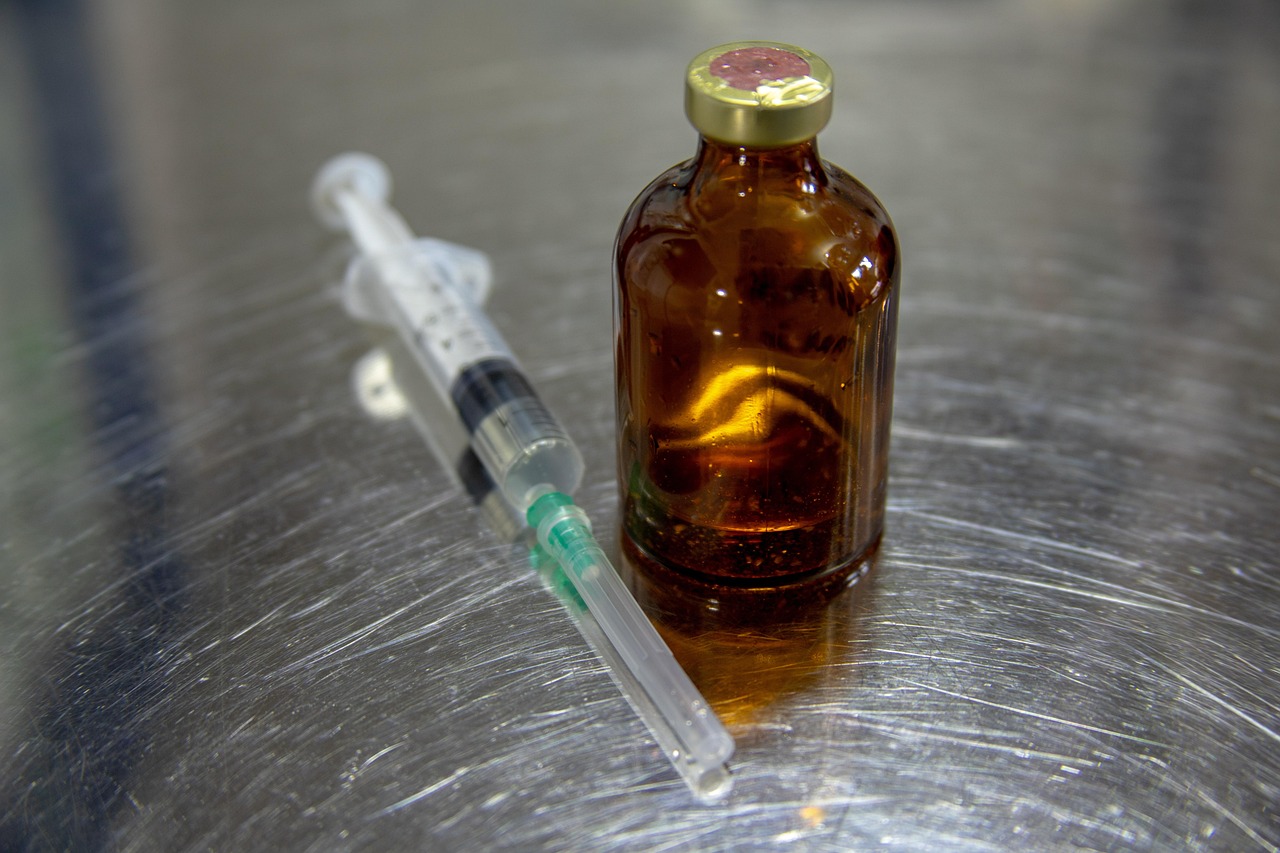
In the US, veterinary injectable cobalamin is typically provided as Cyanocobalamin or Hydroxocobalamin in multi-dose glass vials. Cobalamin is exceptionally sensitive to light degradation. Always keep the vial inside its original protective cardboard box or stored in a dark cabinet at controlled room temperature. Prior to drawing up a dose, inspect the liquid visually; pure cobalamin solution should appear completely clear and brilliantly dark red, free of any cloudiness, floaters, or color fading.
Step-by-Step Injection Technique
- Preparation and Hygiene: Wash your hands thoroughly. Prepare a sterile 1 mL (1 cc) insulin or tuberculin syringe fitted with a fine-gauge needle (typically 25-gauge to 27-gauge, 1/2 inch in length). Wipe the rubber stopper of the B12 vial with an isopropyl alcohol prep pad. Invert the vial, insert the needle, and draw up the precise volume prescribed by your veterinarian (commonly 0.25 mL to 0.5 mL depending on body weight). Gently tap the syringe barrel to push air bubbles to the top and express them back into the vial.
- Calming and Positioning: Place your cat on a stable, non-slip surface such as a rubber yoga mat or a folded bath towel. Many owners find success by offering a small dish of the approved prescription wet food as a distraction during the injection.
- Creating the Skin Tent: Using your non-dominant hand, gently pinch up a fold of loose skin along the scruff area between the shoulder blades or along the loose flank, creating a triangular “tent” of skin.
- Inserting the Needle: Hold the syringe parallel to your cat’s spine with the needle bevel facing upwards. Smoothly insert the needle into the hollow pocket at the center of the skin tent at a slight downward angle. You will feel a subtle drop in resistance as the needle enters the subcutaneous space. Do not insert the needle so deeply that it exits out the opposite side of the skin fold or strikes underlying muscle tissue.
- Aspirating and Injecting: Pull back slightly on the syringe plunger. If no blood or air resistance enters the barrel, slowly and steadily depress the plunger until the full dose is delivered. If blood enters the syringe, withdraw the needle, replace it with a fresh sterile assembly, and select a new injection site.
- Post-Injection Care: Smoothly withdraw the needle along the exact angle of insertion. Rub the injection site gently with your fingers for 5 to 10 seconds to disperse the fluid into the subcutaneous tissue layer. Praise your cat and offer an approved reward.
- Sharps Disposal: Immediately drop the used needle and syringe into an FDA-cleared heavy-duty plastic sharps container. Do not recap used needles by hand to avoid accidental needle-stick injuries. Dispose of full containers according to your local city or county hazardous waste regulations.
Typical Clinical Dosing Schedules
Standard veterinary cobalamin protocols in North America usually call for weekly subcutaneous injections for 4 to 6 consecutive weeks. If clinical signs stabilize and serum levels recover, the frequency is reduced to bi-weekly injections for 4 weeks, then step-down monthly injections, and eventually discontinued or maintained as needed based on periodic follow-up bloodwork.
Diet Transition Safety and Preventing Hepatic Lipidosis
One of the most dangerous clinical pitfalls when managing a cat with chronic IBD during a new diet trial is acute food refusal. Cats possess a unique, highly specialized liver metabolism: if an overweight or chronically ill cat experiences severe anorexic periods—stopping food intake for as few as 48 to 72 consecutive hours—their body rapidly mobilizes peripheral fat stores to the liver for metabolic energy. This overflow overburdens hepatic pathways, leading to acute feline hepatic lipidosis (fatty liver disease), a life-threatening cause of liver failure.
Under no circumstances should an owner adopt a “tough love” approach to force a reluctant cat to eat a new novel or hydrolyzed prescription diet. If your cat flatly rejects the new trial food for more than 24 hours, suspend the transition immediately, offer their baseline food to preserve caloric intake, and consult your veterinarian for guidance.
| Strategy Phase | Methodology | Key Safety Goal |
|---|---|---|
| Gradual Transition | Blend 25% new / 75% old food, slowly scaling to 100% over 7–10 days. | Prevents acute gastroenteritis and microflora shock. |
| Warmth Enhancement | Warm wet food slightly in the microwave (5–8 seconds) to body temperature. | Releases volatile aromatic fats to stimulate appetite naturally. |
| Texture Options | Switch between loaf/pâté and morsels/gravy within the same prescription line. | Addresses mechanical texturing preferences without introducing new proteins. |
| Medical Intervention | Use vet-prescribed appetite stimulants (e.g., mirtazapine) if intake drops. | Prevents feline hepatic lipidosis during severe food aversion. |
Tracking Symptoms and Monitoring Progress
Evaluating the clinical success of a feline inflammatory bowel disease diet trial b12 treatment US management plan requires rigorous, methodical daily record-keeping. Intestinal tissue repair occurs gradually, and clinical improvements are often subtle and incremental over several weeks.
Key Clinical Parameters to Log Daily
Maintain a dedicated physical notebook or digital spreadsheet tracking these specific parameters every single day:
- Fecal Consistency and Stool Scoring: Record every bowel movement using a recognized standard like the Purina Fecal Scoring System (ranging from Score 1: rock hard pellets, Score 2: ideal firm stool, to Score 7: watery diarrhea). Target a stable Score 2 to Score 3 baseline.
- Vomiting Episodes: Note exact times, volume, and composition (e.g., undigested food, bile, clear liquid, white foam, or hairballs). Note whether vomiting occurs immediately post-meal or hours later.
- Total Daily Caloric Intake: Weigh out exact grams of dry food or record exact fractions of cans consumed to ensure your cat meets their required daily resting energy requirement (RER).
- Body Weight Tracking: Weigh your cat once per week at the exact same time of day using a calibrated digital pediatric or pet scale. Steady weight gain or stabilization is one of the clearest clinical indicators of resolving malabsorption.
- Grooming and Energy Levels: Record overall daily activity, playfulness, social engagement, and coat quality. Reduction in hair mats and restored self-grooming behavior strongly correlate with rising serum B12 levels.
Differentiating IBD from Small Cell Lymphoma (SCL)
One of the most complex clinical challenges in feline gastroenterology is accurately distinguishing between severe chronic inflammatory bowel disease and low-grade, small cell alimentary lymphoma (SCL). Both feline diseases share identical presenting clinical symptoms, including chronic vomiting, persistent diarrhea, progressive weight loss, anorexia, and pronounced hypocobalaminemia. Furthermore, abdominal ultrasound imaging for both conditions typically demonstrates diffuse muscularis layer thickening in the small intestine alongside enlarged mesenteric lymph nodes.
Definitive differentiation between IBD and SCL requires full-thickness intestinal biopsy tissue samples (obtained via exploratory laparotomy) or multiple endoscopic mucosal pinch biopsies evaluated by an experienced veterinary pathologist. Pathological evaluation is increasingly paired with advanced diagnostics such as immunohistochemistry (IHC) or PCR for Antigen Receptor Rearrangements (PARR) to detect clonal T-cell lymphocyte populations characteristic of lymphoma.
However, many pet owners, in consultation with their primary veterinarians or internal medicine specialists, choose to initiate a strict non-invasive diet trial paired with subcutaneous B12 injections prior to considering invasive surgical biopsies. If a cat demonstrates dramatic clinical remission, steady weight gain, and normalization of stool quality during an 8- to 12-week diet trial and B12 course, the underlying disease driver was likely food-responsive enteropathy or chronic mild IBD. Conversely, if clinical signs progress or fail to improve despite absolute dietary compliance and normalized serum B12 levels, advanced diagnostic staging and targeted chemotherapy protocols (such as oral prednisolone combined with chlorambucil) are typically recommended under specialized veterinary oncology care.
Navigating Costs and Practical Care Planning in the US
Managing chronic feline GI disease requires thoughtful financial planning. Understanding the primary cost categories associated with diagnostic workups and ongoing maintenance helps cat owners make sustainable decisions for their pets’ lifelong health.
Initial Diagnostic Expenses
A comprehensive diagnostic workup for a cat presenting with chronic gastrointestinal signs in the US generally includes complete blood counts (CBC), chemistry panels, specialized gastrointestinal blood panels (GI Panel: Serum Cobalamin, Folate, fTLI, and fPLI sent to reference laboratories like Texas A&M Gastrointestinal Laboratory), fecal PCR panels, and abdominal ultrasound. Advanced endoscopic or surgical intestinal biopsies represent a major additional cost tier if pursued.
Ongoing Maintenance and Nutrition Costs
Prescription novel protein or hydrolyzed canned and dry cat foods cost substantially more per pound than standard commercial pet diets. An adult cat weighing 10 pounds consuming exclusive prescription wet food will incur moderate to high recurring monthly feeding expenses. Fortunately, multi-dose vials of injectable B12 along with sterile 1 mL syringes remain remarkably affordable per dose, making cobalamin supplementation one of the most cost-effective components of long-term IBD care.
Practical Financial Strategies for Pet Owners
- Veterinary Subscriptions and Auto-Ship: Utilize authorized online veterinary pharmacies or major pet supply platforms that offer recurring delivery discounts on prescription diets.
- Bulk Syringe Purchasing: Purchase boxes of 100 sterile syringes online or through human pharmacies with a prescription, which is far more economical than buying individual syringes at retail clinic rates.
- Pet Health Insurance: If your cat was enrolled in a pet insurance policy prior to the onset of gastrointestinal signs, diagnostic workups, specialist consultations, ultrasound imaging, prescription foods, and cobalamin therapies may qualify for partial or major reimbursement. Always review policy terms regarding pre-existing conditions and chronic care riders.
Long-Term Management and Maintenance Strategies
Achieving initial clinical remission at the end of a 12-week diet trial is a major milestone, but long-term success requires sustained maintenance. Once your cat displays stable weight, normal fecal scoring, and baseline serum cobalamin levels, work with your veterinary team to establish a long-term maintenance plan.
For many cats with true food-responsive enteropathy, remaining permanently on their successful prescription novel or hydrolyzed diet is the safest and most reliable way to prevent inflammatory relapses. If you and your vet decide to conduct a dietary challenge to identify the specific protein trigger, introduce a single, cooked, plain intact protein (such as boiled turkey breast) in small amounts alongside the baseline trial diet for 14 consecutive days while meticulously tracking symptoms. If no gastrointestinal signs return, that protein is deemed safe. If vomiting or loose stools recur, immediately stop the challenge protein and revert to the strict prescription baseline until symptoms clear.
Establish a regular follow-up schedule with your veterinarian every 6 to 12 months. Routine physical exams, periodic monitoring of serum cobalamin levels, and baseline blood panels ensure that any subtle shifts in nutrient absorption or organ function are identified early, keeping your cat comfortable, stable, and thriving for years to come.