When you request a fence installation contractor cost estimator breakdown, you are looking past a simple single-line price tag to understand how professional builders calculate your property’s perimeter protection. Fencing a residential yard is one of the most substantial structural upgrades you can make to your property, combining significant material costs with intensive manual labor. However, contractor bids can vary wildly, leaving homeowners vulnerable to hidden fees, subpar construction methods, or unexpected change orders halfway through a project.
Evaluating these proposals requires a structured approach. You need to look beyond the bottom-line total and examine how linear footage is calculated, what grade of material is specified, how deep the corner and line posts will sit in the ground, and what exclusions are tucked away in the fine print. This guide breaks down the core components of professional fencing estimates so you can compare bids apples-to-apples, protect your investment, and ensure your fence stands straight for decades.
The Core Math: Linear Footage and Yard Complexity
At its most basic level, fence pricing begins with linear footage. Contractors measure the total distance your fence will cover, accounting for property lines, gates, and grade changes. However, two bids for the exact same linear footage can differ by thousands of dollars due to how contractors factor in the specific layout of your yard.
When reviewing your estimate, check whether the linear footage calculation includes gates. Standard practice usually prices gates separately—either as a flat unit fee plus hardware or by the specific width (such as a single four-foot walk gate versus a double ten-foot drive gate). Furthermore, pay close attention to how corners, end posts, and terminal posts are tallied. Each corner requires additional digging, heavier bracing, and precise alignment, which adds labor overhead.
Yards with slopes or rolling terrain introduce another layer of complexity. Contractors must choose between step-building (where fence panels remain level and stair-step down a slope, leaving small gaps underneath) or racking (where panels follow the contour of the ground). Racking requires specialized panels and precise installation, increasing both material and labor costs. If your yard has significant grade changes, ensure your estimate explicitly states whether step-fencing or racked fencing is included.
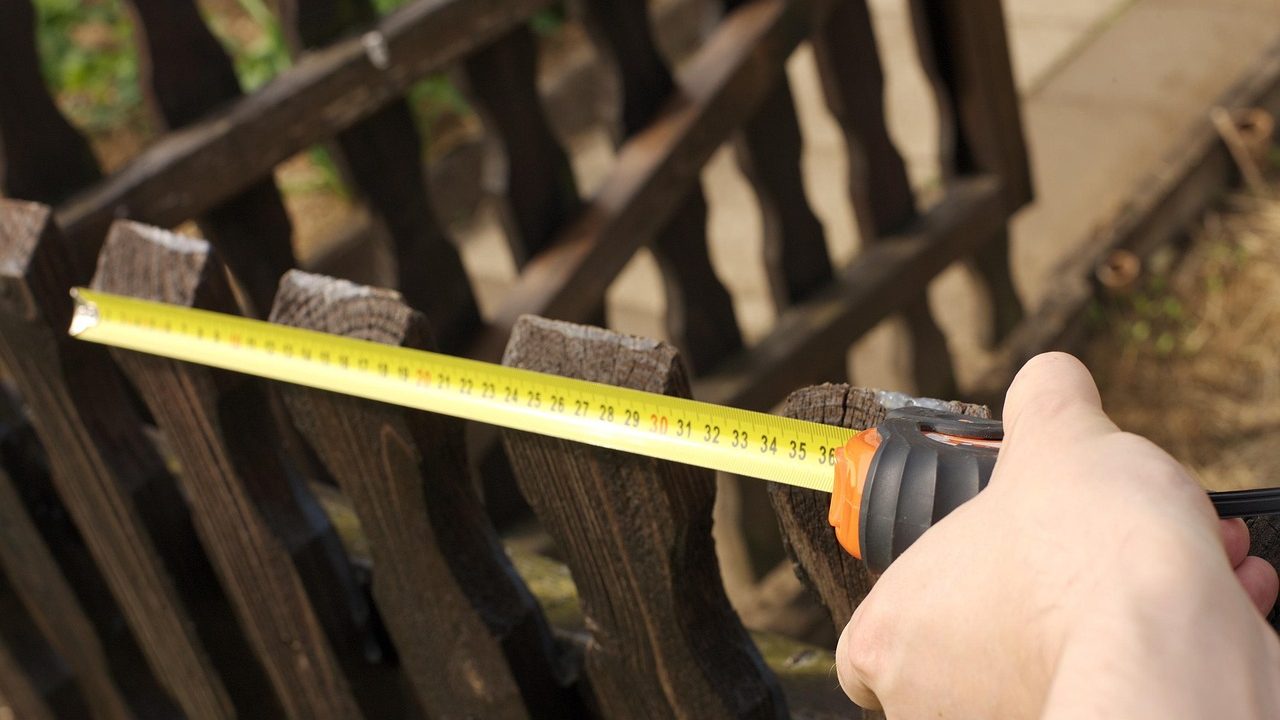
To calculate linear footage accurately yourself, map out your perimeter using a measuring wheel or precise property maps. Measure each straight run from property pin to property pin, then subtract the total width of all planned gates. Keep in mind that professional contractors typically add a 5% to 10% material waste factor to account for cut ends, field adjustments, and minor miscalculations. If a bid seems unusually sparse on material line items compared to your measured perimeter, ask the contractor to walk you through their specific takeoff sheets.

Material Tiers: Wood vs. Vinyl and Composite Bids
Material selection is the heaviest driver of your overall fence cost. When evaluating wood vs. vinyl fence bids, you are weighing upfront savings against long-term maintenance obligations. Wood fencing—typically built from pressure-treated pine, cedar, or redwood—generally offers a lower initial price point. Cedar and redwood provide natural resistance to decay and insects, while pressure-treated pine is budget-friendly but requires prompt sealing and ongoing staining to prevent warping and splitting.
When reviewing wood proposals, pay careful attention to the wood grade and chemical treatment rating. Look for terms like ‘ground contact’ (UC4A rated) for posts, which ensures the lumber has been treated to withstand continuous moisture in the soil without rotting within a few years. Above-ground pickets and rails may carry less intensive treatment, but cheap fencing packages often use sub-standard lumber that twists, checks, and cups within months of exposure to sun and rain.
Vinyl (PVC) fencing sits in a higher initial pricing tier, but it eliminates the need for painting, staining, or sealing. When reviewing a vinyl fence bid, look closely at the specifications. High-end vinyl fencing features thick walls, aluminum channel reinforcement in the bottom rails to prevent sagging, and ultraviolet inhibitors that prevent yellowing in direct sun. Cheaper vinyl products may save money upfront, but they can become brittle and crack under impact or high winds. Always ask to see manufacturer specification sheets for the exact product line the contractor plans to install.
Composite fencing represents the premium tier, blending recycled wood fibers and plastics to offer extreme durability and a realistic wood-grain appearance without the maintenance. Whichever material you choose, ensure the estimate specifies the exact board thickness, rail dimensions, and post gauge rather than generic descriptions like ‘standard privacy fence.’
Post Hole Depth Contractor Standards and Structural Integrity
The beauty of a fence matters little if a heavy windstorm blows it over within two seasons. The structural integrity of any fence relies entirely on its posts, making post hole depth contractor standards a critical item to verify in every estimate.
A common predatory shortcut among low-bid contractors is shallow post hole digging. In regions subject to seasonal freezing, posts must be set below the local frost line to prevent frost heave—the natural freezing and expansion of soil that pushes shallow posts upward and ruins the alignment of the fence line. Even in non-freezing climates, standard professional guidelines dictate that at least one-third of the total post length must be buried underground. For a standard six-foot privacy fence, posts should be anchored at least 24 to 36 inches deep, while taller fences or heavy security structures may require depths of 40 inches or more.
Furthermore, look at the concrete footing specifications in the bid. Professional installations require dry-mix or wet-pour concrete poured into the hole around the post, crowned at the top to shed water away from the wood or metal base. The diameter of the hole should typically be three times the width of the post itself to ensure adequate mass and grip in the surrounding earth. If an estimate lists ‘dirt tamped’ posts for a tall privacy fence in high-wind zones, consider that a major red flag indicating a compromised, short-lifespan installation.
Gate Construction and Hardware Engineering
Gates are the hardest-working component of any fence system, and they are also the most common point of failure. When reviewing a contractor estimate, scrutinize how gates are designed and constructed. A cheap gate is built using the same standard vertical pickets and horizontal rails as the rest of the fence; without additional structural reinforcement, it will inevitably sag, drag on the ground, and fail to latch properly within months.
Professional bids should explicitly detail gate framing methods. Look for welded internal steel frames (especially for vinyl and ornamental metal gates) or diagonal corner bracing (for wood gates) that transfers the weight of the gate back to the hinge post. Furthermore, check the hardware specifications. Residential gates require heavy-duty adjustable hinges, sturdy latches that can be padlocked, and drop rods for double drive gates to secure them against wind gusts.
If your estimate lists a flat, unspecific line item for ‘gates’ without detailing the hardware quality, hinge type, or framing method, ask for clarification. Inferior hardware will rust, bind, or break under regular family use, leading to frustrating service calls or premature replacement costs.
Spotting Predatory Exclusions and Hidden Fees
The most dangerous part of any contractor estimate is what has been left out. Lowball bids often win projects by omitting essential steps or materials, only to bombard the homeowner with expensive change orders once work begins. When reviewing your quote, scan the fine print for these common predatory exclusions:
- Old Fence Removal and Haul-Away: Tearing down an existing fence and disposing of the debris takes significant labor and dumpster space. Verify whether demolition is included or listed as an hourly add-on.
- Utility Locating and Digging Surprises: While professional contractors are legally required to call 811 for utility marking, striking solid bedrock, hidden boulders, or unmarked private utility lines (like sprinkler systems or pool lines) is rarely covered in base labor estimates. Check how the contract handles rock excavation surcharges.
- Property Survey Costs: Contractors do not typically perform official property line surveys. If you lack clear boundary markers or pins, you may need to hire a licensed surveyor independently before fence construction starts. Assuming a boundary can lead to costly neighbor disputes if the fence encroaches on adjacent property.
- Permit Fees: Many municipalities require zoning permits or building permits for fences over a certain height. Ensure the bid clarifies whether pulling permits and managing local inspections is included in the service cost.
- Sloped Yard Upcharges: As noted earlier, if a contractor bids a flat rate for a sloped yard without inspecting the site beforehand, expect a sudden price adjustment when they realize standard panels will not work.
- Debris and Tree Root Mitigation: Cutting through massive tree roots or clearing dense brush along the fence line often incurs extra labor charges. Clarify who is responsible for clearing the path before the crew arrives.
Permits, Setbacks, and Municipal Compliance
Before signing any contract, you must ensure that the proposed fence complies with local municipal codes and homeowners association (HOA) guidelines. Many homeowners are surprised to learn that local governments regulate fence height, maximum opacity in front yards, and setbacks from sidewalks, streets, and water easements.
A professional fencing contractor should be deeply familiar with local zoning laws and should be willing to handle the permit application process on your behalf. However, the ultimate legal responsibility rests with the property owner. If a fence is built over an underground utility easement or violates height restrictions, the municipality can force you to tear it down at your own expense, regardless of what the contractor promised.
Additionally, if your property falls under an HOA jurisdiction, you must secure architectural review board approval before ordering materials or breaking ground. Ensure your contractor provides scaled drawings or product specification sheets if your HOA requires them for approval.
Labor Rates, Crew Sizing, and Timeline Expectations
Labor constitutes a massive percentage of any fence installation invoice. When examining labor costs, look for transparency regarding crew size and estimated project duration. A dedicated crew of two to three experienced installers can typically complete an average residential backyard fence in two to four days, depending on soil conditions and linear footage.
Be wary of unusually low labor quotes that suggest part-time or inexperienced labor. Fencing requires precise leveling, string-line alignment, and post-setting accuracy; mistakes made on day one quickly compound down a 150-foot run. Additionally, confirm that the contractor carries both general liability insurance and workers’ compensation insurance. Request a direct certificate of insurance sent from their carrier to protect yourself from liability if a worker is injured on your property.
Weather delays are another factor to discuss upfront. Heavy rain saturates soil, making it impossible to dig neat post holes or allow concrete footings to cure correctly. A professional contract will outline how weather delays are handled and set realistic expectations for project completion without slapping you with unexpected daily standby fees.
Payment Schedules and Warranty Protections
A reputable contractor will never ask for payment in full upfront. Standard industry practice involves a reasonable deposit upon signing (typically ranging from 20% to 50% to cover custom material ordering), with progress payments tied to completed milestones and a final payment delivered only after a thorough walk-through and your complete satisfaction.
Finally, scrutinize the warranty offered. A trustworthy builder stands behind their craftsmanship with a distinct labor warranty—usually covering post shifting, sagging gates, and loose hardware for at least one to three years. Materials are typically covered by manufacturer warranties (ranging from ten years to a limited lifetime), but the contractor should be willing to assist you with warranty claims if a defect arises.
Frequently Asked Questions About Fence Estimates
How much should I expect to pay for fence installation labor versus materials?
In most standard residential fencing projects, material costs account for roughly 50% to 60% of the total estimate, while labor makes up the remaining 40% to 50%. Complex designs, steep slopes, or difficult rocky soil conditions will shift that ratio toward higher labor costs.
Should I buy the fencing materials myself to save money?
While buying materials directly can occasionally save on retail markups, most professional contractors refuse to install homeowner-supplied materials. Contractors warranty their completed work, which requires using materials they source from trusted suppliers. Furthermore, mismatched or low-quality store-bought parts can complicate installation and void labor guarantees.
How can I verify if a contractor’s insurance is valid?
Never rely solely on a copy of an insurance certificate handed to you by the salesperson. Ask the contractor to have their insurance agency email or fax a certificate of insurance directly to you, listing you or your property as the certificate holder for the duration of the project.
By thoroughly reviewing linear footage math, verifying post hole depth standards, and cross-examining material tiers and fine-print exclusions, you can transform a confusing set of contractor bids into an informed, confident hiring decision that protects your home and your budget for years to come.