Owning a home with a private onsite wastewater treatment system means taking on the responsibility of managing your own municipal utility infrastructure on a miniature scale. For millions of American households, that system is a standard concrete or plastic septic tank buried in the backyard. Naturally, homeowners want to protect this major investment from costly failures, which has created a thriving consumer market for maintenance products. When evaluating septic tank treatment additives vs pumping, the core question is whether bottled bacteria and enzymes can genuinely reduce waste or if they are simply an expensive shortcut that bypasses the fundamental physics of wastewater treatment.
To understand the debate, you have to look at how a septic tank actually works. A standard residential tank is a watertight container designed to receive all household wastewater from toilets, showers, washing machines, and sinks. As wastewater enters, the heavy solids settle to the bottom, forming a dense layer known as sludge. Meanwhile, fats, oils, and greases float to the top, creating a buoyant layer called scum. The relatively clear liquid in the middle, known as effluent, flows out through an outlet baffle into the drain field, where soil microbes finish the purification process. Because the tank only provides primary treatment, solids inevitably accumulate over time. The fundamental maintenance challenge is deciding how best to manage that accumulation.
The Mechanics of Bacterial and Enzyme Additives
Walk down the plumbing aisle of any hardware store, and you will find dozens of bottles and powders promising to eliminate the need for pumping. These products generally fall into two categories: biological additives containing live bacteria and enzymes, and chemical additives containing solvents or acids. Biological treatments claim to supplement the natural microbial population inside your tank, accelerating the breakdown of organic waste, toilet paper, and grease.
In theory, adding extra microorganisms sounds logical. In practice, however, a healthy septic tank is already a thriving biological ecosystem. The human waste entering the system every single day introduces billions of anaerobic bacteria that are perfectly adapted to digesting domestic sewage. Unless a household has heavily abused the system by flushing antibacterial agents, bleach, or harsh chemical drain cleaners in massive quantities, the natural bacterial population is rarely the limiting factor in waste breakdown.
Enzymes can help break complex organic molecules into simpler compounds that bacteria can digest more easily, but they do not make solids disappear into thin air. Even when organic matter is fully liquefied or converted into gas, inert materials, non-biodegradable debris, and mineralized ash remain behind. These residual solids still contribute to the sludge layer at the bottom of the tank, meaning biological additives can never completely eliminate the physical need for a pump truck.
Furthermore, it is worth examining how these commercial mixtures interact with real-world plumbing variables. Many over-the-counter biological formulas consist of spore-forming bacteria that require specific temperature ranges and nutrient balances to thrive. If a household frequently runs high-temperature wash cycles or discharges large volumes of chlorinated water, those introduced strains may struggle to establish dominance over native microorganisms. Consequently, homeowners are often paying premium retail prices for bacterial cultures that wash out of the system within days, having accomplished very little visible reduction in long-term solid mass.
Understanding the Role of Routine Pumping
While marketing claims for additives often focus on chemical and biological processes, the maintenance reality comes down to simple volume and displacement. Every day, your household sends hundreds of gallons of water into the septic tank. As new water enters, it displaces the oldest liquid out into the drain field. If the sludge and scum layers grow too thick, the effective liquid capacity of the tank shrinks. When capacity decreases, wastewater moves through the tank too quickly, not allowing enough time for solids to settle out.
This is where routine septic tank maintenance schedules become critical. When suspended solids escape the tank and enter the drain field, they quickly clog the perforated pipes and the surrounding soil pores. Once a drain field clogs with organic sludge, water can no longer absorb into the ground, leading to soggy yards, slow indoor drains, sewage backups, and ultimately a complete system replacement that can easily cost tens of thousands of dollars.
Physical pumping is the only proven method to remove accumulated sludge and scum from the bottom and top of the tank. A licensed septic professional inserts a heavy-duty vacuum hose through the main access port, thoroughly scouring the interior and removing all accumulated solids that biological products leave behind.
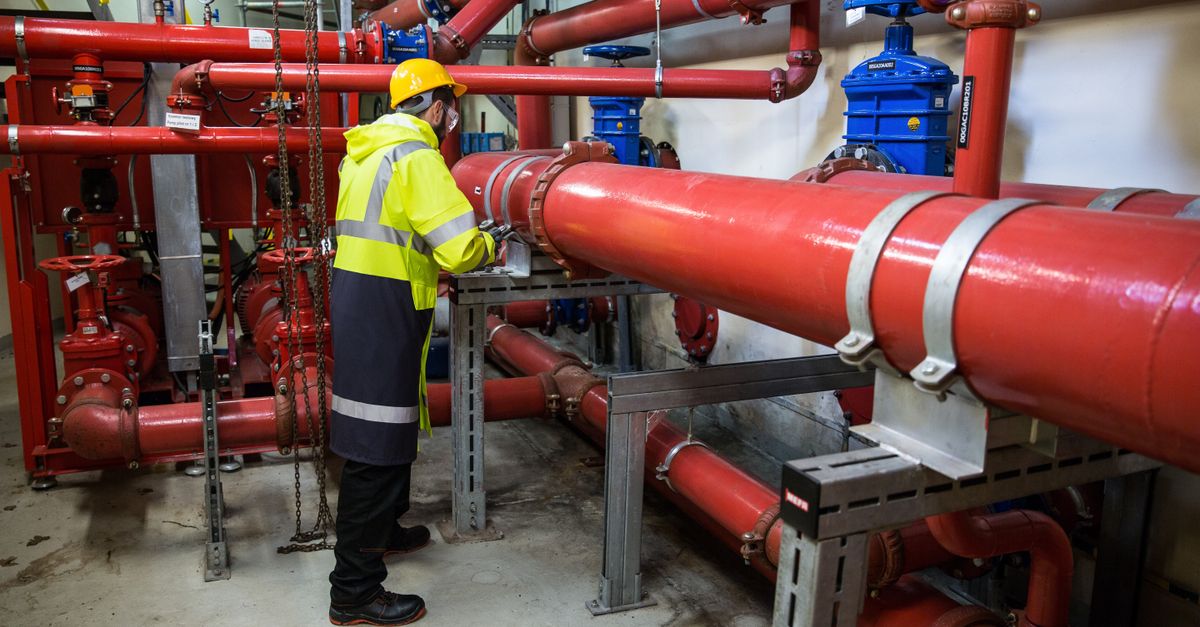
Beyond merely removing solids, professional pumping offers a vital opportunity for comprehensive system diagnostics. When a service technician opens the tank, they can inspect the structural integrity of the concrete or plastic walls, check for cracks or root infiltration, evaluate the condition of the inlet and outlet baffles or tees, and verify that effluent is flowing freely toward the drain field. These physical inspections catch minor component failures—such as a deteriorated baffle—long before they escalate into major backups or drain field destruction.
Evaluating the Claims: Do Additives Do Any Good?
Given that additives cannot replace pumping, do they serve any useful purpose at all? Independent university studies and extension services offer a nuanced view. Some field tests indicate that certain biological additives can help liquefy grease and surface scum, which may temporarily reduce minor scum thickness in specific operational conditions. For households with heavy grease loads or low-flow plumbing habits, an occasional biological treatment might offer modest assistance.
However, many commercial additives—particularly those marketed as solvent-based degreasers—pose significant environmental and structural risks. Chemical additives containing harsh solvents, acids, or petroleum distillates often break the scum and sludge into tiny, suspended particles. While this might temporarily clear the tank view, those suspended particles easily flow straight out into the drain field, causing premature clogging. Furthermore, harsh chemicals can kill the beneficial bacteria living in the tank and contaminate local groundwater resources.
Regulatory bodies across the United States, including numerous state health departments and environmental protection agencies, do not endorse the use of septic additives as a replacement for pumping. Most public health guidance explicitly states that septic tanks will function properly for decades without any additives, provided they are pumped out at regular, recommended intervals. Homeowners should always review local environmental regulations, as certain municipalities and counties maintain strict prohibitions against chemical additives that threaten regional aquifers.
Establishing a Realistic Maintenance Schedule
Rather than spending money on monthly or quarterly bottles of bacterial treatments, homeowners achieve the best long-term results by investing in a consistent inspection and pumping schedule. How often a tank needs pumping depends on several key variables:
- Household Size: A home with five residents generates significantly more solid waste than a home with a single occupant, filling the tank much faster.
- Tank Capacity: Standard residential tanks typically range from 1,000 to 1,500 gallons. Smaller tanks require more frequent attention.
- Garbage Disposal Usage: Using an in-sink garbage disposal introduces a massive amount of ground food waste into the system, increasing solids accumulation by up to 50 percent and necessitating much more frequent pumping.
- Water Usage Habits: High daily water volumes from frequent laundry loads or leaky fixtures push water through the tank faster, disturbing the settling process.
As a general baseline, a typical three-bedroom home with a 1,000-gallon tank and two to four occupants should have its septic tank inspected every one to three years and pumped every three to five years. Neglecting this routine in favor of quick-fix additives is one of the most common and expensive mistakes residential homeowners make.
To maintain clarity over the years, homeowners should establish a dedicated binder or digital folder containing all septic records. Documenting the exact date of every pump-out, the measured sludge levels noted by the technician, the location of the tank lids, and any repairs performed creates a valuable historical profile of the system’s health. If you purchase an existing home, scheduling an immediate professional inspection is the only reliable way to establish a baseline, since previous occupants may not have maintained an accurate service log.
Cost Analysis: Additives vs. Professional Pumping
When comparing the ongoing expenses of septic tank treatment additives vs pumping, the financial argument clearly favors disciplined mechanical maintenance over bottled products. Consider the typical math involved in both approaches.
A homeowner purchasing a premium monthly biological additive might spend between $15 and $30 per month, totaling roughly $180 to $360 per year. Over a five-year period between routine pump-outs, that adds up to $900 to $1,800 spent entirely on bottled products. In contrast, a standard professional septic tank pumping service typically costs between $300 and $600, depending heavily on regional labor rates, tank size, and accessibility.
When you look at the numbers, spending hundreds of dollars a year on additives while still requiring a full professional pump-out every few years results in a completely unnecessary financial double-pay. You are paying a recurring subscription fee for chemical products that do not eliminate the need for the physical truck visit anyway. Shifting those funds toward routine professional servicing and minor preventative upgrades yields a vastly superior return on investment while eliminating the risk of premature drain field failure.
Signs Your Septic System Needs Immediate Attention
Waiting too long between pump-outs or relying too heavily on unproven treatments can lead to emergency situations. Knowing the warning signs of system distress helps homeowners catch problems before they result in catastrophic drain field failure.
Watch closely for the following indicators:
- Slow Drains: If multiple fixtures throughout the house begin draining sluggishly despite cleared interior P-traps and cleanouts, the tank or main outlet line may be backed up.
- Gurgling Pipes: Hearing a distinct gurgling sound in your plumbing when flushing toilets or running washing machines indicates that air is trapped because wastewater cannot escape the house freely.
- Unusual Odors: Foul sulfur or sewage odors lingering around the yard—particularly near the septic tank or drain field—often point to a failing system or surfacing effluent.
- Lush Green Grass: If the grass directly over your drain field appears noticeably greener, brighter, or spongier than the surrounding lawn during dry weather, it usually means untreated wastewater is rising close to the surface.
Mechanical removal of solid sludge and floating scum prevents drain field failure. — Photo by SHOX ART on Pexels
Recognizing these warning symptoms early allows homeowners to call a licensed service professional before minor pooling or slow drainage evolves into a catastrophic backup inside the living space. Ignoring sulfur smells or spongy yard patches will only compound repair bills as saturated soils and biological mats demand extensive mechanical remediation or complete drain field reconstruction.
Protecting Your System Beyond Pumping
While mechanical pumping is the cornerstone of private wastewater care, daily household habits dictate how smoothly your system operates between visits. Small behavioral changes can drastically reduce wear and tear on both the tank and the drain field.
First, be mindful of what goes down your drains and toilets. The only things that should ever enter a septic system are human waste and standard toilet paper. Items marketed as “flushable”—such as baby wipes, disinfectant wipes, facial tissues, and paper towels—do not break down like standard bathroom tissue. They accumulate in the tank, wrap around baffles, and clog outlet pipes instantly.
Second, manage household water output wisely. Spreading out heavy water-using chores like laundry across multiple days rather than running several loads back-to-back prevents hydraulic overload, giving solids adequate time to settle quietly at the bottom of the tank without being churned back into suspension.
Finally, keep heavy loads off your drain field. Never park vehicles, build structures, plant large trees with aggressive root systems, or place above-ground pools over your drain field area. Compacting the soil or damaging the underlying distribution pipes destroys the aerobic environment necessary for final wastewater treatment.
Conclusion
When evaluating septic tank treatment additives vs pumping, the technical and financial evidence points to a single clear conclusion: physical pumping is an absolute necessity, while additives are largely optional and often unnecessary. While certain biological products may assist with minor grease breakdown in specific situations, they cannot dissolve inorganic solids, eliminate sludge accumulation, or substitute for the mechanical muscle of a vacuum pump truck. By skipping expensive monthly additives and committing to a reliable inspection and pumping schedule every three to five years, homeowners protect their investments, safeguard local groundwater, and ensure their septic systems operate reliably for decades.