When you start collecting bids for a home makeover, your first instinct is usually to skip straight to the bottom-line total. However, comparing total prices without examining the underlying math can lead to costly surprises. An accurate exterior house painting cost estimator relies on breaking down labor hours, square footage calculations, material grades, and preparation requirements. Without understanding these variables, it is easy to accept a deceptively low bid that misses crucial steps, or overpay for a package loaded with unnecessary add-ons.
Professional exterior painting is far more complex than simply rolling color onto siding. Weather exposure, substrate materials, height access, and the condition of existing paint all dictate the final price. This guide examines how to dissect contractor proposals, analyze surface preparation tiers, and protect your project from predatory exclusions.
The Core Math: How Square Footage Drives the Estimate
Every reliable contractor estimate begins with square footage, but calculating the paintable area of a house is rarely as simple as multiplying length by width. Contractors must calculate the total exterior surface area of the walls, subtract windows and doors, and then account for trim, fascia, soffits, and overhangs.
To build a baseline exterior house painting cost estimator model, contractors typically measure the perimeter of the home and multiply it by the height from the foundation to the roofline. This gives a gross square footage. From there, they factor in the specific siding material. Smooth horizontal lap siding, textured stucco, rough-cut cedar shake, and deeply grooved T1-11 plywood all require different application methods and consume varying amounts of paint.
Furthermore, stories and height add labor overhead. Single-story ramblers require minimal ladder work, while two- or three-story homes demand extension ladders, scaffolding, and sometimes safety harnesses or specialized lift rentals. When reviewing a bid, check whether the square footage calculation is explicitly stated. If a contractor provides a single lump sum without showing how they measured your home, request a breakdown before moving forward.
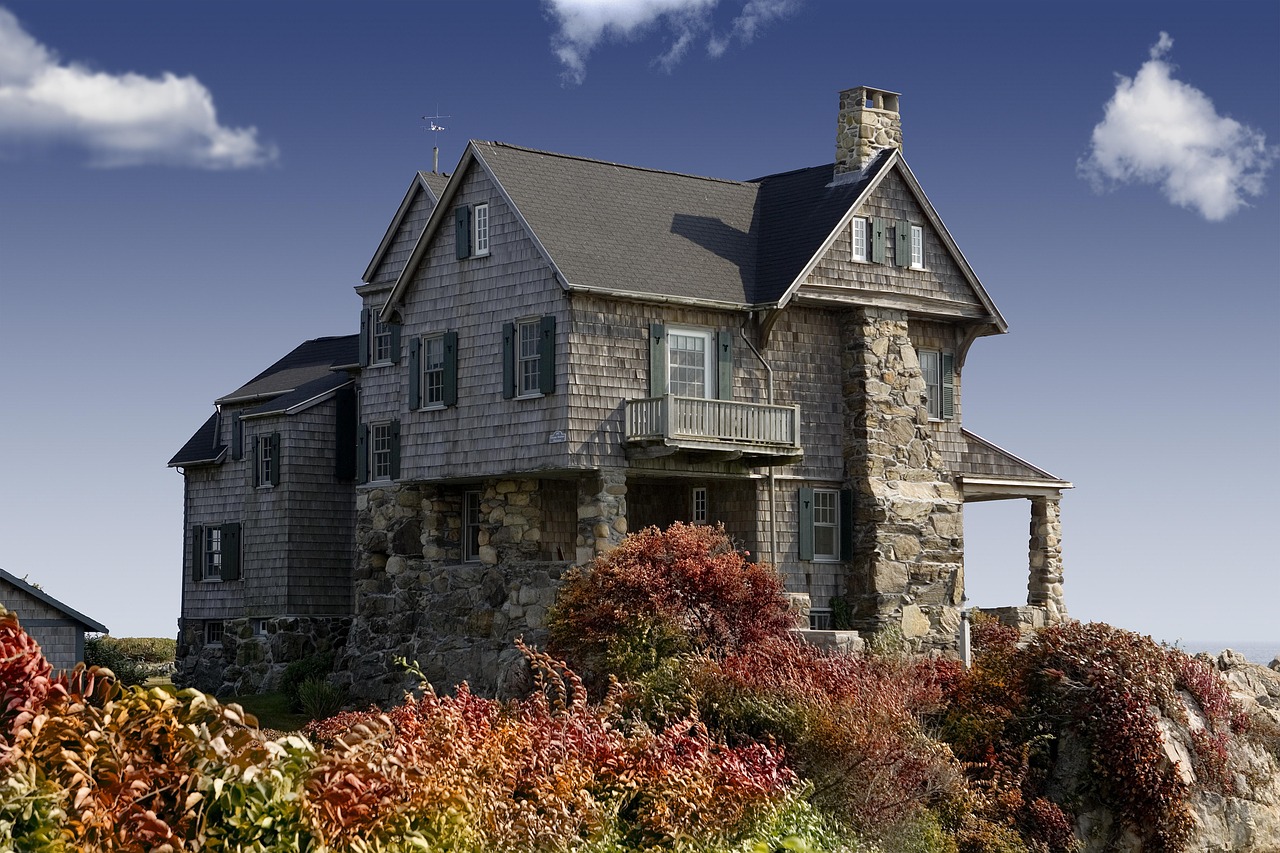
Beyond basic perimeter math, complex architectural features like dormers, gables, and deep overhangs complicate the calculation. A house with multiple gables and intricate trim work requires significantly more cutting-in by hand, which slows down production rates compared to a straightforward box-shaped home. Experienced estimators use specialized takeoff software or detailed manual measurements to account for these nuances, ensuring that the labor allocation matches the actual physical demands of the structure.
Breaking Down Surface Prep Labor Tiers
The single biggest differentiator between a cheap bid and a professional bid is surface preparation. Paint failure is almost never the fault of the paint itself; it is almost always caused by poor preparation. A proper paint job is roughly 70 percent prep and 30 percent painting. When evaluating contractor proposals, look closely at how they categorize preparation labor.
Most professional painting contractors divide surface prep into distinct labor tiers based on the condition of the existing coating:
- Tier 1 (Standard Wash and Light Scrape): Suitable for homes with sound paint in good overall condition. This tier includes a standard low-pressure wash to remove dirt, chalking, and mildew, followed by hand-scraping loose or peeling paint edges and spot-priming bare spots.
- Tier 2 (Extensive Scraping, Sanding, and Feathering): Necessary for older homes with multiple layers of failing paint. Contractors spend days scraping, power-sanding feathered edges, and feathering transitions so the new coat lays flat. Caulking failing window seams and door frames is standard at this level.
- Tier 3 (Complete Stripping and Restoration): Required when paint is severely alligatored, cracking, or failing across the entire surface. This intensive tier may involve chemical strippers, heat guns, extensive wood replacement, or total sanding down to bare wood or masonry before any primer touches the wall.
If two contractors bid drastically different prices for the same house, check the prep tier. The lower bidder is often planning a Tier 1 wash and run, while the higher bidder has accounted for the labor-intensive reality of Tier 2 or Tier 3 preparation.
Evaluating prep requirements requires inspecting your siding up close. Run your hand across the southern or western exposures of your home—the sides that receive the harshest ultraviolet rays. If your fingers come away with a chalky residue, or if you see hairline cracking and peeling edges around window frames, your home requires at least Tier 2 preparation. Bids that omit these steps or assume a simple garden-hose rinse will result in blistering within twelve to eighteen months.
Paint Grade Tiers and Material Quality
Materials account for a smaller percentage of the total project cost than labor, but the grade of paint specified in the contract directly affects longevity. Exterior paints are generally categorized into builder-grade, mid-grade, and premium 100 percent acrylic latex formulations.
Builder-grade paints are inexpensive, but they lack the resin content and high-grade titanium dioxide needed to withstand ultraviolet degradation, moisture expansion, and temperature swings. They tend to chalk, fade, or peel within a few years. Mid-grade paints offer better coverage and durability, making them a common choice for budget-conscious homeowners.
Premium 100 percent acrylic latex formulations represent the gold standard for exterior residential painting. These paints maintain elasticity, allowing them to expand and contract with wood and siding as temperatures fluctuate throughout the year. They offer superior stain resistance, color retention, and mildewcide packages. When evaluating an estimate, verify that the brand name, specific product line, and sheen (flat, satin, or semi-gloss) are explicitly written into the scope of work. Vague terms like “high-grade exterior paint” leave room for substitution with inferior products.
Sheen selection also impacts performance and appearance. Flat or matte finishes hide surface imperfections on older wood or stucco siding well, but they collect dirt more easily and are harder to clean. Satin and low-lustre finishes offer a subtle sheen, strike a balance between washability and concealment, and perform exceptionally well on modern lap siding. Semi-gloss is generally reserved for trim, doors, and shutters where durability against constant handling and moisture is critical.
Understanding Labor Rates and Crew Dynamics
Labor dominates the cost of exterior painting. When you pay a painting contractor, you are paying for trained labor, insurance, overhead, and profit margins. Crew size and composition significantly influence how long your project takes and how much it costs.
Independent painters or small two-person crews may offer lower hourly or project rates because their overhead is minimal. However, a small crew might take two weeks to complete a large two-story house, leaving your home wrapped in ladders and plastic for an extended period. Larger painting companies often deploy crews of four to six painters, finishing the same project in three to four days.
Regardless of crew size, labor should be itemized clearly. Look for transparency regarding how many coats of primer and finish paint are included. A standard exterior paint job requires one coat of primer (on bare spots or unpainted surfaces) and two finish coats of color. Any bid that specifies a single coat over old, faded paint should be viewed with extreme caution, as one coat rarely provides adequate film thickness or uniform color coverage.
Production rates also factor into professional labor pricing. Experienced crews typically calculate labor requirements based on square footage output per painter per day, factoring in setup, masking, prep, and application. When a bid seems unusually high or low relative to your home’s footprint, asking the contractor to explain their projected timeline and staffing allocation provides immediate insight into their operational efficiency.
Spotting Predatory Bid Exclusions
Unscrupulous contractors sometimes use intentionally low estimates to win a job, planning to pad their final payout through expensive change orders once work begins. Learning to spot predatory bid exclusions protects you from unexpected mid-project price hikes.

Common Exclusions to Watch For
- Rotten Wood Repair: Many low bids explicitly exclude carpentry repair. If the painter encounters soft fascia boards, rotted trim, or water-damaged siding, they may charge exorbitant hourly rates to fix it or simply paint right over the rot. Ensure the contract outlines a clear hourly rate or per-linear-foot cost for wood replacement before work starts.
- Soffit, Fascia, and Gutter Detachment: Painting behind gutters or tightly fitted architectural elements takes time. Some bids exclude these areas or state that gutters will not be dropped, leading to missed spots and premature peeling behind the hardware.
- Lead Paint Abatement: If your home was built before 1978, federal regulations (EPA RRP rule) require specific containment, scraping, and cleanup procedures to handle lead-based paint safely. Bids that ignore lead safety or fail to account for containment supplies are not only cutting corners—they may be operating illegally.
- Cleanup and Disposal Fees: Check who is responsible for hauling away paint chips, empty cans, and masking materials. Hidden disposal fees can quietly inflate your final bill.
Additional exclusions often involve landscaping protection, window washing after overspray cleanup, and detached structures like sheds or detached garages. Clarifying whether these items are included or billed separately prevents friction once the job is underway.
Evaluating Contractor Licensing, Insurance, and Warranties
A detailed estimate means little if the contractor lacks the credentials to back up their work. Before signing any agreement, verify that the contractor holds a valid state or local license specifically for painting and home improvement.
Insurance is non-negotiable. Request certificates of insurance directly from the provider, ensuring the contractor carries both general liability insurance and workers’ compensation coverage. If an uninsured painter falls off a ladder on your property, you could be held financially and legally responsible for their medical bills.
Finally, examine the warranty. A reputable painting contractor should offer a workmanship warranty that covers peeling, blistering, or flaking for a minimum of two to five years. Understand that manufacturer material warranties and contractor workmanship warranties are distinct. Material warranties cover product failure, while workmanship warranties cover application failure. Get both in writing.
Structuring Payment Terms and Avoiding Large Deposits
How a contractor structures payment terms is often a reliable indicator of their financial stability and professionalism. Be wary of any contractor demanding a massive upfront deposit before work begins.
Standard industry practice in most states involves a modest mobilization deposit—typically 10 to 30 percent—to cover custom paint mixing and material staging. Legitimate contractors do not need 50 to 100 percent upfront to buy supplies. Tie subsequent payments to measurable project milestones, such as the completion of power-washing and prep, the application of primer, and the final coat.
Never pay the final balance until you have conducted a thorough daylight walk-around inspection. Check for missed spots behind downspouts, clean lines where siding meets trim, and ensure all drop cloths and debris have been cleared from your landscaping. Holding back the final 10 percent until you are completely satisfied ensures the contractor returns to handle any necessary touch-ups.
Navigating Climate and Seasonal Weather Windows
Exterior painting is inherently weather-dependent. Temperature, humidity, and direct sunlight dictate whether paint cures correctly or fails prematurely. Professional estimates should account for local climate windows.
Most exterior acrylic latex paints require ambient temperatures between 50°F and 90°F during application and throughout the curing window, which can span 24 to 48 hours. Painting in freezing temperatures prevents proper coalescence of the paint film, leading to immediate cracking. Conversely, applying paint in direct, blazing summer sunlight causes the moisture to evaporate too quickly, trapping solvent and resulting in bubbling or blistering.
Dew point is another critical variable. If evening temperatures drop rapidly and cause dew to form on freshly applied paint before it has dried through, the finish can wash away or lose its gloss. When reviewing a contractor’s schedule, ensure they build in weather contingencies rather than rushing to paint during unseasonal rainstorms or morning frost.
Frequently Asked Questions About Exterior Painting Estimates
How often should a home’s exterior be repainted?
Most residential siding requires repainting every seven to ten years, depending on the substrate, regional climate, sun exposure, and the quality of the previous application. Stained wood siding or harsh coastal environments may require maintenance every four to six years.
Should I hire a painting specialist or a general handyman?
While handymen can handle small touch-ups, a dedicated painting contractor brings specialized scaffolding equipment, larger crews, efficient production methods, and comprehensive warranties that general handymen rarely match.
What is the best time of year to paint an exterior?
Late spring, summer, and early fall offer the most stable temperature and humidity windows in most regions. However, arid climates permit painting during milder winter months as long as freezing nighttime temperatures are avoided.
Bringing It All Together for Your Project
Evaluating an exterior house painting estimate requires a balance of skepticism and practical math. By looking beyond the bottom-line price and examining square footage calculations, prep labor tiers, paint grades, and contract exclusions, you can separate professional operators from low-ball bidders. Take the time to collect at least three detailed, itemized bids, ask targeted questions about prep work and material brands, and secure every promise in a written contract. Doing so ensures your home receives the durable, high-quality protection it deserves.