Few kitchen debates arise quite as frequently during hot summer months or holiday hosting seasons as the quest for reliable ice. When your household goes through gallons of iced coffee, smoothies, and cocktail glasses every day, standard freezer trays often fall short. That leaves homeowners and apartment renters weighing a common dilemma: should you rely on your built-in refrigerator dispenser, or invest in a dedicated countertop ice maker vs refrigerator ice setup?
While built-in refrigerator ice systems offer seamless, hidden operation, they are far from foolproof. They can be slow to recover after a large party, prone to freezer-line freeze-ups, and expensive to repair when the internal motor fails. On the other hand, portable countertop ice makers have surged in popularity as affordable, fast-acting kitchen additions. But do they actually replace a built-in system, or are they just another appliance cluttering your counter? Here is an objective look at how both options compare across speed, capacity, space, and maintenance.
Understanding How Each System Produces Ice
To understand which appliance fits your lifestyle, it helps to know how they generate ice. Standard refrigerator ice makers operate on a batch-freezing principle inside your freezer compartment. Water flows into a mold, freezes solid over a couple of hours, and a heating element slightly warms the mold so a mechanical arm can push the cubes into an overhead storage bin. This automated process ensures you always have a large stockpile waiting behind your freezer door, provided the unit is connected to a dedicated water supply line.
Countertop portable ice makers use an entirely different thermodynamic approach. Instead of freezing water inside a sub-zero freezer cavity, these compact units feature refrigerated metal finger prongs that submerge into a small basin of room-temperature water. As refrigerant chills the metal fingers, ice forms around them in distinct hollow cylinders, often called bullet ice. Once the cycle finishes—usually in six to fifteen minutes—the prongs warm up slightly, and the ice slides off into a removable basket. A small plastic paddle pushes the batch aside to make room for the next round. Crucially, most portable countertop units are not freezers; any ice left sitting in the basket will eventually melt back into the reservoir, where it is recycled into the next batch.
Speed and Daily Production Capacity
When measuring pure speed, countertop units win hands down on a per-batch basis. While a refrigerator ice maker takes up to two hours to freeze a fresh batch of crescent or cube ice, a portable countertop machine can churn out its first batch of nine bullet cubes in less than ten minutes. If you run the machine continuously, a typical consumer countertop unit can produce anywhere from 26 to 40 pounds of ice over a 24-hour period.
However, production capacity comes with an important caveat regarding storage. A refrigerator ice maker drops ice into a large freezer bin that can easily hold 4 to 10 pounds of ice at any given moment, keeping it frozen indefinitely. A countertop ice maker typically holds only 1 to 2 pounds of ice in its internal basket at a time. If you are hosting a gathering, you cannot simply turn on the machine, walk away, and return to a massive mountain of ice. You have to actively harvest the ice, empty the basket into a freezer bag or cooler, and let the machine run another batch. For everyday household use, both systems provide plenty of ice, but for large parties, refrigerator systems maintain a massive storage advantage unless you manually manage your countertop machine.
Kitchen Footprint and Spatial Considerations
Countertop space is one of the most fiercely contested real estate zones in any kitchen. Before bringing home a portable ice maker, you must evaluate whether you have the square footage to spare. Most standard portable ice makers measure roughly 9 to 15 inches wide, 12 to 17 inches deep, and 13 to 15 inches tall. They require clearance around their ventilation grills to prevent overheating, meaning they cannot be shoved into a tight, enclosed nook.
Furthermore, you need to consider where you will fill the machine. Because portable units rely on manual water filling rather than a direct plumbing hookup, you must either carry pitchers of water to the appliance or place the machine near your sink. If your kitchen features cramped countertops cluttered with a coffee maker, air fryer, and microwave, a portable ice maker might test your patience. Refrigerator ice makers, by contrast, take up zero counter space. They live entirely inside the freezer door or cavity, leaving your preparation surfaces completely open.
Plumbing, Water Source, and Water Quality
The water source represents a fundamental operational divide between these two systems. Built-in refrigerator ice makers require a permanent water supply line tapped into your home’s plumbing. Installing this line can involve running tubing behind cabinets or beneath flooring, and if the water line kinks or the inlet valve fails, it can cause catastrophic water leaks inside your kitchen. However, once installed, you never have to think about adding water again.
Portable ice makers flip this equation. They feature a water reservoir that you fill manually by pouring tap or filtered water directly into the basin. This makes portable units exceptionally versatile—you can take them out to the patio for a barbecue, pack them up for an RV trip, or use them in an office breakroom without any plumbing modifications. From a water quality perspective, portable units give you total control. If you prefer the taste of filtered water from a pitcher or reverse-osmosis system, you simply pour that water into the reservoir. Refrigerator ice makers depend entirely on whatever inline refrigerator filter you have installed; if that filter is old or clogged, your ice may pick up unpleasant flavors from the freezer.
Electrical Power Consumption and Energy Costs
Neither appliance will single-handedly wreck your monthly electric bill, but their power draws function quite differently. Refrigerator ice makers operate intermittently as part of your main refrigerator-freezer compressor cycle, drawing power continuously to maintain cold temperatures while occasionally activating heating elements and drive motors to harvest ice. Because the freezer is already running, the marginal energy cost of making ice is relatively low.
Countertop ice makers are dedicated appliances that draw substantial electrical current—typically ranging from 120 to 180 watts—only while actively running a freezing cycle. If you leave a portable ice maker plugged in and running all day to keep its small basket full, it will consume a noticeable amount of electricity. To keep energy bills manageable, treat a portable ice maker like a blender or toaster: plug it in when you need it for a specific event or daily hydration routine, and turn it off or unplug it when your storage container is full.
Maintenance, Cleaning, and Scale Prevention
Neglecting appliance maintenance is a fast track to funky-tasting ice and mechanical failure. Refrigerator ice makers are notoriously difficult to deep-clean. Reaching into the freezer mold to scrub away mineral scale or mold growth requires awkward angles, and removing the entire ice maker assembly often demands tools and technical patience.
Portable countertop ice makers make cleaning much more accessible, though they still require regular attention. Because standing water sits in a warm room-temperature environment inside the machine’s base, mineral scale (calcium and magnesium deposits) can build up quickly on the evaporator fingers and water pump, especially if you use hard tap water. Most quality portable units feature a rubber drain plug at the bottom of the reservoir, allowing you to flush the system easily. Routine maintenance involves draining the unit, wiping down the interior with a mild vinegar and water solution, and running a rinse cycle every couple of weeks to prevent biofilm and scale accumulation.

Comparing Ice Quality, Shape, and Usage
Ice shape is not just an aesthetic choice; it directly affects how your beverages chill and how your appliances perform. Refrigerator ice makers typically produce crescent-shaped cubes, half-moon shapes, or standard rectangular cubes. These denser shapes melt relatively slowly, making them ideal for long-term cooling in cocktails or tumblers without diluting the drink too quickly.
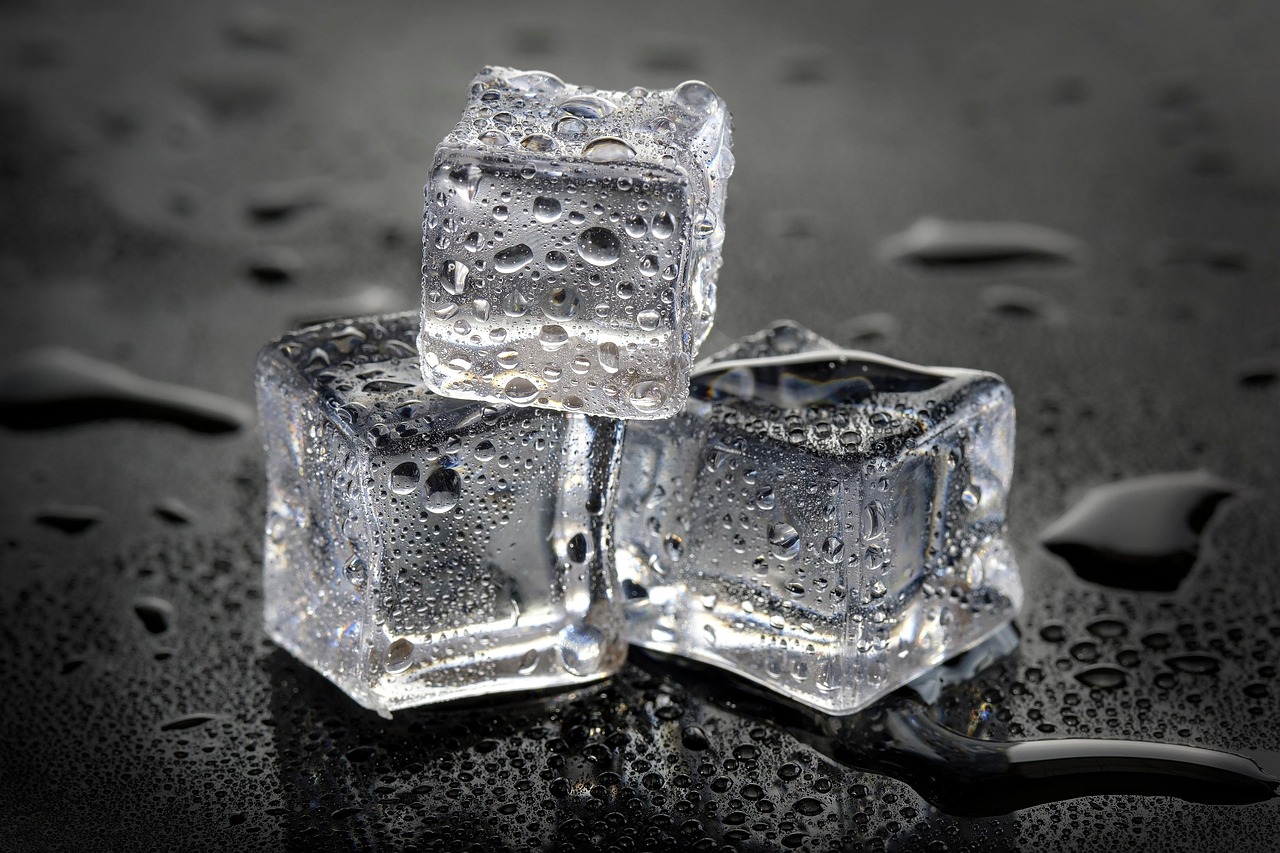
Countertop ice makers almost universally produce bullet ice. Bullet ice features a hollow center and a thinner wall structure. Because of this hollow design, bullet ice cools drinks down with incredible speed, which is why it is favored for smoothies and iced tea. However, it also melts faster than dense refrigerator cubes. Furthermore, bullet ice is generally softer and more porous, meaning it can be crushed easily in a blender without straining the motor, but it may not hold up as long in a tall glass sitting outside on a hot afternoon.
Noise Levels and Kitchen Environment
Appliance noise can quietly drive you crazy in an open-concept living space. Refrigerator ice makers are generally quiet during normal operation, though you will hear a distinct mechanical clatter when a fresh batch drops into the plastic storage bin—a sound that can easily startle light sleepers if it happens in the middle of the night.
Portable countertop ice makers produce a consistent background hum from their internal compressor and cooling fan, punctuated by the mechanical clicking of the harvest mechanism and the sliding sound of ice dropping into the basket. While modern units are heavily insulated and relatively quiet, running a countertop compressor a few feet away from where you are working or watching television can become noticeable. If you plan to run a portable unit in an office or a small apartment kitchen, pay attention to decibel ratings in user reviews.
Long-Term Reliability, Lifespan, and Repair Costs
When investing in kitchen hardware, understanding the long-term durability of the appliance is just as important as evaluating upfront convenience. Refrigerator ice makers are integrated components of a larger, expensive appliance. When a refrigerator ice maker breaks—whether due to a burned-out shutoff arm, a failed water inlet valve, or an electrical board malfunction—repair bills can easily range from $150 to $400 for parts and labor. Because the ice maker is tied to the main refrigerator, a major failure can sometimes disrupt your entire kitchen workflow.
Portable countertop ice makers operate as standalone countertop appliances with typical lifespans ranging from three to five years under regular use. Because they utilize compact refrigeration loops and internal water pumps, they are generally not cost-effective to repair if the compressor fails outside of the manufacturer warranty window. Instead, they are treated as disposable or replaceable small appliances. However, their lower initial purchase price often offsets this limited lifespan, making them a lower-risk financial commitment for renters or households unsure of their long-term ice needs.
Beverage Pairing: How Ice Shape Affects Taste, Dilution, and Texture
The physical characteristics of your ice play a major role in beverage presentation and dilution rates. Standard refrigerator ice cubes and crescent shapes have high mass and low surface-area-to-volume ratios. This dense geometry ensures minimal melt-water release over time, preserving the flavor profile of premium spirits, whiskeys, and iced coffees.
In contrast, the hollow bullet ice produced by most countertop machines has a much higher surface-area-to-volume ratio. When dropped into a liquid, the internal and external surfaces immediately transfer thermal energy, chilling the drink almost instantly. For iced teas, fruit juices, and blended smoothies, this rapid cooling is a massive asset. However, if you are serving classic cocktails where precise dilution matters, bullet ice will water down the drink noticeably faster than traditional solid cubes. Understanding this trade-off helps you decide whether to rely on your countertop maker for everyday hydration or transfer batches to the freezer to firm them up.
Frequently Asked Questions About Countertop and Refrigerator Ice
Can a portable countertop ice maker keep ice frozen indefinitely? No. Most standard portable countertop ice makers do not have refrigerated storage bins. Once the ice basket fills up, the machine stops making ice, and ambient heat will eventually cause the stored ice to melt back into the internal water reservoir. To keep ice frozen long-term, you must transfer harvested batches to your main freezer.
Do portable ice makers require special electrical outlets? No. Standard countertop ice makers run on normal 115-volt household AC outlets and draw relatively low amperage (typically between 1.5 and 2.5 amps). They do not require dedicated circuits or heavy-duty wiring.
Why does my countertop ice maker taste strange or smell musty? Stagnant water left in the reservoir combined with mineral deposits and airborne dust can foster bacterial growth or biofilm. To eliminate odors and off-tastes, perform a deep cleaning every two weeks using a solution of warm water and white vinegar, followed by multiple fresh-water rinse cycles.
Decision Framework: Which System Should You Choose?
To determine whether you should rely on a built-in refrigerator ice maker or purchase a portable countertop unit, run through this practical decision framework based on your specific kitchen setup:
- Choose a refrigerator ice maker if: You have a reliable plumbing line, want zero clutter on your counters, prefer dense ice cubes that melt slowly, and need large quantities of ice ready to grab at a moment’s notice without manual intervention.
- Choose a portable countertop ice maker if: Your refrigerator lacks an ice maker, your current built-in unit is broken and too expensive to repair, you live in a rental without water line hookups, or you frequently host parties where you need rapid ice production beyond your freezer’s normal capacity.
- Consider a hybrid approach if: You use your refrigerator ice for everyday needs but keep a countertop unit tucked away in a pantry or garage, pulling it out exclusively for summer backyard barbecues, holiday parties, or road trips.
Ultimately, neither appliance is universally superior. Built-in systems win on convenience and storage volume, while portable countertop units win on flexibility, speed, and affordability. By matching your household’s actual ice consumption habits and spatial realities to the strengths of each machine, you can keep your drinks cold all year long without unnecessary appliance frustration.