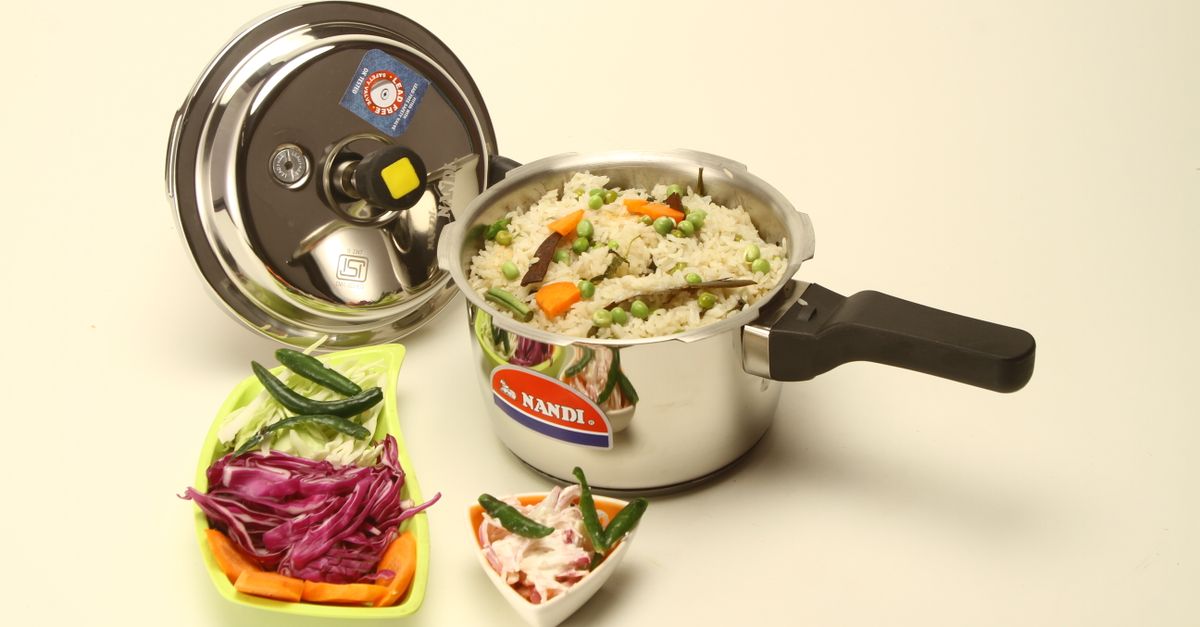
When deciding between a pressure cooker vs slow cooker for your kitchen, you are really choosing between two entirely different philosophies of home cooking. One appliance is built for speed, harnessing steam and trapped pressure to cook meals in minutes rather than hours. The other is designed for patient, unattended simmers, gently breaking down collagen and fibers over the course of a workday. Both earn their counter space, but they serve very different types of home cooks.
Understanding how these machines operate beneath the lid helps clarify their distinct advantages. While many modern electric multi-cookers now feature both settings, dedicated units and specialized modes handle tasks differently. To make an informed choice for your household, it helps to examine how they stack up across cooking speed, electricity consumption, countertop footprint, and everyday meal prep versatility.
The Core Mechanics: How Pressure and Time Diverge
The fundamental difference between these two appliances lies in physics. A traditional slow cooker operates well below the boiling point of water, usually maintaining a temperature between 190°F and 200°F. It relies on a heating element built into the base of the unit, which warms a heavy ceramic or stoneware insert. The heat transfers slowly into the food, and a loose-fitting glass lid allows some steam to escape while keeping moisture circulating inside.
An electric pressure cooker, on the other hand, creates a sealed, airtight chamber. As liquid inside the pot heats up and turns to steam, it cannot escape. This trapped steam increases the internal pressure, which raises the boiling point of water to roughly 250°F. Because the cooking temperature is significantly higher, heat penetrates food much faster. Tough cuts of beef, whole dried beans, and dense root vegetables that normally take hours to soften can be thoroughly cooked in a fraction of that time.
Beyond the basic temperatures, the thermal mass of each appliance dictates how they interact with ingredients. Slow cookers use thick stoneware crocks that absorb heat and radiate it evenly, minimizing hot spots. Pressure cookers rely on thin inner stainless steel pots that heat up rapidly. When you sear meat in a multi-cooker using its sauté function, the thin steel responds instantly to temperature adjustments, whereas a slow cooker crock cannot handle direct high-heat searing unless explicitly rated for stovetop use. This stark difference in materials shapes how you prep and layer your ingredients before closing the lid.
Cooking Speed: Instant Wins Versus All-Day Simmers
When speed is the primary metric, the pressure cooker wins decisively. Tasks that define weekend cooking become weeknight possibilities. Dried chickpeas that require overnight soaking and an hour of boiling on the stovetop can go straight from the pantry to the table in under an hour in a pressure cooker, with zero pre-soaking required. Tough chuck roasts, pork shoulders, and whole poultry are transformed into fork-tender meals in 45 to 60 minutes.
However, speed is not always the ultimate goal in cooking. The slow cooker thrives on passive time management. You load the ingredients in the morning—chopped vegetables, raw meat, broth, and seasonings—put the lid on, turn the dial, and walk away for eight hours. When you return, dinner is hot and ready to serve without any active kitchen time during your busiest evening hours. While a pressure cooker finishes the actual cooking process much faster, it often requires more active attention at the beginning and end of the cycle, including prep work, securing the lid, and managing the pressure-release phase.
Consider how different ingredients react to these distinct timelines. Starchy vegetables like potatoes and carrots hold their structural integrity better in a slow cooker over a long, gentle simmer if cut into large chunks. In a pressure cooker, the aggressive heat can easily turn overcooked root vegetables into mush if you do not precisely calibrate your cook times. Conversely, green vegetables like broccoli or peas added to a slow cooker turn drab and unappetizing over hours, whereas a pressure cooker can steam them perfectly in minutes if using a rapid-release basket.
Energy Consumption: Wattage, Runtime, and Real Utility
Home cooks frequently wonder about the electrical impact of running these appliances. Electric pressure cookers typically feature high-wattage heating elements, often ranging from 1000 to 1200 watts. When the appliance is heating up and building pressure, it draws a substantial amount of electricity. However, once it reaches operating pressure, the internal thermostat cycles the heating element on and off to maintain that pressure, meaning it does not draw maximum wattage continuously.
Traditional slow cookers use much lower wattage—usually between 150 and 300 watts on the low setting. At first glance, a 200-watt slow cooker seems dramatically more efficient than a 1000-watt pressure cooker. Yet, you must factor in total runtime. A slow cooker might run continuously for eight to ten hours, consuming steady electricity over a long period. A pressure cooker might run its high-wattage cycle for only 30 to 45 minutes total. When calculated out in kilowatt-hours, the energy difference between the two over the course of a single meal is often surprisingly small, making energy cost a minor factor compared to cooking performance and convenience.
Another factor worth considering is the thermal footprint in your kitchen during warmer months. Running a high-wattage appliance or keeping a slow cooker plugged in all day can subtly raise ambient room temperatures, forcing your home air conditioning system to work slightly harder. Because pressure cookers finish their jobs so quickly and vent steam in a controlled burst rather than a continuous slow release, they generally dump less cumulative ambient heat into small kitchen spaces.
Kitchen Footprint and Countertop Real Estate
Kitchen storage and counter space are perennial constraints for home cooks. Traditional slow cookers come in various shapes, but most feature an oval or round ceramic crock housed in a metal heating base with side handles. They are generally straightforward to store in a lower cabinet or pantry, though their heavy ceramic inserts require careful lifting and substantial shelf strength.
Electric pressure cookers require a bit more vertical clearance and specialized care. Because they build internal pressure, they require robust locking lids with silicone sealing rings, float valves, and steam-release mechanisms. These lids make the appliances top-heavy and taller than a standard slow cooker. Furthermore, you must ensure your countertop placement leaves enough overhead clearance away from upper cabinets, as the quick-release valve shoots a powerful column of hot steam straight upward when opened.
If you have limited counter space, dedicated appliances force you to choose what stays out permanently versus what lives in deep storage. While a dedicated slow cooker might get tucked away during weeks when you prefer roasting or grilling, a multi-cooker often earns permanent counter real estate because it replaces several single-use gadgets, acting as a rice cooker, steamer, yogurt maker, and sauté pan all in one chassis.
Meal Prep Versatility and Everyday Usability
For busy households focused on weekly meal prep, appliance versatility is a major selling point. Modern electric pressure cookers—often referred to as multi-cooker units—are essentially computerized kitchen hubs. Beyond pressure cooking, they frequently include dedicated modes for sautéing, steaming, rice cooking, yogurt making, and slow cooking. This means you can brown onions and sear meat right in the same pot before adding liquids and switching to pressure mode, reducing the number of dishes you have to wash.
Traditional slow cookers have a simpler job description. While some high-end models feature stovetop-safe inserts that let you sear ingredients on a burner first, most traditional cookers require a separate skillet if you want to develop browned flavors through caramelization. What traditional slow cookers lack in multifunctionality, however, they make up for in foolproof simplicity. With simple mechanical dials or basic digital timers, there are fewer error codes, sealing ring checks, or pressure-release techniques to master.
When planning weekly meal prep routines, think about how you portion your ingredients. Multi-cookers excel at batch-cooking grains, shredding poultry for tacos, and rendering rich broths from leftover bones in a fraction of the traditional time. Traditional slow cookers shine when you want to prep breakfast overnight—such as steel-cut oats or breakfast casseroles—or when you want a rich pot roast simmering while you are at work.
Food Texture and Flavor Development Differences
One of the most nuanced debates between pressure cooking and slow cooking centers on how flavors concentrate and how textures evolve. In a slow cooker, the loose-fitting lid allows a steady, gentle evaporation of moisture over several hours. This evaporation helps reduce sauces naturally, concentrating flavors and leaving behind thick, velvety gravies without requiring cornstarch or flour slurries.
Conversely, an electric pressure cooker operates in a sealed environment. Because steam cannot escape during the cooking cycle, virtually all the moisture you put into the pot stays in the pot. If you add three cups of chicken broth to a pressure cooker chili, you will end up with three cups of liquid plus whatever moisture released from the meat and vegetables. While this prevents delicate foods from drying out, it often means you must use less liquid initially or run a separate reduction step on the sauté setting after the pressure cooking cycle completes to achieve a thick, rich sauce.
Flavor development also benefits from browning. Because traditional slow cookers cannot sear ingredients, throwing raw meat and vegetables straight into the ceramic crock can yield a flatter flavor profile unless you take the time to brown your ingredients in a separate skillet beforehand. Electric multi-cookers eliminate this hurdle with built-in searing capabilities, allowing you to build foundational umami flavors right in the cooking vessel before locking the lid into place.
Safety, Sealing Rings, and Maintenance Requirements
Operating a high-pressure vessel requires attention to basic safety protocols that do not apply to traditional slow cookers. Modern electric pressure cookers feature multiple redundant safety mechanisms, including lid-lock sensors that prevent the unit from pressurizing if the lid is misaligned, and pressure-release valves designed to vent excess steam if internal limits are exceeded. However, user maintenance remains critical.
The silicone sealing ring nestled inside the lid of a pressure cooker is its most vital component. Over time, this ring absorbs food odors, stretches, or develops minor cracks that prevent the pot from building pressure. Home cooks must regularly inspect, clean, and occasionally replace this gasket. Furthermore, users must learn the difference between natural pressure release—letting the cooker depressurize slowly on its own over 15 to 20 minutes, which is ideal for meats to prevent tough texture—and quick release, which instantly blasts steam out of the valve to prevent delicate vegetables from overcooking.
Traditional slow cookers require minimal maintenance. There are no gaskets to replace, no valves to unclog, and no pressure sensors to calibrate. The ceramic insert can be washed by hand or placed in the dishwasher, and the exterior housing simply needs a quick wipe-down with a damp cloth. For cooks who prefer set-it-and-forget-it reliability with zero mechanical upkeep, the traditional slow cooker remains remarkably hassle-free.
Common Mistakes to Avoid with Both Appliances
Getting the best results from your countertop cooker requires avoiding a few common operational pitfalls:
- Ignoring liquid requirements: Pressure cookers require a minimum amount of thin liquid (usually at least one cup of water, broth, or sauce) to generate the steam necessary to build pressure. Running a pressure cooker dry can trigger safety shutoffs or scorch the bottom of the inner pot. Slow cookers also need adequate liquid, though they do not rely on steam pressure; however, overfilling them can lead to messy overflows.
- Overfilling the pot: Neither appliance should be packed to the brim. Pressure cookers generally have a fill line set at two-thirds capacity (or halfway for expanding foods like beans and grains) to prevent food from blocking the steam vent.
- Answering the wrong timing expectations: Do not attempt to use a pressure cooker for delicate foods that benefit from long, gentle reductions, such as complex sauces or delicate risottos, where constant stirring and monitoring yield superior textures.
- Neglecting maintenance: Pressure cooker sealing rings trap food odors and degrade over time. Failing to clean the valve assembly or replace worn silicone rings can prevent the pot from sealing properly.
- Lifting the slow cooker lid unnecessarily: Every time you remove the lid of a traditional slow cooker to check on your food, you release valuable heat and add roughly 15 to 20 minutes back to your total cooking time. Trust the process and keep the lid closed.
Frequently Asked Questions: Pressure Cookers vs. Slow Cookers
Can I use a slow cooker recipe in an electric pressure cooker?
Yes, but you cannot simply swap the cooking method without adjusting liquids and times. Slow cooker recipes generally call for more liquid because of evaporation. When converting a recipe to a pressure cooker, reduce the total liquid by roughly half, and decrease the cooking time to a fraction of the original—usually around 30 to 45 minutes for a standard beef stew.
Do electric pressure cookers really replace slow cookers?
Most modern electric pressure cookers feature a dedicated “slow cook” mode. While these digital settings work reasonably well, some culinary purists note that multi-cooker heating elements tend to heat from the bottom rather than wrapping around the sides like traditional ceramic slow cookers. For most weeknight meals, however, the slow cook function on a multi-cooker performs admirably.
Which appliance is safer to leave unattended?
Traditional slow cookers are designed to run unattended for an entire workday while you are away from home. While modern electric pressure cookers feature advanced safety shutoffs, standard culinary safety guidelines generally advise against leaving a high-pressure appliance completely unsupervised while it is actively cooking or releasing steam.
Making Your Decision: Which Appliance Fits Your Kitchen?
The choice between a pressure cooker and a slow cooker ultimately depends on how your household approaches mealtime. If you work long hours away from home, value the routine of loading a pot in the morning to return to a hot meal, and primarily cook comforting braises, soups, and large cuts of meat, a traditional slow cooker remains a reliable, straightforward companion.
If your schedule is unpredictable, you frequently forget to thaw meat ahead of time, or you want a single appliance that can speed up weeknight dinners while also handling rice, steam, and sauté tasks, an electric pressure cooker is the more flexible investment. For many modern kitchens, a multi-cooker offering both pressure and slow-cooking modes provides the best of both worlds without requiring duplicate counter space.