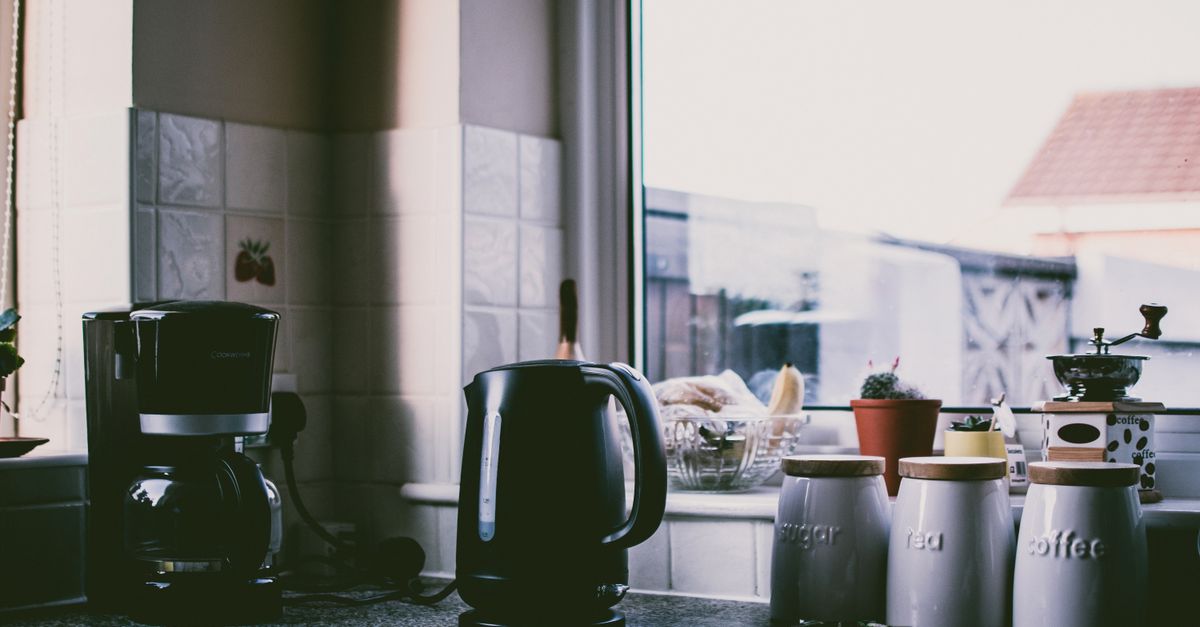
When upgrading your kitchen morning routine, evaluating a pod coffee maker vs drip machine is one of the most practical appliance decisions you can make. The daily coffee maker sits on valuable real estate, demands counter space, and dictates how you spend your first waking minutes. Do you want a piping-hot single cup immediately with zero cleanup, or are you brewing a full pot for multiple people using freshly ground beans that yield a richer taste and lower cost per serving?
Both appliance categories have evolved far beyond their basic predecessors. Modern pod systems incorporate milk frothers, adjustable brew strengths, and multi-size carafes, while standard drip makers feature programmable timers, integrated burr grinders, and precise thermal carafes that keep coffee hot without scorching it on a hotplate. Understanding how these machines differ in daily operation helps you invest your money wisely.
Countertop Footprint and Kitchen Space Allocation
Counter space is at a premium in almost every kitchen, making appliance dimensions a vital consideration. When looking at a pod coffee maker vs drip machine, the physical footprint often dictates the winner for smaller apartments, galley kitchens, or crowded coffee bars.
Standard single-serve pod machines generally boast a narrow, vertical design. Their base dimensions are often quite small—sometimes only five to six inches wide—though they require adequate overhead clearance if the top-loading water reservoir or pod chamber opens upward. They tuck easily into awkward corners or beneath low upper cabinets, provided you can pull them forward slightly to refill the water tank.
Traditional 12-cup drip machines, on the other hand, usually have a wider, squarer footprint. While they do not require as much vertical clearance to load coffee grounds into a front-facing or pull-out basket, their base takes up significantly more horizontal counter space. If you have a dedicated coffee station, a standard drip maker fits nicely. If your kitchen features limited counter space shared with toasters, blenders, and air fryers, a slim pod machine creates less visual and physical clutter.
Furthermore, consider the ancillary storage required for each machine. Pod systems demand dedicated drawer space or countertop carousels to hold plastic or aluminum coffee capsules, which can quickly clutter a neat kitchen. Drip machines, conversely, require space for bags of whole or ground coffee and paper filters. While coffee bags stack easily in a pantry, a sprawling tower of coffee pods requires dedicated spatial planning.
Brewing Speed and Morning Workflow
Mornings move fast, and the time elapsed between pressing the power button and taking your first sip is a major factor in daily satisfaction. In terms of sheer speed, single-serve pod machines dominate the conversation.
A standard pod brewer heats water on demand, taking roughly 45 to 90 seconds to deliver a single, steaming cup of coffee straight into your mug. There is no filter to rinse, no wet coffee grounds to scoop into the trash, and no carafe to wash. You simply lift the handle, drop in a pod, press start, and walk away. For busy professionals or households where everyone wakes up at different times and wants a different flavor profile, this on-demand workflow is unbeatable.
Drip machines operate on a different timeline. Brewing a full 12-cup pot typically takes between 8 and 12 minutes. While you can program many modern drip machines the night before so a fresh pot is waiting when you wake up, making an ad-hoc single cup or a half-pot takes noticeably longer than a pod machine. However, if your household drinks multiple cups per person, brewing one large pot is ultimately more efficient than standing at a pod machine brewing four separate single-serve cups back-to-back.
Workflow also involves human error and morning grogginess. A pod machine requires minimal mental bandwidth: insert pod, press button, enjoy. A traditional drip machine requires measuring out correct coffee-to-water ratios, ensuring the filter is seated properly, and remembering to empty the grounds afterward. For households running on autopilot before their first caffeine fix, the foolproof nature of a pod brewer reduces early-morning friction.
Cost-per-Cup Economics: Pods vs. Loose Grounds
While convenience drives many shoppers toward pod machines, operating costs tell a different story over the lifespan of the appliance. Evaluating the long-term economics of a pod coffee maker vs drip machine reveals a stark contrast in ongoing household expenses.
Single-serve coffee pods generally translate to a higher cost per ounce. When you calculate the price per pod—whether proprietary plastic capsules or reusable mesh inserts filled with your own coffee—you typically pay significantly more per cup than you would using bulk ground coffee or whole beans. Over months and years of daily use, this price difference adds up quickly, especially in multi-coffee-drinker households.
For instance, single-serve pods often range from $0.50 to $1.20 per capsule depending on the brand and roast quality. In contrast, quality whole-bean coffee purchased in 12-ounce or 2-pound bags generally yields a cost between $0.15 and $0.35 per cup, even when opting for specialty artisan roasts. If a household consumes three cups of coffee daily, the annual expenditure on pods can easily double or triple the cost of buying bulk beans and brewing via a standard drip machine.
Traditional drip machines use standard paper filters and bulk coffee. Purchasing coffee beans or pre-ground bags by the pound drastically lowers your cost per cup. Furthermore, drip machines offer scaling flexibility: you can brew exactly the amount you need without paying a premium for single-serving packaging.
Hybrid and Dual-Brew Machines: The Best of Both Worlds?
For undecided buyers torn between a pod coffee maker vs drip machine, appliance manufacturers have introduced hybrid models designed to bridge the gap. These dual-function units feature a traditional 12-cup glass or thermal carafe on one side and a single-serve pod brewing head on the other.
While hybrid machines solve the dilemma of hosting weekend guests with a full pot while enjoying a quick single cup on busy weekday mornings, they come with distinct trade-offs. First, their physical footprint is considerably larger than either standalone appliance. A dual-brew unit demands significant horizontal counter space, which can overwhelm smaller kitchens. Second, if one side of the machine malfunctions—such as the electronic pump on the pod side or the heating element on the drip side—you may have to service or replace the entire appliance.
Evaluating whether a hybrid unit makes sense depends entirely on your household diversity. If one partner strictly drinks dark roast pods while the other insists on a full pot of light roast drip coffee every morning, a hybrid machine eliminates countertop clutter caused by housing two separate appliances side by side.
Flavor Quality and Customization
Coffee aficionados often have strong opinions regarding pod coffee maker vs drip machine brewing mechanics. The quality in your cup depends heavily on water temperature, extraction time, and coffee freshness.
Traditional drip brewers shine when paired with freshly ground whole beans. Grinding beans immediately before brewing releases aromatic oils that stale pre-ground coffee or sealed pods lose over time. High-end drip machines also reach optimal extraction temperatures and shower water evenly over a flat-bottom or cone-shaped filter bed, extracting a balanced, full-bodied flavor profile.
Pod machines offer consistency rather than artisanal depth. Because the coffee is sealed inside individual packages—often nitrogen-flushed to preserve freshness—every cup tastes identical. While some premium pod systems use higher pressure or specialized extraction technologies, they rarely match the complex flavor notes of a properly brewed batch of freshly ground single-origin beans. However, for everyday morning coffee with creamer or milk, many casual drinkers find pod coffee entirely satisfying.
Moreover, drip machines give you total control over extraction variables. You can experiment with coffee-to-water ratios, adjust grind size if your machine has an integrated grinder, and choose different paper filter types (such as bleached versus unbleached paper) that subtly influence body and clarity. Pod machines lock you into predetermined coffee doses and water volumes, leaving little room for personalized flavor tuning.
Water Temperature, Extraction Science, and Technical Performance
Behind the sleek exterior housing of any coffee maker lies rigorous thermal engineering. The Specialty Coffee Association (SCA) notes that optimal water temperature for brewing coffee sits between 195°F and 205°F. How well a pod coffee maker vs drip machine meets these thermal standards directly impacts extraction efficiency.
Standard drip machines rely on a heating element coupled with an aluminum heating tube (often called a thermoblock). Water passes through the tube, heats rapidly, and is pumped up to a showerhead that drips over the coffee bed. Entry-level drip machines sometimes struggle to maintain consistent water temperatures throughout the entire brewing cycle, occasionally failing to reach the threshold needed to extract optimal flavors without bitterness. However, certified high-end drip brewers incorporate PID controllers and precision heating elements to maintain stable, ideal water temperatures from the first drop to the last.
Pod machines, by design, excel at immediate thermal responsiveness because they heat only the precise amount of water needed for a single cup on demand. Utilizing high-pressure pumps or rapid-flow thermoblocks, they quickly bring water to brewing temperature. Yet, because the water passes through a tightly packed pod in seconds, the extraction time is inherently brief. This rapid contact time can result in a brew that lacks the nuanced depth achieved by the prolonged saturation time found in a quality drip machine.
Maintenance, Cleaning, and Durability
Every kitchen appliance requires routine maintenance to function properly, but the cleaning routines for pod brewers and drip machines differ substantially.
Pod machines require frequent descaling due to their internal heating elements and narrow water tubes, which accumulate mineral deposits quickly. If you live in an area with hard water, neglecting descaling will rapidly clog the delicate needles and pumps. However, daily cleanup is minimal: you discard the used pod and occasionally wipe down the drip tray and needle housing. There are no carafes to scour or wet paper filters to haul to the trash.
Drip machines require washing the glass or thermal carafe and discarding the wet filter and grounds after every use. Over time, coffee oils build up inside the carafe and brew basket, requiring periodic deep cleaning with vinegar or specialized detergents. Mechanically, however, simple drip makers have fewer complex electronic valves and pumps than modern pod brewers, often translating to a longer usable appliance lifespan.
Environmental Impact and Waste
For environmentally conscious homeowners, the waste generated by daily coffee brewing is an important decision criterion.
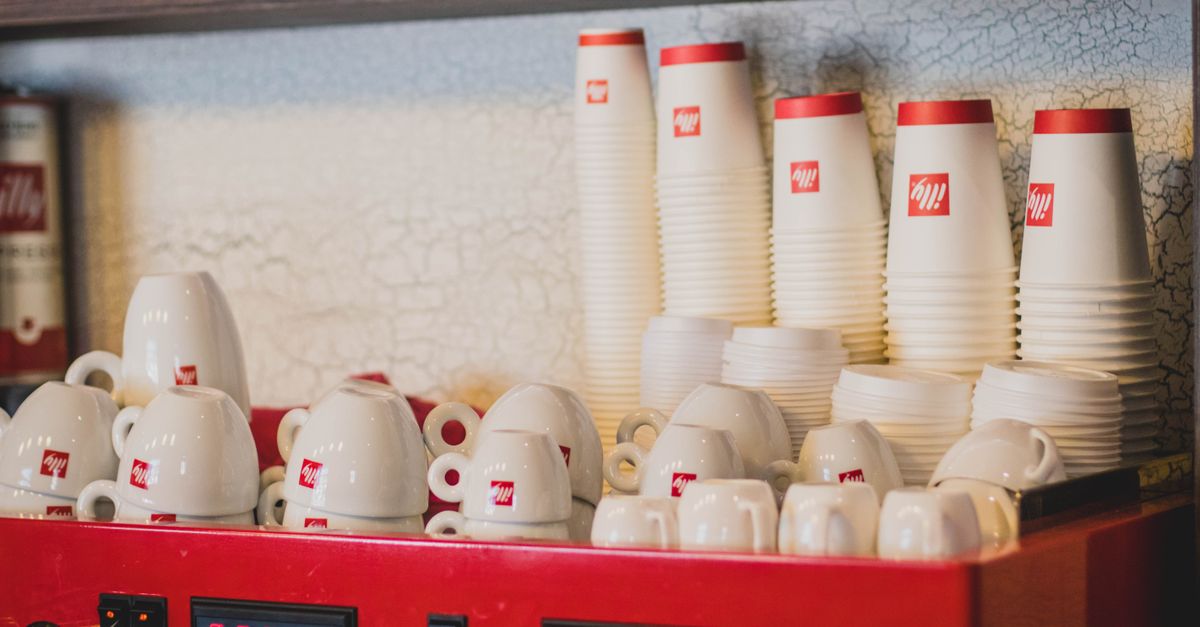
Single-serve pod systems have historically faced criticism for contributing single-use plastic and aluminum packaging to landfills. While many manufacturers now offer recyclable pods or biodegradable filters, sorting, rinsing, and recycling these small components requires extra effort. Using a reusable refillable pod mitigates this issue entirely, but it sacrifices some of the speed and convenience that makes pod brewing attractive in the first place.
Drip machines generate minimal daily waste. Paper filters are compostable, and spent coffee grounds make an excellent nitrogen-rich addition to home gardens. Even if you use a permanent gold-tone metal filter, the only ongoing waste is the coffee grounds themselves.
Managing Hard Water: Descaling Realities
Mineral buildup is the silent killer of modern kitchen appliances. Whether you choose a pod coffee maker vs drip machine, managing calcium and magnesium accumulation is essential for longevity.
Pod machines feature intricate internal tubing, narrow injector needles, and precision solenoid valves. When hard water flows through these tight spaces, mineral scale accumulates rapidly, leading to sputtering brewers, reduced cup volumes, or complete machine failure. Consequently, pod machine owners must diligently run commercial descaling solutions through the appliance every two to three months.
Drip machines also suffer from scale buildup on their internal heating tubes, which can slow down brew times or cause the water to sputter in the reservoir. However, their wider tubing and simpler internal pathways make them slightly more forgiving. Furthermore, cleaning a glass or thermal drip carafe is straightforward compared to clearing a blocked pod-piercing needle.
Frequently Asked Questions (FAQ)
Are reusable pods a good compromise for pod machines?
Yes. Reusable stainless steel or mesh pods allow you to use your own fresh-ground coffee in a single-serve machine, significantly cutting down on ongoing costs and packaging waste. However, they do require washing after every use, which removes part of the effortless workflow associated with disposable pods.
Can drip machines make a single cup of coffee?
Most standard 12-cup drip machines do not brew a single cup well because the large surface area of the filter basket causes water to rush past a small amount of grounds, resulting in weak extraction. If you want single-cup flexibility from a drip brewer, look for models featuring a specific ‘small batch’ or ‘1-4 cup’ setting.
Do thermal carafes make a noticeable difference in drip machines?
Thermal carafes use double-walled stainless steel to keep coffee hot for hours without a heating plate. Glass carafes sit on a hotplate that can scorch remaining coffee and give it a burnt taste after 30 minutes. If you brew a full pot and drink it slowly throughout the morning, a thermal carafe is well worth the upgrade.
Decision Framework: Which Machine Fits Your Lifestyle?
Selecting the right appliance ultimately depends on your household habits. Use this checklist to determine whether a pod system or a drip brewer belongs on your counter:
- Choose a pod coffee maker if: You live alone or with someone who drinks coffee at entirely different times, you prioritize speed above all else, you value zero-mess cleanup, and you enjoy easily switching between different coffee flavors or tea brands throughout the day.
- Choose a drip coffee maker if: You brew multiple cups every morning, you prefer the taste of freshly ground whole beans, you want to keep your long-term beverage costs as low as possible, and you prefer generating less packaging waste.
By weighing your daily schedule, available counter space, and long-term budget against the operational realities of each machine, you can choose a reliable kitchen companion that delivers a great cup of coffee every single morning.