Renting an apartment without in-unit laundry connections is a classic urban compromise. Between weekly trips to the local laundromat, hauling heavy baskets down hallways, and feeding quarters into shared basement machines, the chore can quickly consume a significant chunk of your weekend. For many renters, a portable clothes washer presents an appealing shortcut. But before you drop several hundred dollars on a compact appliance, it helps to understand how these machines actually operate, how they hook up to your apartment’s plumbing, and whether their cleaning power matches your day-to-day laundry needs.
As you navigate this portable clothes washer buyer guide, we will walk through the realities of space, water pressure, drainage, cycle performance, electrical safety, and everyday usability. By the end, you will have a clear framework to decide if a compact top-load or twin-tub machine makes sense for your living situation—or if you are better off sticking with shared facilities.
How Portable Clothes Washers Work
At a fundamental level, a portable washing machine performs the same core function as a standard, full-size top-load washer: it agitates clothes in soapy water, rinses them, and spins out excess moisture. The primary difference lies in their size, mobility, and temporary plumbing setup.
Standard washing machines require permanent water supply lines (hot and cold) bolted to dedicated wall valves, a rigid drain pipe connected to your home’s main plumbing stack, and a dedicated 240-volt or heavy-duty 120-volt electrical circuit. Portable washers, by contrast, are engineered for flexibility. They typically feature built-in caster wheels or lightweight handles, run on standard 120-volt household outlets, and rely on flexible hoses that temporarily attach to existing sink faucets.
Most models use an internal agitator or impeller to move clothes through water. Capacities generally range from 0.9 cubic feet to 1.6 cubic feet, which translates roughly to about 5 to 10 pounds of dry laundry per load. While this is certainly smaller than a standard family-sized washer, it is more than enough space for a week’s worth of daily work clothes, undergarments, and workout gear for a single person or a couple. Operating these units requires you to be slightly more intentional about how you plan your weekly chores, breaking down massive loads into smaller, manageable batches.
Evaluating Washing Performance and Cleaning Power
One of the most common questions apartment renters ask is whether these compact machines actually get clothes clean. The short answer is yes, provided you manage your expectations regarding load size and detergent use.
Because portable washers have smaller drums and less powerful motors than their full-sized counterparts, overloading is the number one cause of poor washing performance. If you stuff a 1.5-cubic-foot drum to the brim with heavy towels and thick jeans, the water and detergent cannot circulate freely, leaving clothes smelling less than fresh. When used correctly—loading items loosely so they can move through the water flow—compact washers remove everyday dirt, sweat, and minor stains effectively.
Temperature control is another factor to consider. Many portable models hook up to a single faucet (usually cold) and feature internal heating elements, or they require you to attach a dual-hose setup to both hot and cold sink faucets. If you purchase a single-hose model, the machine will draw whatever water temperature is flowing from that specific tap. If you connect it to a cold tap, your wash cycle will be cold-water only, which means you will want to select laundry detergents specifically formulated to dissolve and clean effectively in cold water without leaving a chalky residue on dark fabrics.
Plumbing, Hookups, and Faucet Compatibility
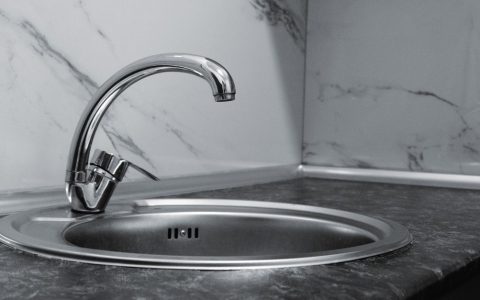
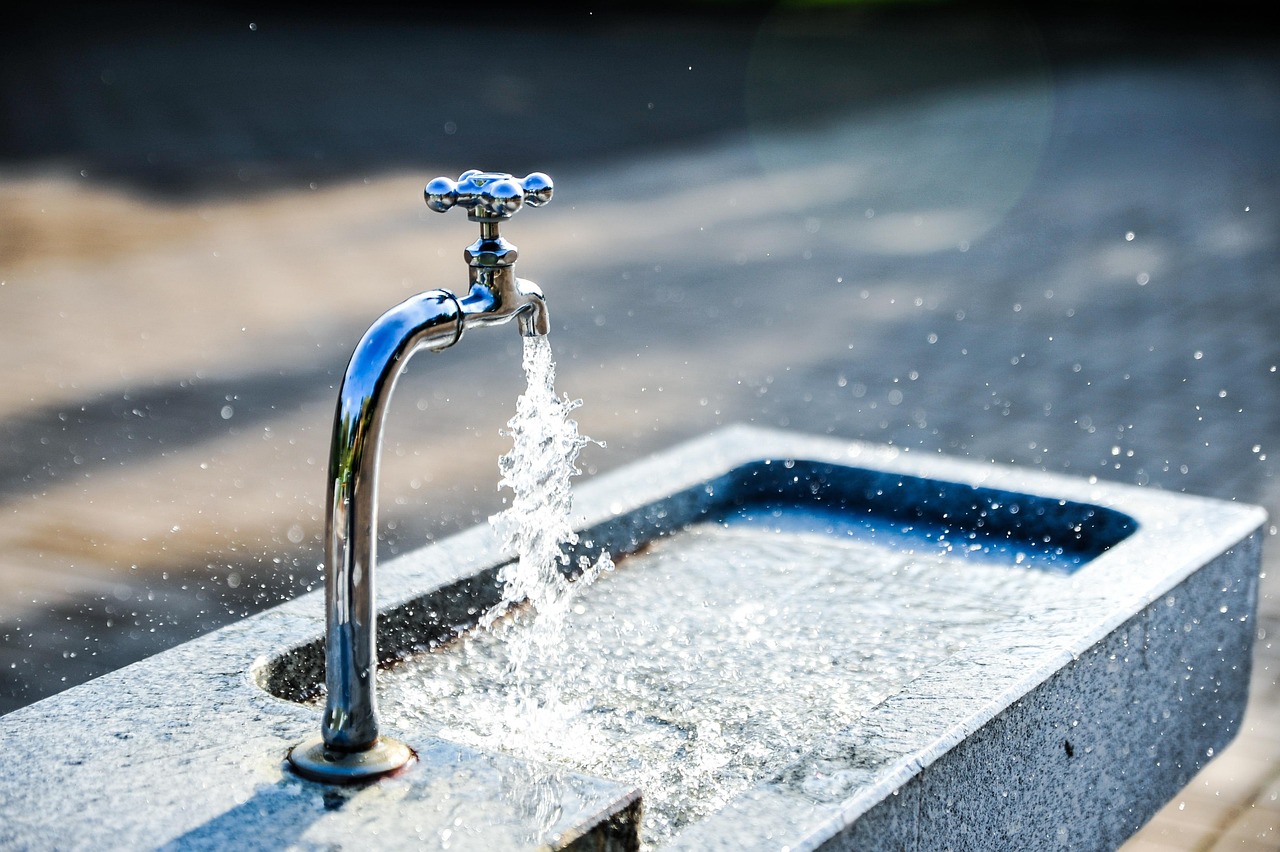
The biggest hurdle for renters is figuring out how to supply water to the machine without angering a landlord or causing an indoor flood. Fortunately, portable washers are designed to work with standard kitchen and bathroom faucets using a specialized brass or plastic quick-connect adapter.
The installation process typically looks like this:
- Unscrew the aerator tip from the end of your apartment sink faucet.
- Screw the threaded quick-connect adapter onto the faucet spout.
- Snap the water supply hose from the portable washer onto the adapter until it clicks securely into place.
- Turn on both the hot and cold faucet handles fully (the machine’s internal valves will regulate water intake based on your cycle settings).
Before buying, you must inspect your apartment’s faucets. Pull-out sprayers, commercial-style pull-down faucets, and non-standard or designer spouts often cannot accept standard quick-connect adapters. If your kitchen or bathroom has one of these fixtures, you may need to temporarily swap the faucet head out for a standard threaded model during your tenancy, or rely entirely on a utility sink if your building provides one in a common laundry area. Additionally, check the threading size on your faucet: most standard faucets use either regular or fine threading, and matching your adapter correctly prevents embarrassing leaks during mid-cycle fills.
Drainage Options and Water Management
Getting water into the machine is only half the battle; you also have to get it out. Portable washers use an internal drain pump to push wastewater out through a flexible drain hose. You generally have two primary methods for managing this drainage in an apartment:
Sink Drainage: The most common method involves securing the end of the drain hose over the edge of your kitchen sink or bathtub using a specialized U-shaped plastic hook. As the machine finishes its wash or rinse cycle, the pump activates and discharges the water directly down the drain.
Standpipe Drainage: If your apartment features a dedicated laundry closet stub, a utility sink, or a floor drain, you can route the hose directly into that pipe. However, because most apartments without laundry hookups lack standpipes, relying on the kitchen sink or bathtub is the standard approach.
Always verify the height limit of the drain hose. If you place the end of the hose too high—such as trying to pump water up into an elevated wall-mounted basin—the internal pump may struggle, leading to incomplete drainage or motor strain. Furthermore, always make sure the U-bracket is securely fastened to the sink rim; the high-pressure surge of water leaving the pump can easily dislodge a loose hose, spraying wastewater across your kitchen floor.
Space Planning and Physical Constraints
Before ordering a portable washing machine, take out a tape measure and evaluate your floor plan. While these machines have a small footprint—usually around 20 to 24 inches wide and deep—they still require dedicated clearance.
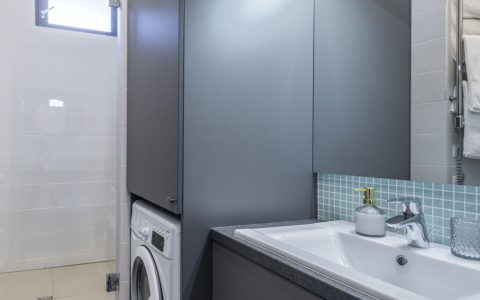
Consider where the machine will live when it is not in use. Many renters store their portable washer inside a hallway closet, a walk-in wardrobe, or a corner of the kitchen, and then wheel or carry it to the sink area on laundry day. Measure your doorways, hallway turns, and storage closet openings to ensure the appliance can actually fit through them without scraping doorframes or damaging baseboards.
You also need to account for proximity to plumbing. Most standard appliance hoses provided with these units are between 3 and 6 feet long. If your ideal storage spot is on the far side of the kitchen from your sink, you may need to purchase longer extension hoses or use a rolling cart to bring the machine closer during operation. Keep in mind that a full machine weighs considerably more, so ensure your flooring can handle the rolling motion if you use caster wheels.
Spin Speeds and Air-Drying Realities
A crucial distinction between a standard washer-dryer setup and a portable laundry routine is how clothes are dried. Portable washers do not dry clothes; at best, they feature a high-speed spin cycle designed to extract as much liquid as possible.
Spin speeds for portable units typically range from 700 to 900 RPM. While this is fast enough to leave garments damp rather than dripping wet, it is generally lower than the 1,200+ RPM speeds found in modern, high-efficiency front-load machines. As a result, your clothes will retain more moisture when you pull them out.
Because most apartments do not vent externally for a traditional clothes dryer, you will need to plan for air-drying your laundry. Investing in a sturdy folding drying rack, an over-the-door drying rack, or utilizing ceiling-mounted drying bars is essential. Keep in mind that drying a full load of laundry indoors will release moisture into your apartment air, making adequate ventilation or the use of a dehumidifier important during humid months to prevent mildew growth on apartment walls and ceilings.
Comparing Top-Load Agitator Models vs. Twin-Tub Washer-Spinners
When shopping for a portable machine, you will generally encounter two distinct design categories: fully automatic top-load washers and manual twin-tub washer-spinners. Understanding the trade-offs between them can save you frustration.
Fully Automatic Top-Loaders: These function just like miniature versions of traditional washing machines. You connect the water hose, select your water level, wash time, and cycle type on an electronic or dial control panel, and the machine fills, agitates, drains, and spins automatically through the entire program. They require minimal supervision once started.
Twin-Tub Washer-Spinners: These feature two separate tubs side by side—one for washing and one for centrifugal spinning. They are often semi-automatic, meaning you may need to manually fill the wash tub with a bucket or a hose, drain the water yourself, and physically transfer wet clothes from the wash tub into the spin basket. While they require more hands-on labor, twin-tub models are typically lighter, cheaper, use less electricity, and can be used in locations without steady water pressure.
Electrical Considerations and Safety
Because portable washing machines draw significant electrical current during their agitation and spin cycles, proper power management is essential to prevent tripped breakers or electrical hazards in older apartment buildings.
Most portable units operate on standard 120-volt circuits. However, you should always plug the machine directly into a wall outlet rather than relying on extension cords or power strips, which can overheat under continuous electrical loads. If your bathroom or kitchen lacks a Ground Fault Circuit Interrupter (GFCI) outlet, use a heavy-duty portable GFCI adapter to protect against electrical shock in wet environments. Always verify that your apartment circuit can handle the load, especially if you are running other high-wattage appliances like a microwave or coffee maker on the same circuit.
Long-Term Maintenance and Mold Prevention
Keeping a portable washing machine running smoothly for years requires basic ongoing maintenance. Because these machines live in tight spaces and deal with standing moisture, they are prone to musty odors and mold buildup if neglected.
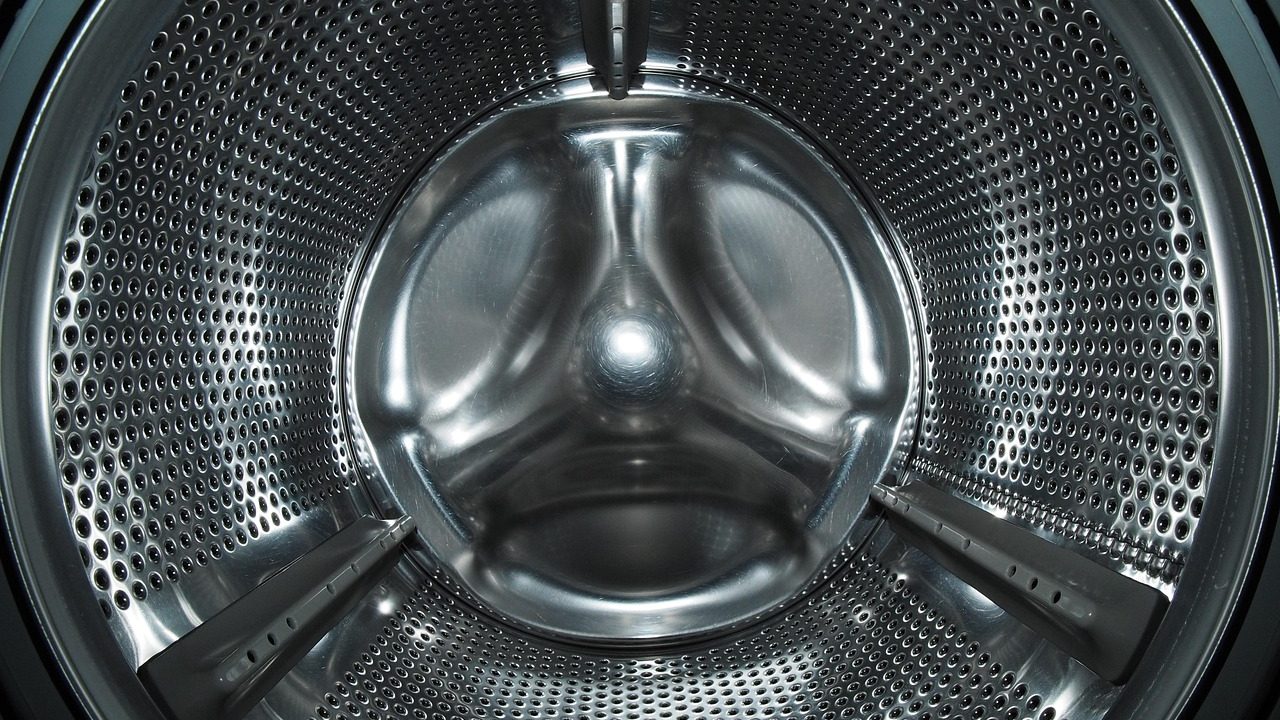
After every laundry session, leave the lid or door open for several hours to let the interior drum dry out completely. Wipe down the rubber gaskets, detergent dispensers, and rim areas regularly with a cloth. Once a month, run an empty hot-water cycle using specialized washing machine cleaner or a cup of white vinegar to dissolve mineral deposits, detergent buildup, and hidden mildew inside the outer tub.
Common Mistakes to Avoid
First-time portable washer owners frequently run into avoidable operational pitfalls. Keeping these common mistakes in mind will protect your apartment and your appliance:
- Leaving the faucet connected under pressure: Always turn off the water supply at the wall or faucet handles after your laundry cycle finishes. Leaving supply hoses under constant water pressure can cause hose ruptures or fitting failures that lead to severe water damage.
- Ignoring leveling feet: Portable washers vibrate during the high-speed spin cycle. If the machine is resting on uneven flooring, it will walk across the room or rattle loudly. Always adjust the leveling feet until the unit is completely stable.
- Using regular high-sudsing detergent: Because portable washers use much less water than standard machines, using standard liquid or powder detergent will create an excess of suds that the machine cannot rinse away. Always use high-efficiency (HE) detergent in minimal amounts.
- Overloading the drum: Jamming extra clothes into the tub prevents proper agitation and puts excessive stress on the motor and transmission bearings.
Frequently Asked Questions
Can I leave my portable washer hooked up permanently in the kitchen? While some renters configure a permanent plumbing bypass with a Y-valve, leaving supply hoses attached under pressure is risky for renters. It is best practice to disconnect the hoses after every use to prevent accidental leaks while you are away from home.
How much water does a portable washing machine use? Most compact washers use between 10 and 20 gallons per complete cycle, significantly less than older full-sized machines, making them relatively efficient for water consumption.
Will a portable washer damage my apartment floors? As long as the unit is properly leveled and not leaking, it will not damage standard flooring. However, placing a rubber waterproof mat underneath the machine provides an extra layer of insurance against minor drips or condensation.
Making Your Final Decision
Deciding to purchase a portable clothes washer comes down to balancing convenience, cost, and physical space. If you are tired of spending hours at the laundromat every weekend, hate hauling heavy detergents through public spaces, and have a compatible sink and storage spot in your apartment, a portable washing machine can transform your routine.
By selecting a model that matches your household size, verifying your faucet compatibility, managing your electrical and drainage setup properly, and setting up a reliable air-drying system, you can enjoy clean clothes on your own schedule without violating your lease or dealing with permanent plumbing installations.