Bringing home a pair of indoor guinea pigs introduces a rewarding routine of gentle companionship, but these popular small pets require specific, highly specialized care. Because guinea pigs are prey animals, their instincts dictate how they react to everyday handling, loud noises, and changes in their environment. As an owner, building a sustainable wellness routine is the best way to ensure a long, healthy life for your pets. Whether you are establishing your first habitat or preparing for a routine checkup, this guinea pig health care guide provides the practical foundation you need to keep your animals thriving.
Understanding your guinea pig’s daily needs goes beyond simply filling a food bowl and cleaning the cage. It requires an active partnership with an exotic animal veterinarian, careful observation of subtle behavioral changes, and a commitment to low-stress handling practices. By focusing on preventive medicine, proper nutrition, and calm socialization, you can significantly reduce the risk of common illnesses and make necessary veterinary visits far less stressful for both you and your pets.
The Foundations of Indoor Guinea Pig Wellness
Maintaining a healthy indoor guinea pig starts with creating a stable, safe habitat. Guinea pigs are sensitive to extreme temperatures, high humidity, and poor ventilation. Keep their enclosure in a quiet, draft-free area of your home where household temperatures remain consistently between 65 and 75 degrees Fahrenheit. Bedding choice also plays a major role in respiratory health; avoid dusty cedar or pine shavings, which contain aromatic oils that can irritate sensitive lungs. Instead, opt for kiln-dried pine, paper-based bedding, or washable fleece liners that are cleaned and changed frequently to prevent ammonia buildup from urine.
Beyond the physical enclosure, mental and physical stimulation is vital. Guinea pigs are social herd animals that should always be kept in same-sex pairs or neutered groups. Solitary guinea pigs frequently exhibit signs of depression, lethargy, and stress. Provide plenty of tunnels, hideaways, and safe wooden chew toys to satisfy their natural instincts to burrow and wear down their continually growing teeth. Routine habitat maintenance, including spot-cleaning daily and deep-cleaning weekly, prevents bacterial growth and keeps foot pads healthy, minimizing the risk of painful conditions like bumblefoot.
Creating an enriching indoor environment also means paying close attention to flooring textures and cage dimensions. Commercial pet store cages are frequently too small for active guinea pigs. Aim for a minimum of 7.5 square feet of floor space for a single pair, though 10.5 square feet or more is vastly superior. Wire-bottom floors should be completely avoided because they cause severe trauma to delicate foot pads, leading directly to pododermatitis (bumblefoot). Provide solid flooring covered with soft bedding or multi-layered fleece that wicks moisture away from the surface, keeping your pets dry and comfortable throughout the day.
Additionally, thoughtful habitat design incorporates vertical space through ramps and sturdy platforms, provided the incline is gentle enough for short legs to navigate safely. Enclosures should be situated out of direct sunlight and away from household appliances like televisions, refrigerators, or washing machines, whose low-frequency vibrations can cause chronic background stress for sensitive prey animals. Routine cage checks should also inspect for sharp edges, exposed chewable plastics, or unstable accessories that could trap a head or a foot.
Mastering Low-Stress Daily Handling Techniques
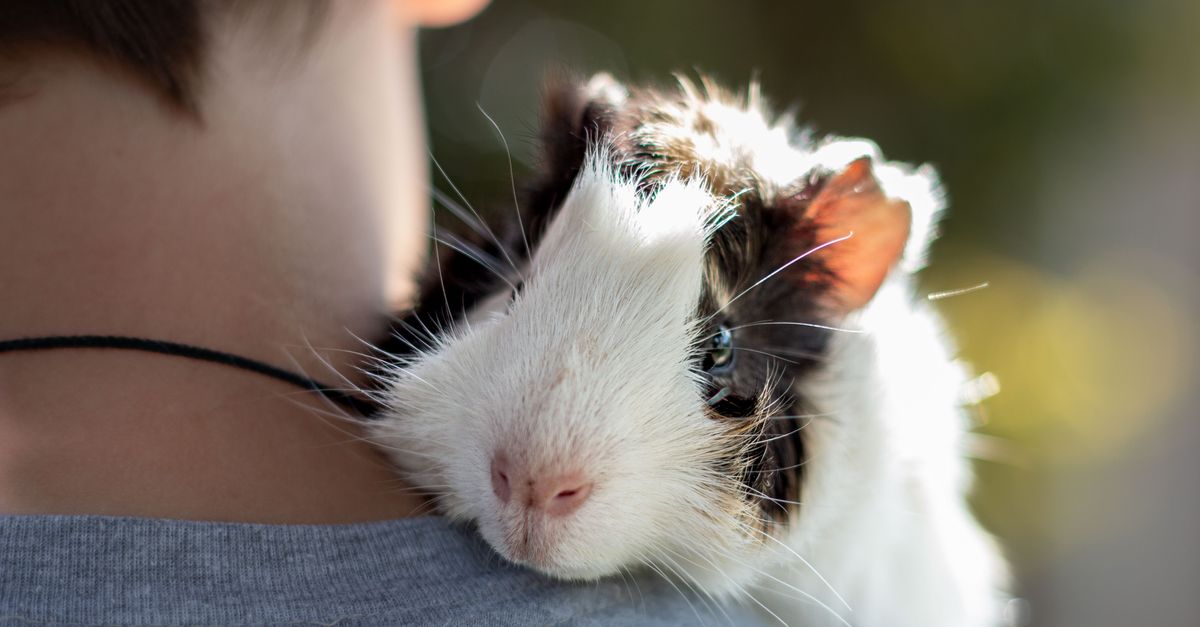
Because guinea pigs are prey animals in the wild, their first instinct when approached from above is to freeze, flee, or panic. Sudden movements, loud noises, and clumsy lifting can trigger a strong fear response, potentially leading to injuries if the animal leaps from your hands. Establishing a calm, predictable handling routine is essential for building trust and ensuring that routine health checks do not become traumatic events.
When picking up your guinea pig, always approach slowly while speaking in a soft, reassuring tone. Place one hand firmly but gently around the chest and shoulders, and use your other hand to scoop underneath and support the hindquarters. Never pick up a guinea pig by its middle or attempt to grab it by the scruff, as this provides zero structural support for their delicate spinal columns. Bring the animal close to your chest immediately after lifting, as this mimics the security of a burrow and helps them feel grounded and safe.
Incorporate handling into short, daily sessions rather than sporadic, prolonged interactions. Reward calm behavior with a small piece of leafy green vegetable or a healthy treat. This positive reinforcement teaches your guinea pig to associate human contact with safety and delicious rewards. Consistent, gentle handling also makes it much easier to perform essential grooming tasks, such as brushing long-haired breeds, trimming nails, and checking ears for signs of debris or mites.
Desensitizing your guinea pig to human touch requires patience and consistency. Start by simply placing your hand inside the enclosure without making any sudden moves, letting them sniff and investigate your fingers voluntarily. Once they are comfortable with your hand present, gently stroke their cheeks and shoulders where they naturally groom each other in a herd. Avoid reaching directly over their heads from straight above, as this mimics the shadow of a hawk or predatory bird. Instead, approach from the side at eye level whenever possible to keep their field of vision clear and reduce startle reactions.
Building trust further involves floor time outside the main enclosure. Set up a secure, enclosed playpen in a quiet room, scatter tunnels and hay piles, and sit quietly among them while offering small treats by hand. Over time, your guinea pigs will learn to climb onto your lap or approach you voluntarily, transforming mandatory handling sessions into positive bonding opportunities.
Crucial Nutritional Support: Vitamin C and Fiber
Nutrition is the cornerstone of lifelong guinea pig health. Unlike many other mammals, guinea pigs cannot synthesize their own vitamin C. A dietary deficiency quickly leads to scurvy, a painful and potentially fatal condition characterized by joint stiffness, lethargy, rough coat texture, and spontaneous bleeding. To prevent this, your guinea pig’s daily diet must include a reliable, continuous source of vitamin C.
Commercial guinea pig pellets fortified with stabilized vitamin C provide a solid baseline, but pellets alone are insufficient. Fresh, clean timothy hay should make up the vast majority of their daily intake, providing essential fiber for proper gastrointestinal motility and mechanical abrasion to wear down their continuously growing molars and incisors. Supplement these staples with a daily rotation of fresh, vitamin-C-rich vegetables such as bell peppers, cilantro, parsley, and leafy green lettuces like romaine or red leaf. Avoid high-sugar fruits and starchy vegetables, as these can disrupt the delicate balance of beneficial bacteria in the hindgut.
Water intake is equally critical. Always provide fresh, clean water via a heavy ceramic bowl or a securely mounted water bottle. Check the sipper tubes daily to ensure they are not clogged with food particles or mineral deposits. Adding liquid vitamin C supplements to water bottles is generally discouraged by veterinarians, as the vitamin degrades rapidly when exposed to light and air, rendering the dose ineffective while potentially making the water taste unpalatable, which can lead to dangerous dehydration.
When selecting commercial pellets, look for plain, uniform pellets rather than colorful mixes containing seeds, dried fruit, and colored bits. Mixed diets encourage selective feeding, where guinea pigs pick out the sugary pieces and leave behind the nutritious pellets, leading to nutritional imbalances and obesity. Ensure your hay is bright green, sweet-smelling, and free of mold or dust. Unlimited access to grass hay is non-negotiable for proper digestion and dental wear, as guinea pig teeth grow continuously throughout their entire lives at a rate of several inches per year.
Understanding portion control for fresh produce is also important. While vegetables are vital, introducing too many watery greens at once can cause soft stools or bloating. Introduce new vegetables gradually, one at a time, monitoring your pet’s droppings for any adverse changes. Maintaining a balanced ratio of grass hay, measured pellets, and clean greens ensures steady weight maintenance and lifelong metabolic vitality.
Recognizing Early Warning Signs of Illness
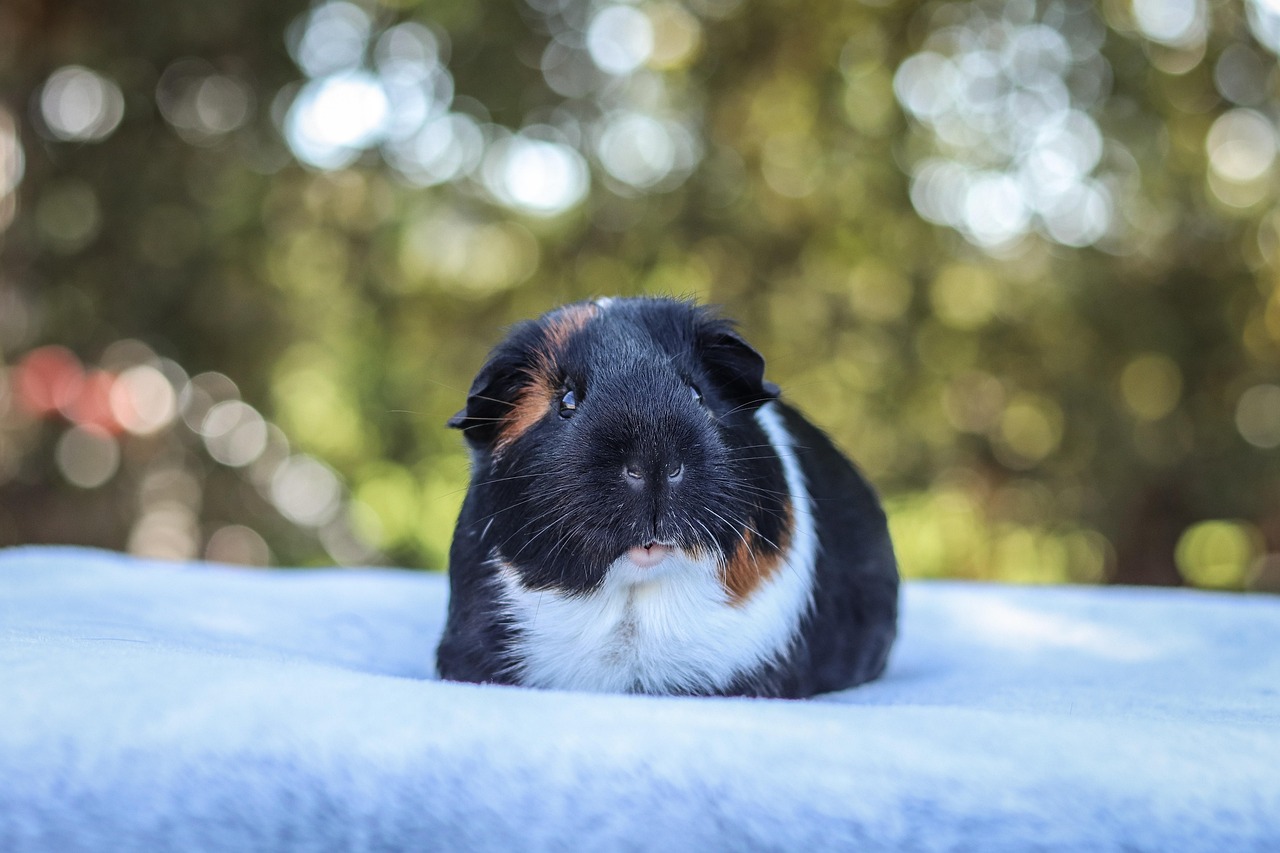
Guinea pigs are notorious for masking signs of illness until they are critically sick. In the wild, showing weakness invites predation, so an indoor guinea pig will often act completely normal even when fighting a significant infection or internal discomfort. As a vigilant owner, you must look for subtle behavioral and physical shifts during your daily interactions and weekly home wellness exams.
Conduct a hands-on health check once a week. Gently feel along your guinea pig’s spine and ribs to monitor weight stability, check the eyes and nose for any discharge or crustiness, inspect the skin and coat for hair loss or flaking, and examine the underside of the feet for redness or sores. A sudden drop in weight is often the very first indicator that something is wrong, making a reliable kitchen scale a vital piece of small pet care equipment.
Be alert to the following red flags that warrant an immediate call to your exotic animal veterinarian:
- Sudden reluctance to eat or complete refusal of food (anorexia)
- Changes in fecal output, such as very small, dry stools or watery diarrhea
- Labored breathing, wheezing, or clicking sounds when breathing
- Crusty eyes, runny nose, or a chronic tilt to the head
- Lethargy, puffed-up fur, or unresponsiveness to environmental sounds
- Visible lameness, reluctance to move, or vocalizing in pain when touched
Gastrointestinal stasis is a particularly dangerous medical emergency for guinea pigs. Because their digestive tracts rely on constant fiber intake to push food through, any interruption in eating can cause a rapid, fatal slowdown of the gut. If your guinea pig stops eating for more than twelve hours, it requires immediate veterinary intervention, including critical care hand-feeding formulas, fluid therapy, and motility agents prescribed by an exotic animal veterinarian.
Monitoring dental health at home is equally vital. Because molars grow continuously out of sight, watch for signs of drooling, wet chin fur, or dropping food while chewing. These signs often point toward painful dental spurs or elongation that requires professional veterinary filing. Catching these early behavioral flags allows you to secure treatment before minor issues transform into complex medical crises.
Preparing for the Exotic Animal Veterinary Checkup
Finding a qualified veterinarian before an emergency strikes is one of the most important responsibilities of pet ownership. Standard cat and dog veterinarians often lack specialized training in exotic mammals. Take the time to locate a local veterinary clinic that specifically lists small mammals or exotic pets on their roster of services. Establishing a relationship with an experienced exotic veterinarian ensures that your guinea pigs receive accurate diagnostics and appropriate medication dosages tailored specifically to their unique metabolism.
Routine wellness exams should occur at least once a year for young, healthy adults, and every six months for senior guinea pigs over the age of four. Prior to the appointment, write down any questions or observations you have regarding your pet’s diet, weight, or behavior. Transporting your guinea pig safely is another key consideration. Use a sturdy, well-ventilated small animal carrier lined with a thick layer of absorbent bedding and a handful of familiar timothy hay. Include a small piece of cucumber or bell pepper to provide hydration during transit without risking spills from a water bottle.
During the exam, your veterinarian will listen to the heart and lungs, check the incisors and molars with an otoscope, palpate the abdomen, and evaluate skin and coat condition. Dental malocclusion—where the teeth grow abnormally and prevent the animal from closing its mouth or chewing—is a common issue in guinea pigs that requires professional trimming under anesthesia. Partnering closely with your vet ensures that minor dental issues or respiratory sensitivities are caught and managed long before they compromise your guinea pig’s quality of life.
Transport stress can be significant for prey animals, so take steps to keep car rides as calm as possible. Place a lightweight, breathable cloth or towel over the top and sides of the carrier to block out flashing lights and unfamiliar motion, leaving the front partially open for airflow. Secure the carrier firmly on a vehicle seat using a seatbelt so it cannot slide or tip during sudden braking. Keep the car radio at a low volume and maintain a comfortable ambient climate inside the vehicle.
Upon returning home from the veterinary clinic, place your guinea pigs back into their familiar, quiet enclosure without immediately disturbing them. Offer a favorite treat and fresh hay to help them decompress. Check in on them periodically over the next few hours to ensure they are eating, drinking, and re-engaging with their environment smoothly after the trip.
Conclusion: Creating a Lifetime of Quality Care
Providing exceptional care for indoor guinea pigs is a commitment built on daily observation, proper nutrition, and low-stress handling. By understanding their unique behavioral instincts as prey animals, you can create a secure environment that minimizes fear and encourages natural foraging and social behaviors. Pairing a high-fiber, vitamin-C-rich diet with proactive home health checks allows you to catch subtle signs of illness early, protecting your pets from avoidable suffering. Establishing an ongoing relationship with a qualified exotic animal veterinarian completes the safety net, ensuring your guinea pigs receive expert medical guidance at every stage of their lives. With patience, consistency, and attentive care, you can look forward to years of delightful companionship with your small animal friends.