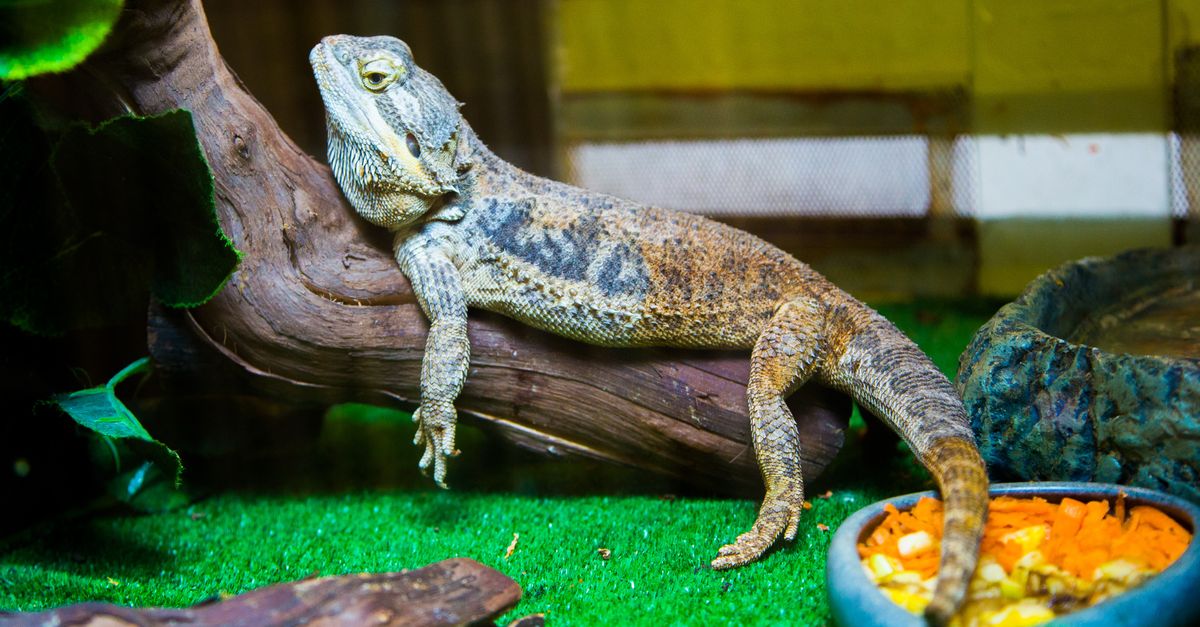
Providing the correct environmental parameters is the single most important responsibility a keeper has when housing a captive reptile. When you follow a reliable bearded dragon uvb lighting care guide, you ensure your pet can synthesize essential vitamin D3, metabolize dietary calcium, and avoid debilitating illnesses. In the wild, inland bearded dragons bask under intense, unfiltered Australian sunlight for hours each day. Recreating this environment indoors requires an understanding of ultraviolet radiation, lamp types, and the inevitable degradation of bulb output over time.
Without adequate ultraviolet B radiation, captive reptiles cannot process calcium properly, leading to metabolic bone disease, a painful and often fatal condition. Because commercial pet stores and manufacturers use varying terminology, keepers often struggle to select the right equipment, mount it at the correct distance, and know when to replace aging bulbs. This guide walks you through the mechanics of reptile lighting, meter testing, and preventative husbandry, ensuring your enclosure meets professional veterinary standards.
Understanding the Biology: UVB and Calcium Metabolism
To understand why specific lighting is non-negotiable, you must look at how a bearded dragon processes nutrients. Dietary calcium ingested through greens, insects, and supplements cannot be absorbed by the gut or utilized by the bones without vitamin D3. While humans and some mammals can synthesize D3 through dietary intake alone, reptiles rely heavily on photochemical reactions triggered by specific wavelengths of ultraviolet light hitting their skin.
When UVB radiation penetrates the epidermis, it converts pre-vitamin D3 into cholecalciferol. This compound is then processed by the liver and kidneys into active vitamin D3, which regulates calcium and phosphorus levels in the bloodstream. If ultraviolet exposure is insufficient, the dragon’s body begins pulling calcium out of its own bones to maintain critical neurological and muscular functions. Over time, this results in soft bones, spinal deformities, tremors, and jaw softening.
It is important to understand that no amount of powdered vitamin D3 sprinkled onto food can completely replace the natural synthesis loop. While dietary supplements serve as a vital safety net, artificial or unexposed diets often lead to hypervitaminosis D if over-supplemented, or deficiency if under-supplemented. Natural dermal synthesis allows the bearded dragon’s biological systems to self-regulate production, stopping the conversion process once sufficient vitamin levels are reached. This regulatory mechanism makes a properly designed ultraviolet lighting setup vastly superior to supplementation alone.
Furthermore, the physical spectrum of sunlight is vastly more complex than what simple indoor bulbs emit. Natural sun features broad-spectrum UVA, UVB, and visible light that influences circadian rhythms, foraging behaviors, and psychological well-being. Captive lizards housed under substandard lighting often display lethargy, reduced appetite, and lackluster coloration. By replicating the intensity and spectral quality of natural desert light, keepers can unlock the full behavioral and biological potential of their pets, encouraging natural basking, hunting, and exploratory habits.
Linear Fluorescent Tubes vs. Mercury Vapor Bulbs
Choosing the correct fixture is the foundation of any proper reptile habitat. Two main bulb styles dominate the reptile hobby: linear fluorescent tubes and mercury vapor bulbs. Each serves a distinct purpose and comes with specific trade-offs regarding coverage area, heat output, and lifespan.
Linear fluorescent tubes, particularly T5 High Output units, are the gold standard for most enclosure setups. Unlike old coil or compact fluorescent bulbs, which produce inconsistent rays and can cause eye damage, T5 linear tubes span a significant portion of the enclosure. This allows the animal to receive uniform ultraviolet exposure across its entire body while moving naturally. A quality T5 fixture should always include a polished reflector behind the bulb to direct and maximize the downward projection of rays.
Mercury vapor bulbs combine UVB output, UVA output, and intense heat into a single self-ballasted screw-in unit. While they are convenient for large enclosures where a keeper needs to combine basking heat with ultraviolet light, they have distinct limitations. They emit a very concentrated beam of light and heat, creating a narrow sweet spot. If your enclosure is under forty gallons, a mercury vapor bulb can easily overheat the space and deliver dangerously high ultraviolet levels directly beneath it, leaving the rest of the enclosure in shadow. Furthermore, mercury vapor lamps cannot be dimmed or controlled via standard thermostats without damaging the internal arc tube.
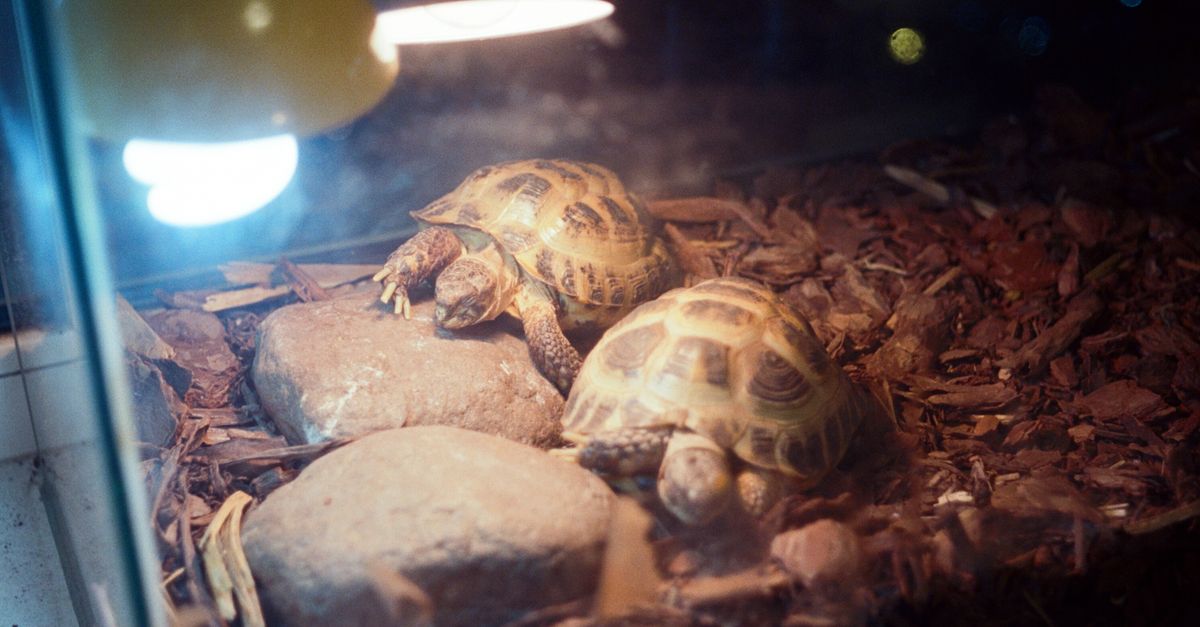
When evaluating these options against your specific budget and enclosure dimensions, consider how your bearded dragon utilizes space. A growing juvenile requires ample opportunities to exercise across a thermal gradient while maintaining steady exposure to ultraviolet rays. T5 fixtures facilitate this by casting a broad band of usable light, meaning the lizard does not have to sit in one exact millimeter of space to reap the biological benefits. Mercury vapor lamps, conversely, force a very localized basking style. If you choose a mercury vapor setup, you must ensure the vertical drop from the bulb to the basking surface is strictly maintained according to manufacturer specifications to avoid thermal burns or ocular damage.
Another factor to weigh is power consumption and thermal management in smaller rooms. Mercury vapor bulbs draw significant wattage—often 100 to 160 watts—and radiate intense ambient heat into the surrounding living space. In warmer climates or smaller apartments, this excess heat can drive up room temperatures and strain air conditioning systems. Linear fluorescent setups run much cooler overall, allowing you to use dedicated, thermostatically controlled basking spot bulbs for heat while keeping ultraviolet output independent and precisely measured.
Evaluating the Reptile UVB Bulb Replacement Schedule
One of the most common mistakes keepers make is assuming that as long as a fluorescent bulb emits visible light, it is still functional. Phosphor coatings inside fluorescent tubes degrade with every hour of operation. While the bulb may still glow bright white to human eyes, the invisible ultraviolet B radiation emitted by the phosphorus declines steadily over months of use.
Standard T8 linear fluorescent bulbs typically lose their effective ultraviolet output after approximately six months of daily use, requiring twice-yearly replacement. High-output T5 linear tubes are more robust and generally maintain effective output for twelve months. Mercury vapor bulbs also degrade over time, usually losing their peak ultraviolet efficiency around the one-year mark.
Because human eyes cannot detect invisible ultraviolet decay, keeping a strict calendar is essential. Write the installation date directly on the plastic end cap of your linear tube with a permanent marker. This prevents you from guessing whether a bulb is three months or fourteen months old when routine maintenance rolls around. Keeping a maintenance logbook or setting recurring digital calendar reminders ensures you never miss a replacement window, protecting your pet from the gradual onset of deficiency diseases.
To build a foolproof replacement habit, some experienced hobbyists track operating hours using a simple digital appliance timer plugged into the lighting circuit. Since bearded dragons typically require a consistent photoperiod of twelve to fourteen hours of light daily, a T5 High Output bulb will accumulate roughly 4,300 to 5,000 hours of operation over the course of a year. Knowing this threshold helps you plan your annual husbandry budget and order replacement inventory well in advance, avoiding periods where your pet is left exposed to expired lighting while you wait for shipments to arrive.
Using a Digital Solar Meter to Measure Output
The most precise way to manage your reptile’s environment is to use a digital ultraviolet meter, such as a Solarmeter Model 6.5. While these handheld instruments represent an upfront investment, they eliminate guesswork and ultimately save money by preventing you from replacing bulbs too early or leaving exhausted bulbs in service too long.
Reptiles experience ultraviolet radiation on a gradient, often measured in the Ultraviolet Index. A proper enclosure should feature a basking site with a target UVI range appropriate for desert species—typically between 4.0 and 6.0 at the animal’s back level—dropping off to zero in the shaded retreat areas. By taking direct readings at the exact height of your basking branch, you can measure how output drops as the bulb ages.
When a new T5 bulb reads below your target minimum index at the basking height, it is time for a replacement, regardless of whether it has been in service for ten months or twelve. Meters also help you account for screen mesh interference, as many wire mesh tops block between thirty and fifty percent of incoming ultraviolet rays. By relying on concrete numerical data rather than arbitrary calendar months, you maintain absolute control over your pet’s environmental parameters.
When taking measurements with a digital solar meter, consistency is key. Always hold the sensor facing directly upward, parallel to the floor of the enclosure, at the exact height where your bearded dragon’s back rests while basking. Avoid angling the meter toward the bulb, as this will artificially inflate the reading and give you a false sense of security regarding your enclosure’s output. Take readings during peak daylight hours when the bulb has been running for at least thirty minutes, allowing the lamp to reach its stable operating temperature. Documenting these readings monthly in a log will provide a clear graphical trajectory of your bulb’s degradation curve over time.
Optimizing Distance, Fixture Placement, and Mesh Interference
Even the highest-quality bulb will fail if it is positioned incorrectly within the enclosure. Proper placement depends entirely on whether you use a T5 or T8 tube, whether the bulb sits above a screen top or inside the enclosure, and whether the fixture includes a reflector.
When mounting a T5 HO bulb with a reflector above a standard screen mesh top, the bulb is typically positioned twelve to fourteen inches away from the primary basking branch. If the bulb is mounted inside the enclosure underneath the screen, that distance must often be increased to sixteen or eighteen inches to prevent excessively high ultraviolet spikes that can harm the dragon’s eyes and skin.
Avoid placing glass or clear plastic between the bulb and your pet. Standard window glass and acrylic sheets block virtually one hundred percent of UVB wavelengths while still allowing visible light and heat to pass through. If you must use a screen top, ensure it features an open mesh pattern rather than fine screening, which severely restricts both airflow and ultraviolet penetration.

Enclosure dimensions also dictate how successfully you can establish a proper light gradient. A tank that is too short vertically makes it impossible to achieve a safe distance buffer between the powerful T5 tube and the basking platform, forcing the animal too close to the source. Desert species require enclosures that are at least eighteen to twenty-four inches in height to allow for safe clearance above elevated rocks or branches. By arranging branches and hides to create multi-level platforms, you give the lizard total agency to select its preferred exposure level throughout the day.
Furthermore, interior mounting brackets and hanging kits must be secured firmly to withstand the natural climbing and exploring habits of a growing reptile. Never rely on weak adhesive strips or makeshift wire hangers inside humid or hot terrariums, as these can fail and drop heavy lighting fixtures directly onto the animal. Use sturdy metal mounting hardware secured directly into the structural frame of the enclosure to ensure complete safety and stability.
Preventing MBD in Bearded Dragons Through Integrated Husbandry
Lighting is only one component of a successful prevention strategy for metabolic bone disease. Complete husbandry requires a harmonious balance of proper ultraviolet exposure, correct ambient temperatures, and meticulous nutritional supplementation.
Bearded dragons are ectotherms, meaning they rely on external heat sources to regulate their internal body temperature and metabolic rate. If your basking surface is too cool—ideally between 100 and 110 degrees Fahrenheit for adults—the dragon’s digestive tract cannot process food efficiently, rendering calcium and vitamin D3 supplementation ineffective. Ensure your temperature gradients are monitored with digital probe thermometers or an infrared temperature gun rather than cheap analog dial gauges.
Supplementation must match your lighting setup. Dust feeder insects with pure calcium carbonate without phosphorus three to five times a week, and use a reptile multivitamin containing preformed vitamin D3 once or twice a week, depending on the strength of your ultraviolet source. Always consult an experienced exotic animal veterinarian if you notice early symptoms of nutritional deficiencies, such as lethargy, swelling of the limbs, or a rubbery lower jaw.
Nutritional balance extends beyond powders and insects. Offering a diverse, fiber-rich salad consisting of dark leafy greens like collards, mustard greens, and turnip greens, supplemented with colorful squash and flowers, provides essential dietary minerals that reinforce skeletal health. Hydration also plays a silent role in metabolic function; chronic dehydration can impair kidney and liver performance, disrupting the final enzymatic steps required to convert ultraviolet-derived compounds into active vitamin D3. Providing fresh water daily and occasional gentle misting ensures your pet’s internal systems operate at peak efficiency.
Troubleshooting Common Lighting Mistakes
Even dedicated reptile keepers occasionally fall into habits that compromise their pet’s environment. Recognizing these common missteps can help you correct your husbandry before health issues arise.
One frequent error is relying on pet store packaging claims rather than actual output measurements. Many generic replacement bulbs state that they are full-spectrum, but full-spectrum visible light does not equal ultraviolet B radiation. Always check the bulb packaging for explicit references to UVB percentage outputs, such as 10.0 or 12.0 ratings, or use a solar meter to verify performance.
Another common mistake is failing to clean dust and debris from the bulb surface. Terrariums collect fine dust from substrate, shed skin flakes, and mineral deposits from misting. Wipe down your linear bulbs and reflectors gently with a damp microfiber cloth every few weeks while the fixture is unplugged and cooled down. A dusty bulb can lose up to twenty percent of its output simply due to surface obstruction.
Keepers also occasionally make the mistake of leaving lights on for unnatural durations during seasonal changes. In nature, photoperiods shift depending on the time of year. While maintaining a consistent twelve-hour schedule works year-round for many captive dragons, some keepers successfully simulate natural cycles by slightly shortening day lengths during winter months. However, abruptly turning off lights or failing to provide an adequate timer schedule disrupts the animal’s internal clock, leading to erratic feeding habits and sluggish behavior. Always use automated digital timers to guarantee a consistent, stress-free daily routine.
Establishing a Sustainable Maintenance Routine
Maintaining a healthy indoor habitat for your pet requires consistency rather than constant intervention. By establishing a straightforward monthly and yearly checklist, you can keep your lighting system operating at peak performance without feeling overwhelmed.
Set a calendar alert for the first of every month to inspect your fixtures, wipe down the glass and bulbs, and check your temperature gradients. Once a quarter, perform a detailed reading with your solar meter if you own one, logging the output decay numbers to track bulb aging. Finally, budget for linear bulb replacements annually for T5 setups or semi-annually for T8 setups, purchasing replacement units before the old ones expire.
By treating lighting as a vital nutritional component rather than a simple light fixture, you provide your bearded dragon with the environmental foundation it needs to thrive. Consistent monitoring, quality equipment, and careful attention to placement will keep your pet active, healthy, and resilient for years to come. Establishing these habits early in your reptilekeeping journey ensures long-term success and peace of mind for both you and your animal.