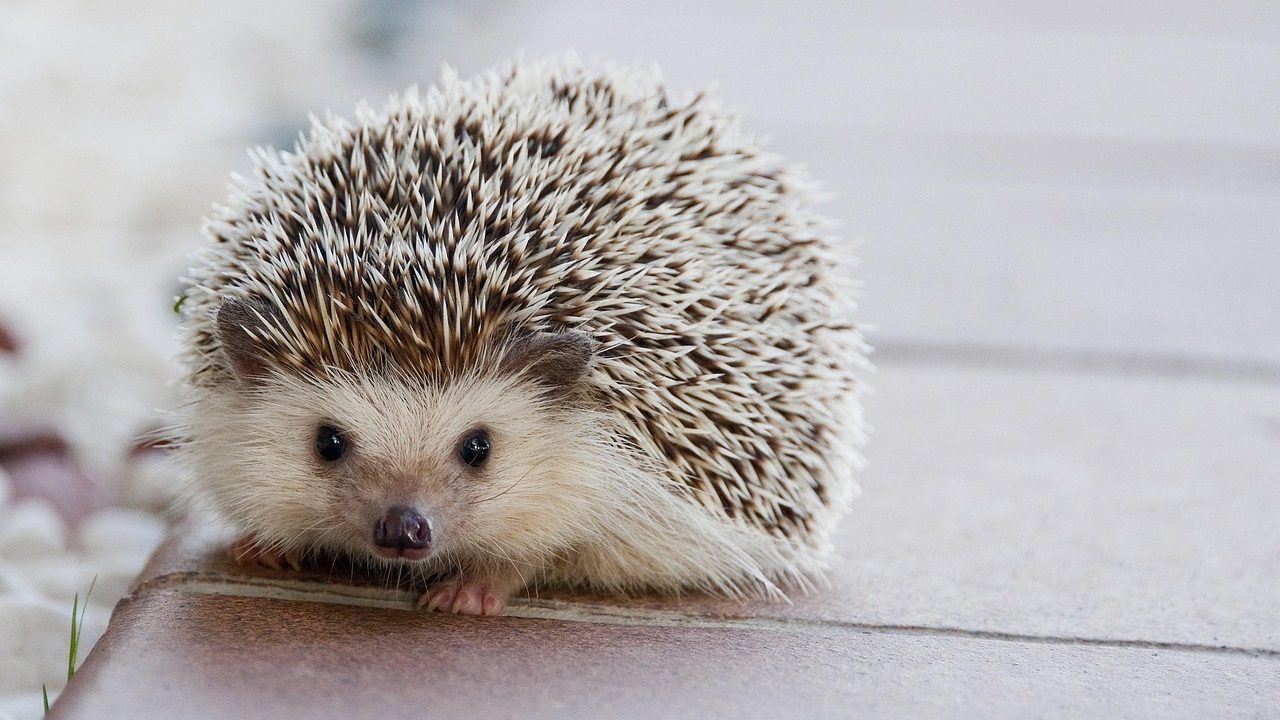
Welcoming an African pygmy hedgehog into your home is an exciting commitment to understanding one of the more unique exotic small mammals kept as pets. Unlike traditional domesticated companions, hedgehogs retain many wild instincts, including a strong tendency to curl into a tight, prickly ball when startled, solitary territorial behaviors, and specialized environmental requirements. Succeeding as a keeper requires more than simply placing an animal in a standard glass aquarium; it demands meticulous attention to thermal regulation, specialized nutrition, and habitat security. This definitive pet hedgehog care and housing guide is designed to help you establish a thriving, safe domestic environment that mirrors their natural biological needs while keeping them healthy and content for years to come.
Understanding the basic nature of pet hedgehogs helps lay the foundation for successful daily husbandry. These are crepuscular creatures, meaning they are naturally most active during the twilight hours of dawn and dusk. They have poor eyesight and rely heavily on their acute senses of smell and hearing to navigate their surroundings. When you invest time in crafting a proper habitat and mastering daily routines, you eliminate the guesswork and stress that often accompany exotic pet ownership. Let us walk through the essential components of creating a secure home, maintaining proper environmental controls, and establishing healthy daily care habits, ensuring you are fully prepared for every nuance of exotic small mammal stewardship.
Selecting and Preparing the Ideal Indoor Enclosure
Before bringing your new pet home, you must establish a secure, spacious habitat. While pet stores often market small cages or modular wire habitats designed for hamsters or guinea pigs, these are rarely suitable for hedgehogs. Wire spacing on standard small-animal cages can allow a hedgehog to squeeze through or become dangerously trapped, and wire flooring can cause severe foot injuries such as bumblefoot. Furthermore, hedgehogs are notorious climbers despite their stout builds; a poorly secured enclosure can easily result in a dangerous fall from elevated platforms or cage bars.
The ideal indoor enclosure should provide a minimum of four square feet of continuous flat floor space, though larger is always better to accommodate running equipment, feeding stations, and multiple hides. Solid-walled enclosures, such as large plastic storage containers modified for ventilation (often called DIY bin cages) or front-opening PVC reptile enclosures, are popular choices among experienced keepers. They contain bedding effectively, prevent drafts, and keep inquisitive noses safe from wire entrapment. The enclosure should be placed in a quiet room away from direct sunlight, household drafts from exterior doors or air vents, and the high-traffic chaos of busy family areas.
When planning your enclosure layout, consider how easy it will be to access every corner for daily spot-cleaning and waste removal. Bins with high solid walls prevent bedding from being kicked out onto the floor, while front-opening enclosures allow you to interact with your hedgehog on their level rather than looming menacingly from above—a posture that triggers their natural defensive prey instincts. Always secure the top of the enclosure with a well-fitted, breathable mesh lid to ensure complete security against curious household pets like cats or dogs.
When choosing bedding materials for the bottom of the enclosure, avoid cedar and raw pine shavings entirely. The aromatic oils in these soft woods contain phenols that can cause chronic respiratory infections, eye irritation, and severe liver damage in small mammals. Instead, opt for dust-free paper-based bedding pellets, high-quality fleece liners, or kiln-dried aspen shavings if you prefer wood. Fleece liners require daily spot-cleaning of droppings and regular laundering, but they offer a soft, snag-free surface that protects delicate feet and prevents toenails from catching on loose fibers.
Mastering the Indoor Hedgehog Temperature Range
Maintaining the proper ambient temperature is arguably the most critical aspect of keeping an African pygmy hedgehog healthy. Native to warmer climates, these animals lack the biological cues needed to handle prolonged cold environments safely. If the ambient temperature in their enclosure drops below 70°F, a hedgehog’s body may trigger a dangerous physiological response known as a hibernation attempt, or estivation torpor.
Unlike true hibernating wildlife, captive African pygmy hedgehogs cannot safely survive torpor; their metabolisms and immune systems crash, often leading to fatal hypothermia, respiratory infections, or rapid systemic decline. To prevent this, you must maintain a strict indoor hedgehog temperature range between 72°F and 80°F year-round. Relying on your home’s central heating and cooling system is risky because temperatures can fluctuate drastically overnight, during power outages, or during seasonal transitions when HVAC systems are switched between heating and cooling.
You should equip the enclosure with a reliable ceramic heat emitter (CHE) connected to a precise digital thermostat probe. The thermostat will automatically turn the heat source on and off to maintain a steady ambient temperature inside the habitat without creating a fire hazard or overheating the space. Place at least two digital thermometers at different locations within the enclosure—one at cage level in the sleeping area and one higher up—to continuously monitor the thermal gradient and ensure there are no dangerously cold or overheated zones where your pet might suffer heat stress.
In addition to your primary heating setup, have a backup plan ready for emergencies. Battery-operated space heaters, chemical hand warmers wrapped securely in fleece (kept away from direct contact with the animal), or insulated emergency blankets can temporarily stabilize cage temperatures if your home loses power during a winter storm. Regular vigilance regarding your temperature gauges will save your pet from life-threatening medical emergencies.
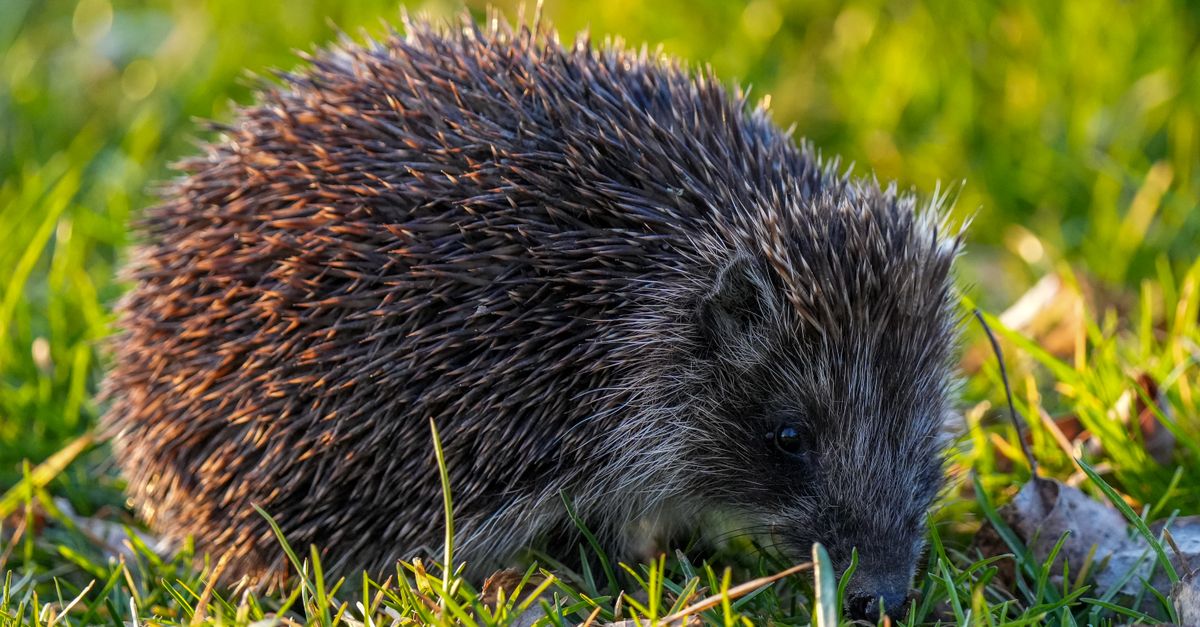
Environmental enrichment is just as vital as temperature control for preventing stress and obesity, both of which are common in captive hedgehogs. In the wild, these animals travel miles nightly foraging for insects and exploring diverse terrain. Replicating this high activity level indoors requires careful selection of toys, hides, and running equipment designed specifically for their unique anatomy.
A proper hedgehog wheel setup is non-negotiable for any indoor enclosure. Because hedgehogs run extensively at night—often covering several miles—a substandard wheel can cause permanent injury. Avoid wire wheels or mesh wheels entirely, as a hedgehog’s tiny toes can slip through the gaps and fracture. Similarly, avoid wheels with a center crossbar, which can catch quills, abrade their sensitive skin, and injure their backs. Choose a large, solid-surface wheel with a smooth running track—at least 11 to 12 inches in diameter—so the hedgehog can run with a flat, neutral spine rather than an arched back.
In addition to a safe running wheel, provide multiple dark, cozy hiding places where your pet can retreat during daylight hours. Fabric snuggle sacks, plastic igloos, and half-logs give hedgehogs a necessary sense of security. Rotate a few foraging toys, tunnel tubes, and shallow dig boxes filled with smooth river rocks or clean fleece strips to keep their active minds engaged and prevent cage stereotypies. Keeping their environment dynamic encourages natural exploratory behaviors and helps maintain muscle tone.
Balanced Diet and Nutritional Requirements
Hedgehogs are classified as insectivores, meaning their natural diet relies heavily on protein and chitin, supplemented by small amounts of other organic matter. A common mistake among new owners is feeding high-fat cat kibble exclusively, which frequently leads to rapid weight gain, fatty liver disease, and a shortened lifespan.
Building a proper hedgehog diet and wellness routine involves offering a high-quality commercial hedgehog food or premium low-fat, high-protein cat kibble as the foundational base. Look for a protein content between 30% and 35% and a crude fat content under 15%. To supplement this dry base, introduce a rotation of live or freeze-dried insects, such as mealworms, superworms, crickets, and black soldier fly larvae. Insects provide essential chitin and varied textures that keep dental health optimized.
You can also offer small amounts of safe vegetables and lean cooked meats as occasional treats. Plain, unseasoned cooked chicken, scrambled eggs without oil or butter, and tiny pieces of cooked pumpkin or green beans are generally well-received. Always remove any uneaten fresh food within a few hours to prevent spoilage and bacterial growth. Fresh, clean water must be available at all times, provided in a heavy, tip-proof ceramic bowl or a securely mounted water bottle.
Monitor your hedgehog’s weight closely when adjusting dietary portions. Obesity is a silent killer in captive hedgehogs, putting excess strain on their joints and predisposing them to fatty liver syndrome. If you notice your pet developing a roll of fat under their chin or losing the ability to roll completely into a tight ball, consult your veterinarian to adjust their daily food rations and increase out-of-cage exercise opportunities.
Daily Handling, Bonding, and Trust Building
Hedgehogs are naturally solitary, cautious animals that do not possess the pack mentality of dogs or the social curiosity of rats. Building a trusting bond requires patience, consistency, and a gentle understanding of their defensive instincts. When first introduced to a new home, a hedgehog will often puff up, hiss, and roll into a tight ball. This is a normal, instinctual reaction rather than personal aggression.
To help your pet adjust, spend 15 to 30 minutes each day handling them gently. A great technique is to place a worn t-shirt or piece of unwashed clothing inside their sleeping area so they become accustomed to your unique scent. When picking up your hedgehog, scoop them smoothly from underneath using both hands or a fleece pouch rather than grabbing blindly from above, which mimics the attack pattern of an avian predator.
Anointing is another fascinating behavior you will likely witness during handling. When a hedgehog encounters a new, intense scent or taste, it will froth at the mouth and paste the resulting saliva over its quills. While startling to new owners, this is a completely natural self-defense and scent-masking mechanism. Never punish or startle your hedgehog during anointing; simply let them work through the process calmly.
Consistency is key when developing a bond with an exotic pet. Keep handling sessions short and positive, ending with a small, healthy treat like a mealworm. Over time, your hedgehog will learn to associate your scent and voice with safety, reducing defensive balling and turning your daily interactions into a relaxing experience for both of you.

Maintaining Hygiene and Spot-Cleaning Routines
A clean enclosure is vital for preventing respiratory infections caused by ammonia buildup from urine and waste. Establishing a consistent cleaning schedule keeps your pet healthy and minimizes household odors associated with exotic mammal care.
Perform a daily spot-clean by removing soiled bedding, wiping down the running wheel (which hedgehogs frequently use as a bathroom while running), and washing food and water bowls with hot, soapy water. Once every week or two, conduct a deep clean of the entire habitat. Empty all bedding, scrub the plastic or PVC enclosure walls and floor with a pet-safe, non-toxic disinfectant, rinse thoroughly, and dry completely before adding fresh substrate.
Bathing your hedgehog should be done sparingly—typically once a month or whenever they become noticeably messy from running through their own waste. Use a shallow basin filled with a few inches of warm water (never hot) and a mild, tearless oatmeal-based pet shampoo. A soft-bristled toothbrush can be used very gently to clean debris from between their quills. Ensure the water level stays low, never submerge their head, and dry them thoroughly with a soft towel in a draft-free room before returning them to their warm enclosure.
In addition to bathing, regularly check your hedgehog’s toenails. Because indoor flooring does not provide the abrasive surfaces found in nature, hedgehog nails can grow long and curl into their footpads. Trim them carefully using small animal nail clippers, taking care to avoid the quick, or provide abrasive slate tiles under their food bowl to help wear nails down naturally during daily feeding routines.
Recognizing Signs of Illness and Veterinary Care
Because hedgehogs are prey animals, they instinctively hide signs of illness or vulnerability until a condition has progressed significantly. Establishing a relationship with a qualified exotic animal veterinarian before an emergency arises is one of the most responsible steps you can take as a pet owner.
Monitor your hedgehog daily for subtle shifts in behavior, appetite, and routine. Common red flags that warrant an immediate veterinary examination include:
- Sudden, persistent weight loss or complete refusal to eat for more than 24 hours.
- Labored breathing, clicking sounds in the chest, or discharge from the nose and eyes.
- Chronic diarrhea or persistent green, watery droppings.
- Lameness, reluctance to use the running wheel, or dragging the hind legs.
- Progressive loss of quills accompanied by angry, flaky, or crusty skin lesions (often indicative of mites or fungal infections).
- Wobbling gait or loss of balance, which can be an early sign of Wobbly Hedgehog Syndrome, a progressive neurological condition unique to the species.
Weighing your hedgehog weekly on a kitchen digital scale is an invaluable preventive health habit. Even slight weight fluctuations can highlight underlying dental pain, metabolic shifts, or parasitic infections long before physical symptoms become obvious. Partnering with a skilled exotic vet ensures your pet receives timely diagnostics, such as fecal floats or skin scrapings, keeping minor issues from escalating into major health crises.
Creating a Long-Term Care Routine
Caring for an indoor pet hedgehog is a rewarding long-term commitment that typically spans four to six years, though some individuals live longer with exceptional husbandry. By maintaining strict environmental temperature controls, investing in safe, high-quality equipment like a solid-surface running wheel, and offering a balanced insectivore diet, you drastically reduce the risk of common captive illnesses.
Take time each day to observe your pet’s natural nighttime antics, monitor their food intake, and maintain a pristine, warm habitat. Through consistent, attentive care and a proactive approach to veterinary health, you will provide your hedgehog with a safe, enriching environment where they can thrive comfortably throughout their life, establishing a deeply rewarding bond built on trust, respect, and meticulous daily husbandry.