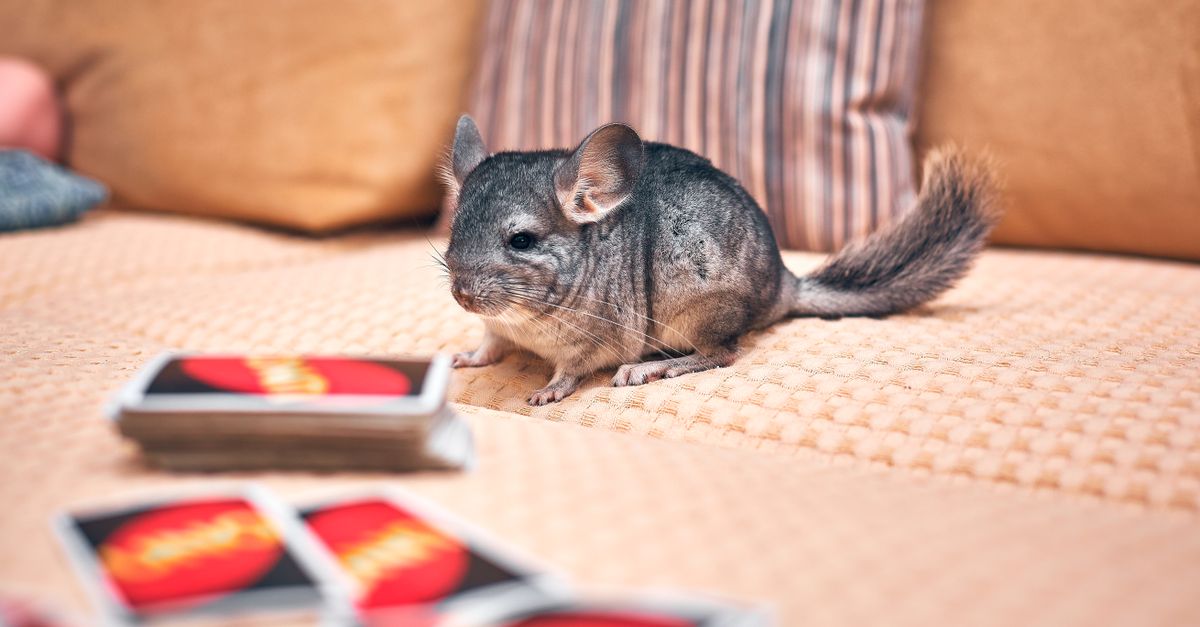
Owning an exotic rodent brings unique responsibilities, and few species require as much environmental vigilance as the chinchilla. Building a proper pet chinchilla temperature and habitat guide begins with understanding their evolutionary background. Native to the high, cool elevations of the Andes Mountains, chinchillas evolved to thrive in brisk, arid climates characterized by low ambient temperatures and minimal atmospheric humidity. Their defining physical trait—a remarkably dense coat where up to 80 hairs sprout from a single follicle—makes them incredible survivors in freezing conditions. However, that same thick fur acts as an inescapable thermal trap when indoor temperatures rise in modern homes.
Many first-time owners are surprised to learn that chinchillas cannot tolerate the same indoor climate as humans or even other common small pets like guinea pigs or rabbits. While a living room set to 78 degrees Fahrenheit feels comfortable for you, it can quickly push a chinchilla toward fatal heat exhaustion. Maintaining a safe habitat requires understanding precise temperature boundaries, monitoring relative humidity, and establishing reliable climate backup plans before summer weather arrives, seasonal shifts occur, or unexpected heatwaves strike your region.
Understanding Chinchilla Thermal Physiology
To keep your pet safe, you must understand how their bodies manage heat. Unlike humans, dogs, or cats, chinchillas do not sweat to cool down. They also possess very few functional sweat glands on their paw pads, which are entirely inadequate for cooling a body covered in dense, insulating fur. Instead, chinchillas rely primarily on their ears to regulate internal body temperature and dissipate excess body heat into the surrounding air.
A chinchilla’s ears are packed with a dense network of blood vessels that dilate when the animal gets warm. As blood flows through the ears, excess body heat is released into the environment. If the ambient air temperature in the room is too high, this heat transfer mechanism fails completely because the surrounding air is warmer than or equal to the animal’s blood temperature. Blood cannot release its thermal load, core body temperature rapidly spikes, and the animal enters distress. This biological reality dictates every rule regarding housing, ventilation, and air conditioning for pet chinchillas.
Furthermore, chinchillas have a very high metabolic rate for their size, which generates internal body heat constantly. When combined with a sedentary lifestyle in a warm enclosure, this internal heat production accelerates thermal distress. Understanding this physiological vulnerability transforms how owners view everyday habitat placement, ruling out sunny rooms, unventilated corners, and spaces without dedicated climate control.
Ideal Temperature and Humidity Thresholds
Establishing the correct climate parameters is the single most important element of chinchilla husbandry. As a strict rule, the ambient temperature surrounding the enclosure should always remain below 75 degrees Fahrenheit, with the ideal range sitting comfortably between 60 and 70 degrees Fahrenheit. Temperatures exceeding 75 degrees begin to elevate risk, and any reading above 80 degrees represents an immediate medical emergency requiring rapid intervention.

Humidity is just as critical as temperature and requires just as much tracking. Relative humidity levels inside the room should ideally stay between 40 and 60 percent. High humidity combined with warm temperatures creates a stifling, tropical-like environment that prevents moisture evaporation from the skin and promotes respiratory issues, as well as dangerous fungal skin infections in dense fur. If your home tends to hold moisture during summer months, running a dedicated compressor-based dehumidifier in the pet room is non-negotiable to protect your chinchilla’s health.
Seasonal changes also introduce hidden risks. In winter, central heating can dry out indoor air too much or create localized hot spots if the cage is placed too close to a baseboard radiator or forced-air heating vent. Conversely, summer brings oppressive humidity and sudden spikes in outdoor temperatures that can overwhelm older air conditioning systems. Maintaining strict environmental monitoring year-round ensures your pet never faces unexpected microclimates.
Choosing and Placing Monitoring Equipment
You cannot rely on how a room feels to protect your pet. Human perception of temperature is notoriously subjective, and temperature gradients can vary wildly within a single room. Floor-level temperatures are often cooler than ceiling levels, but direct sunlight, drafts from windows, and proximity to kitchen appliances or electronics can create dangerous microclimates right where the cage sits.
Every chinchilla owner should invest in at least two digital hygrometers equipped with remote or dual sensors. Place one sensor directly inside or mounted securely on the outside of the cage at the animal’s primary living level, and keep the second sensor elsewhere in the room to track general trends. Look for digital units that record daily high and low temperatures and humidity levels. This ensures that if the air conditioning fails while you are away at work or asleep, you will see the peak temperature your pet experienced and can take immediate corrective action.
Calibration and battery maintenance are also vital when using digital monitoring tools. Check your sensors periodically against a secondary thermometer to ensure accuracy, and replace batteries at the first sign of a low-power warning. A failed sensor gives owners a false sense of security, which can prove fatal during an unmonitored heatwave.
Air Conditioning and Climate Backup Strategies
Relying solely on a central home air conditioning system without a backup plan is a major risk for exotic pet owners. Power outages during severe summer storms can cause indoor temperatures to spike to dangerous levels within a matter of hours. Every owner needs a tiered, reliable strategy to handle climate control failures before an emergency occurs.
First, ensure your central AC system is serviced annually by an HVAC professional and set to trigger cooling before room temperatures reach 72 degrees. Second, consider installing a window unit or a portable inverter air conditioner in the specific room where the chinchilla cage is housed, providing an independent backup if the main system fails. Third, keep a supply of frozen unglazed ceramic tiles or heavy granite slabs in your freezer. Wrapping a frozen tile in a thin fleece sleeve and placing it inside the enclosure gives your pet an instant cool surface to press against if ambient temperatures rise unexpectedly.
Having an emergency evacuation plan is also prudent. Identify a friend, family member, or boarding facility with reliable backup generators or robust climate control where your chinchilla can be safely relocated if your home loses power for an extended period during extreme weather.
Safe Fleece Bedding and Enclosure Flooring
Habitat safety extends directly to the materials lining the cage floors and accessories. Wire flooring is notoriously dangerous for chinchillas, as it can cause painful foot injuries, pressure sores, and a debilitating condition known as bumblefoot. Solid metal pans or heavy-duty plastic pans covered with appropriate, non-toxic bedding are essential for protecting their sensitive feet.
When it comes to bedding materials, fleece has become the gold standard for modern chinchilla care. High-quality anti-pill polar fleece liners cut to fit cage pans offer a soft, washable, and durable surface that prevents ingestion hazards. However, fleece requires strict maintenance routines. You must sweep up loose hay and droppings daily and launder the liners weekly using unscented, hypoallergenic detergent without fabric softeners, which can coat the fibers and reduce moisture-wicking properties.
Traditional wood shavings require careful evaluation. Kiln-dried pine shavings are generally acceptable if they are completely dust-free, but cedar shavings must be avoided entirely due to aromatic hydrocarbon oils that cause severe respiratory distress and liver damage in small rodents. Soft wood shavings are also easily ingested by chewing rodents, which can lead to dangerous gastrointestinal blockages. For this reason, many experienced owners transition fully to securely fastened fleece setups to eliminate bedding ingestion risks entirely.
Safe Cage Accessories and Layout
Chinchillas are active, vertical-moving animals that require multi-level enclosures outfitted with plenty of wooden ledges, hanging houses, and climbing tunnels. Every accessory placed inside the habitat must be evaluated for both safety and thermal impact. Avoid plastic huts, ramps, wheels, or bowls; chinchillas chew voraciously, and ingested plastic can cause fatal intestinal blockages.
Stick exclusively to untreated kiln-dried pine, apple wood, willow, or kiln-dried basswood for all chew toys, houses, and ledges. Ensure that shelves are arranged to prevent long, dangerous falls, and provide solid wooden hideaways where the animal can feel secure and private. Avoid heavy fabric hammocks or synthetic fleece tunnels during peak summer months, as thick cloth retains body heat and restricts airflow around the resting animal, increasing thermal stress.
If you provide an exercise wheel, ensure it features a solid running surface with an open design rather than wire mesh or rungs, which can catch toes and tails. The wheel diameter should also be at least 15 inches to prevent spinal curvature as the chinchilla runs.
Managing the Dust Bath Routine
Dust baths are a vital aspect of chinchilla physical and mental health. Because their fur is so dense, water baths must never be given; water trapped deep within the undercoat cannot evaporate naturally and quickly leads to severe fungal infections, skin rot, and hypothermia. Instead, chinchillas clean themselves by rolling in specialized volcanic ash or blue cloud dust, which absorbs excess oils and moisture from their coats.

While dust baths are essential, scheduling them properly matters for habitat maintenance. Offer the dust bath container—a heavy ceramic bowl or specialized dust house—for 10 to 15 minutes two to three times a week, then remove it from the cage. Leaving the dust bath in the enclosure permanently encourages the pet to use it as a litter box, which fouls the dust, spikes cage humidity, and coats the surrounding air in fine particulate matter that can irritate both human and animal respiratory systems.
Choose high-quality, commercially prepared chinchilla dust rather than substituting unverified sands or dirt, which can contain sharp silica crystals, parasites, or chemical fertilizers. After each bath, strain out any feces or debris from the dust using a fine-mesh sieve, and store the container in a dry place to prevent moisture clumping.
Recognizing Early Signs of Heat Sensitivity
Catching heat stress in its earliest stages is the difference between full recovery and tragedy. Chinchillas are prey animals, meaning they instinctively hide signs of illness, pain, or vulnerability until they are critically sick. You must monitor your pet daily for subtle behavioral shifts that indicate thermal discomfort.
Early signs of heat sensitivity include sluggishness, lying stretched out flat on the cool cage floor or against a metal wall, rapid or shallow breathing, and bright red or warm ears. As heat stroke progresses, the animal may become completely unresponsive, drool excessively, foam at the mouth, or experience loss of coordination and seizures. If you notice any signs of overheating, immediately move the animal to a cool, air-conditioned room, offer cool water via syringe if conscious, wrap them gently in a cool, damp (not ice-cold or soaking wet) towel to avoid thermal shock, and contact an exotic veterinarian immediately.
Never submerge an overheating chinchilla in cold water, as rapid temperature drops can induce cardiovascular shock. Gradual cooling combined with professional veterinary intervention is the safest approach to stabilizing a heat-stressed animal.
Common Habitat Maintenance Mistakes
Even well-intentioned owners sometimes fall into traps that compromise their pet’s safety. One frequent mistake is placing the chinchilla cage in direct sunlight near a large window. Even if the room’s thermostat reads 70 degrees, solar radiation pouring through glass can bake a cage corner and raise local temperatures well past safe limits within minutes.
Another common error is inadequate ventilation. Enclosing a chinchilla cage in a tight closet, a spare room with closed doors, or covering the sides with thick blankets to block light severely restricts airflow and traps metabolic heat and humidity. Proper cross-ventilation and breathable wire mesh cage construction are non-negotiable requirements for maintaining a healthy indoor habitat year-round.
Finally, failing to establish an emergency protocol before summer arrives leaves pets vulnerable. Regularly test your AC units, keep backup cooling tiles frozen, and maintain a direct line of communication with an exotic veterinarian who understands emergency small mammal care.
Conclusion
Keeping a pet chinchilla safe, comfortable, and healthy requires ongoing attention to environmental details. By prioritizing rigorous temperature control below 75 degrees Fahrenheit, maintaining stable humidity levels between 40 and 60 percent, investing in accurate digital monitoring tools, and utilizing safe fleece bedding and natural accessories, you provide an environment where your exotic pet can thrive for years to come. Routine vigilance is the cornerstone of responsible ownership, ensuring your chinchilla stays cool, active, and secure through every season.