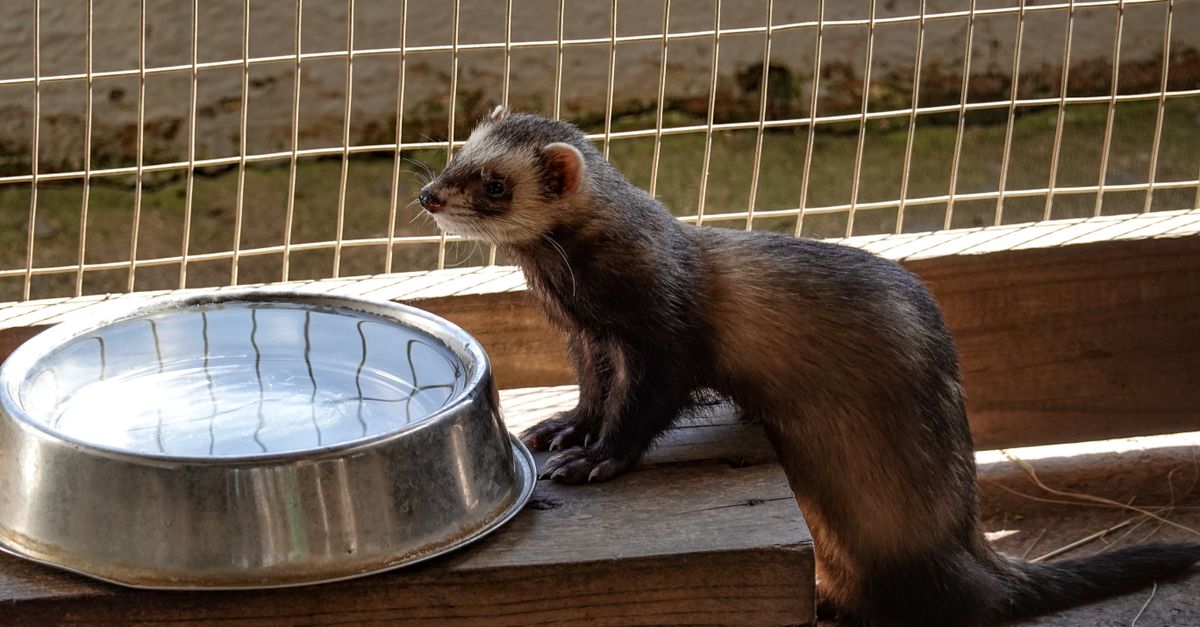
When winter arrives and home heating systems kick on, human comfort often comes at a hidden cost for small indoor pets. For indoor ferret owners, the drop in indoor relative humidity and the circulation of dry, heated air can trigger unexpected health challenges. Ferrets possess delicate respiratory systems that are exceptionally sensitive to airborne irritants, dry mucous membranes, and low moisture levels. Implementing a comprehensive ferret winter respiratory care guide strategy ensures your pets stay healthy when the temperature outside drops.
Unlike dogs or cats, ferrets live in close quarters—often spending significant time inside enclosures where microclimates differ vastly from the rest of the room. Forced-air furnaces strip moisture from living spaces, while tightly sealed winter windows prevent adequate fresh air exchange. Dust from bedding, litter, and dry kibble particles can quickly accumulate in these stagnant indoor air pockets. Recognizing how these environmental factors interact is the first step toward safeguarding your ferret’s long-term respiratory wellness.
Understanding the Winter Indoor Environment
Indoor heating systems, whether electric baseboards, gas furnaces, or heat pumps, fundamentally alter the air quality inside a home. As air is warmed, its capacity to hold moisture increases, which drastically lowers the relative humidity level (RH) unless humidity is actively added. In many American homes during January and February, indoor humidity can plummet below 30 percent, far beneath the comfortable baseline for both humans and exotic pets.
Low humidity dries out the delicate mucous membranes lining a ferret’s nasal passages, trachea, and lungs. These natural mucus barriers trap dust, bacteria, and viruses; when they dry out, they crack or fail to function efficiently. This leaves the respiratory tract vulnerable to airborne irritants and opportunistic pathogens. Furthermore, winter tightly seals our living spaces. Reduced ventilation means indoor air pollutants—such as cleaning residue, cooking fumes, dust mites, and pet dander—become more concentrated over time.
To put this in perspective, human living spaces maintained at a cozy 72 degrees Fahrenheit with forced-air heating running continuously can create desert-like conditions indoors. For a low-slung mammal whose nose is frequently pressed against carpets, bedding, and litter box substrates, this dry air acts as a constant, low-level abrasive on delicate respiratory tissues. Over weeks of exposure, this cumulative irritation sets the stage for chronic inflammation, making the animal far more susceptible to secondary infections.
Additionally, modern energy-efficient homes are often tightly insulated, which traps not only heat but also volatile organic compounds (VOCs) and particulate matter. Understanding this baseline dynamic helps explain why late winter is historically a peak season for exotic veterinary visits related to sneezing, nasal discharge, and upper respiratory distress in small mammals. Managing this environment requires a methodical approach that addresses both the macro-climate of the room and the micro-climate of the cage itself.
The Role of Cage Microclimates and Air Circulation
Where you place your ferret’s cage matters just as much as the overall climate of the room. Many owners tuck cages into quiet corners, spare bedrooms, or against interior walls to save space. Unfortunately, these zones often suffer from poor air circulation. When stagnant air mixes with bedding dust and litter box odors, a localized microclimate forms inside the cage that is far dirtier and drier than the surrounding room.
To prevent this, position the cage in an area with gentle, indirect air movement. Avoid placing enclosures directly against heating vents, radiators, or drafty exterior windows. Direct blasts of hot air will rapidly dehydrate a ferret and blow dust directly into its face, while cold drafts can chill the animal and compromise its immune system. Aim for a balanced room temperature between 65 and 70 degrees Fahrenheit, ensuring the enclosure stays well out of the direct path of furnace blowers.
Moreover, multi-level cages introduce vertical microclimate variations. Heat rises, meaning upper platforms can be significantly warmer and drier than floor-level nesting boxes. Ferrets naturally seek out dark, enclosed spaces to sleep, often retreating to lower-level hammocks or sleep sacks where air exchange might be minimal. Ensuring your cage setup promotes steady, gentle cross-ventilation without creating chilling drafts is a vital part of winter husbandry.

Air exchange within the room itself is equally important. Even if the ferret cage is situated in an ideal spot, opening an interior door or using an oscillating fan on a low setting in an adjacent room can help prevent air stagnation. Avoid placing high-velocity fans directly blowing on the cage, as ferrets are sensitive to sudden temperature shifts and drafts. The goal is steady, subtle air freshening that clears out settled dust without lowering the ambient temperature of the pet’s living space. Creating a stable routine for room ventilation, even on cold days, prevents particulate matter from settling into the deep bedding where ferrets spend the majority of their time resting.
Monitoring and Maintaining Optimal Cage Humidity
Guessing indoor humidity is a recipe for trouble. To effectively protect your pets, you need hard data. Invest in a reliable digital hygrometer—a device that measures relative humidity—and mount or place it directly adjacent to the ferret cage, rather than across the room. For optimal respiratory health, indoor relative humidity should ideally be maintained between 40 and 60 percent.
When your hygrometer shows humidity dropping into the uncomfortable 25 to 35 percent range, take corrective action:
- Use a cool-mist humidifier: Place a clean, ultrasonic cool-mist humidifier in the same room as the cage. Ensure you clean and disinfect the unit regularly to prevent mold and bacterial growth from dispersing into the air.
- Avoid warm-mist vaporizers: Warm-mist units pose burn risks if a ferret manages to climb on or near them, and they can overheat small spaces.
- Monitor for condensation: While humidity is important, do not overcompensate. Excessive humidity (above 65 percent) encourages dust mite proliferation and mold growth, which are equally harmful to respiratory tissues.
Daily maintenance of humidification equipment is non-negotiable. Stagnant water in humidifier tanks can quickly breed bacteria or mold spores, which are then aerosolized and directly pumped into the air your ferret breathes. Wash out humidifier reservoirs every couple of days with mild soap and warm water, followed by thorough rinsing, or use manufacturer-recommended disinfection protocols.
For multi-room homes, consider tracking humidity in both the main living area and the specific room housing the ferret. Because humidity levels can vary widely based on proximity to bathrooms, kitchens, or heating ducts, having a dedicated hygrometer attached right to the side of the ferret enclosure gives you the most accurate reading of the exact microclimate your pet experiences day and night. Keeping a simple logbook of daily humidity readings can also help you anticipate dry spells when outdoor temperatures drop sharply.
Selecting Dust-Free Bedding and Litter
Bedding and litter are among the most significant sources of respiratory irritation for caged ferrets. Many commercial paper beddings, wood shavings, and clay litters release microscopic dust particles every time the animal digs, scratches, or uses the litter box. When inhaled, these fine particulates irritate the bronchial tubes and can trigger chronic inflammation.
Avoid cedar and pine shavings entirely. Softwoods contain natural aromatic oils (phenols) that cause severe respiratory and hepatic irritation in small mammals. Standard non-clumping clay litters are also problematic due to heavy dust plumes. Instead, choose low-dust alternatives:
- Paper-based pellets: Unscented recycled paper pellets or bedding produce virtually zero dust and absorb moisture effectively.
- Dust-free shredded paper: Plain, unprinted paper strips offer soft bedding without airborne fibers.
- Fleece hammocks and blankets: Washable fleece bedding provides warmth and comfort without shedding particulate matter into the air. Launder these items regularly using unscented, hypoallergenic detergents.
When changing litter or refreshing cage bedding, consider removing your ferret from the immediate room for a few minutes. Even low-dust options can kick up minor particulate clouds during heavy digging or pouring. Giving the air a chance to settle before letting your ferret back into the enclosure helps protect its sensitive nasal passages from unnecessary acute exposure.
Furthermore, examine the cleaning products used on washable bedding. Scented laundry detergents, fabric softener sheets, and chemical boosters leave behind chemical residues that off-gas continuously inside enclosed sleeping spaces. Always opt for fragrance-free, dye-free detergents and skip the dryer sheets entirely when washing ferret bedding, blankets, and plush toys. Taking these extra steps ensures that the soft, cozy environments you provide do not double as invisible sources of respiratory aggravation.
Early Warning Signs of Winter Respiratory Distress
Ferrets are notorious for hiding illness until it reaches an advanced stage. Because they are prey animals by instinct, they mask weakness. Consequently, owners must remain hyper-vigilant during winter, watching for subtle behavioral and physical cues that indicate upper respiratory sensitivity or infection.
Normal ferrets sleep deeply and quietly. If you notice any of the following symptoms, your ferret’s respiratory system is likely under stress:
- Frequent sneezing or reverse sneezing: Occasional sneezes happen, but repetitive fits indicate airborne irritation or an evolving infection.
- Nasal or ocular discharge: Clear, cloudy, or greenish discharge around the nose or eyes warrants immediate veterinary evaluation.
- Coughing or wheezing: Any audible respiratory noise—such as clicking, rattling, or wheezing when breathing—becomes abnormal and serious.
- Lethargy and decreased appetite: A sick ferret will often refuse its favorite food, play less, and spend excessive time huddled in a corner.
- Open-mouth breathing: This is a critical medical emergency indicating severe respiratory distress or oxygen deprivation.
Subtle behavioral shifts often precede physical symptoms. If your normally energetic ferret begins sleeping through its usual morning play window, shows a reluctance to climb ramps, or exhibits a dull coat, investigate its immediate environment for hidden stressors like dry air or dusty litter.
It is also helpful to observe your ferret during moments of quiet rest. Normal breathing in a sleeping ferret is smooth, silent, and steady. If you notice abdominal effort during respiration—where the sides of the belly pump noticeably with each breath—or if the ferret stretches its neck outward to pull in air, these are classic signs of lower respiratory compromise requiring immediate professional intervention.
When to Consult a Veterinarian
Respiratory issues in ferrets can escalate rapidly. Conditions such as influenza (ferrets easily catch human cold and flu viruses), bacterial bronchitis, or allergic asthma can mimic simple winter dryness in their early stages. If home modifications like humidity adjustment and dust elimination do not resolve mild sneezing within 48 hours, or if your ferret exhibits labored breathing, discharge, or lethargy, schedule a veterinary exam immediately.
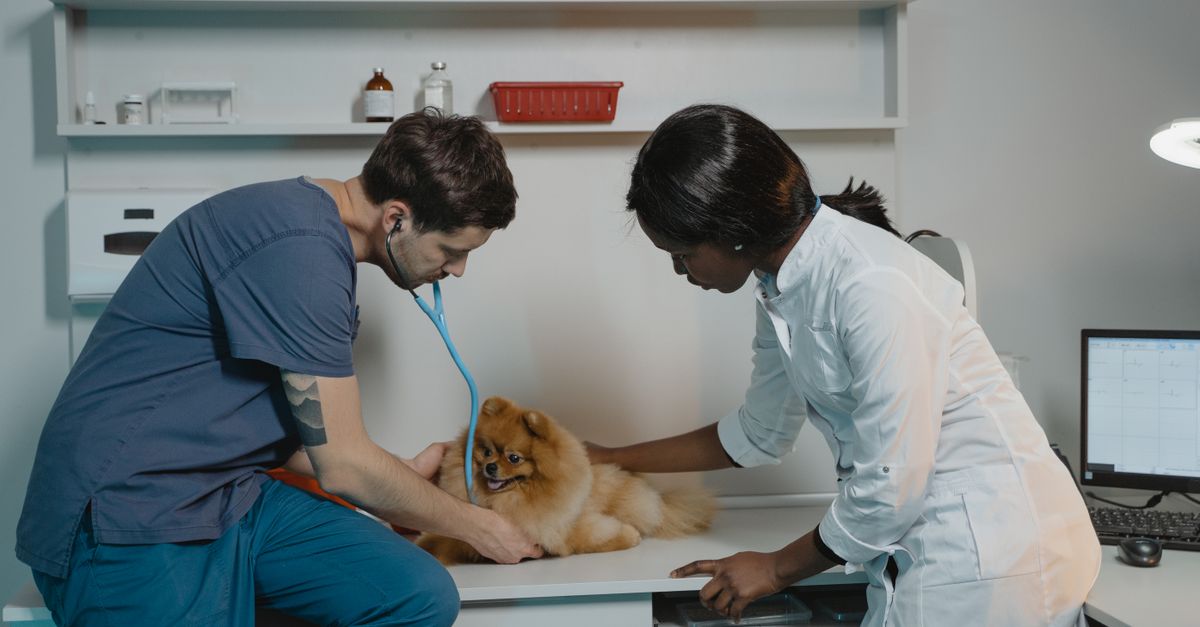
A qualified exotic animal veterinarian can listen to your ferret’s lungs, run diagnostic tests if necessary, and prescribe safe, species-appropriate medications such as nebulizer treatments, anti-inflammatories, or antibiotics. Never administer human over-the-counter cold medications, cough syrups, or pain relievers to a ferret, as many common household compounds are highly toxic to small mammals.
During veterinary visits, be prepared to discuss your home’s heating setup, the exact type of bedding and litter you use, and any recent changes in household cleaning habits. This background information helps your veterinarian pinpoint whether the respiratory flare-up is environmental, infectious, or secondary to another underlying systemic condition, such as cardiac disease.
When transporting your ferret to the clinic during freezing winter weather, take extra precautions to prevent thermal shock. Place a warm blanket over the carrier and shield it from bitter outdoor winds while walking from the house to the car. Pre-warm your vehicle’s interior before loading the carrier, and avoid placing the carrier directly against freezing car windows or uninsulated trunk floors. Ensuring a smooth, draft-free transport experience protects a compromised respiratory system from enduring additional stress during transit.
Creating a Year-Round Preventative Routine
While winter demands heightened attention, respiratory care should be a consistent part of ferret ownership. Establishing solid cleaning, monitoring, and husbandry habits during the colder months sets a strong foundation for the rest of the year. Make air quality checks part of your weekly chore list alongside cage cleaning and nail clipping.
Keep your home clean by vacuuming frequently with a HEPA-filter vacuum cleaner, which traps fine pet dander and dust instead of redistributing it into the air. Avoid using aerosol room fresheners, scented candles, incense, or harsh chemical cleaning sprays anywhere near the ferret enclosure. These products release volatile organic compounds (VOCs) that irritate sensitive lungs. By controlling the immediate environment, monitoring humidity vigilantly, and responding promptly to early symptoms, you can ensure your ferrets enjoy a safe, comfortable, and healthy winter season.
Long-term respiratory wellness also relies on proper nutrition and routine veterinary wellness checks. Feeding a high-protein, meat-based diet supports overall immune function, helping your ferrets naturally ward off seasonal pathogens. By staying proactive and maintaining clean, well-humidified air, you eliminate major environmental risk factors, giving your pet the best possible quality of life year-round.