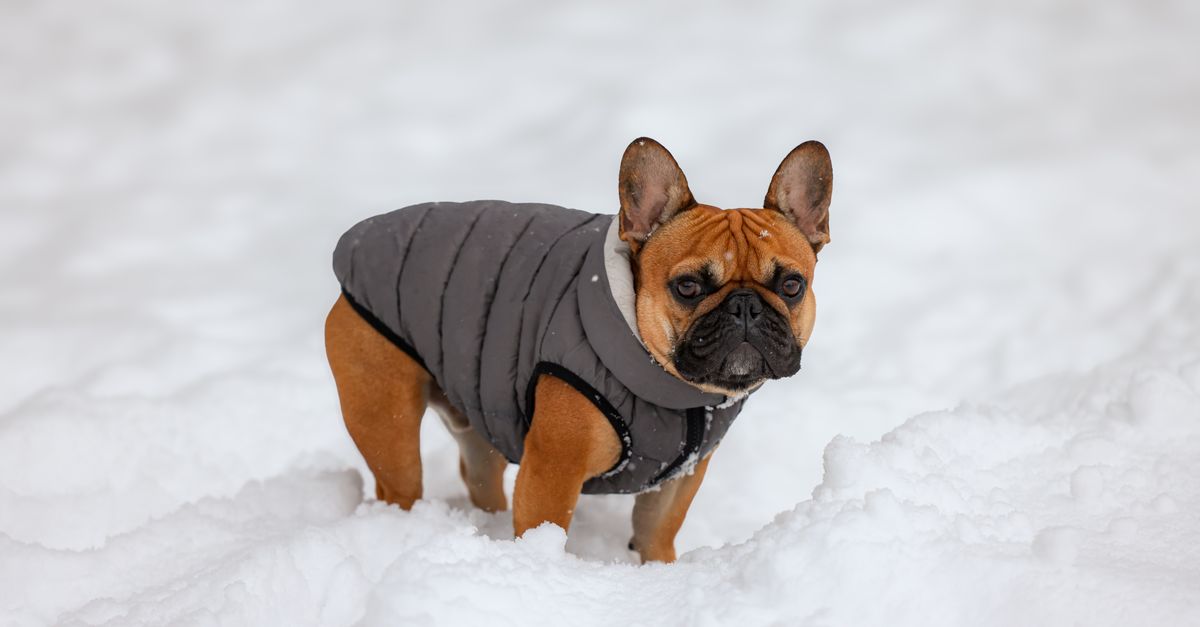
When extreme weather arrives—whether it is sub-zero winter temperatures coated in abrasive rock salt or blistering summer pavement—protecting your dog’s paws becomes a health priority. Yet, asking a dog to strap on four rubber or fabric shoes often results in dramatic paw-lifting, high-stepping comedy, or stubborn refusal to budge. Following a structured dog booties training guide transforms this frustrating battle into a low-stress routine. Dogs are not born knowing how to walk in footwear; the sensation of restricted toe spread and muffled ground feedback feels entirely alien to their predatory instincts.
Successfully transitioning your dog to paw wear relies on the science of desensitization and counter-conditioning. Instead of forcing boots onto your pet’s feet right before a walk, you must break the process down into tiny, manageable steps. By pairing the presence of the boots, the touch of your hands, and the actual footwear with high-value reinforcement, you can help your canine companion accept—and even look forward to—wearing protection.
Understanding the physiological mechanics behind why dogs need paw protection in the first place can also help motivate your training consistency. During winter walks, municipal de-icing chemicals—such as calcium chloride, magnesium chloride, and traditional rock salt—can severely irritate, dry out, and crack canine paw pads. When dogs lick their paws after a walk to clean off these chemical residues, they can ingest harmful toxins that lead to gastrointestinal upset. Similarly, summer asphalt can quickly reach temperatures high enough to cause severe thermal burns and blistering on sensitive paw leather within seconds. Footwear acts as an essential barrier, but only if your dog is willing to wear them without experiencing panic or distress.
Understanding Why Dogs Resist Paw Wear
To train your dog effectively, you need to understand why they object to shoes in the first place. Dogs explore and interpret the world largely through their paws, which are packed with sensitive nerve endings and sweat glands. Paws provide vital proprioceptive feedback, telling the brain how the body is positioned and what kind of terrain is beneath them. Slipping stiff rubber or fabric over these sensitive structures abruptly cuts off that sensory input.
Furthermore, many dogs experience innate tactile defensiveness around their feet. In the wild, a wounded paw meant vulnerability, so instinct drives many dogs to pull away when their legs or paws are handled. When you add heavy-duty rubber soles or hook-and-loop fasteners that make noise, the reluctance multiplies. Recognizing that your dog’s resistance is rooted in confusion and mild sensory overload—rather than stubbornness—sets the right tone for a patient, compassionate training process.
It is also vital to consider individual variation among breeds and personality types. Independent hounds or high-drive working dogs may care less about minor discomforts once they are in motion, whereas sensitive companion breeds or rescue dogs with unknown histories might view paw handling as a direct threat. If your dog exhibits freeze responses, whale eyes, or lip-licking when you touch their lower legs, you must dial back your expectations and invest extra time in foundational confidence-building before you ever bring a shoe near them.
Step 1: Establishing Positive Associations with the Gear
Before any footwear touches your dog’s legs, you must change how your dog feels about the physical objects. Start by placing the booties on the floor in a neutral room. Let your dog sniff, investigate, and explore them at their own pace. Every time your dog sniffs the boots, calmly praise them and drop a high-value treat, such as a small piece of cooked chicken or freeze-dried liver, right next to or on top of the boots.
Repeat this short exercise over several brief sessions spanning a day or two. The goal is simple: your dog should see the appearance of the boots as a predictor of delicious rewards. If your dog shows avoidance or anxiety, slow down and move further away from the boots, gradually closing the distance only as your dog displays relaxed, curious body language.
To accelerate this process, you can transform the boots into interactive puzzle pieces. Place treats loosely inside wide-mouth boots or scatter kibble around them so your dog has to actively interact with the gear to find the food. By turning the boots into a game board, you replace apprehension with eager anticipation. Remember to keep these sessions brief—two to three minutes at a time is plenty. Frequent, short positive exposures are far more effective than long, exhausting training marathons that test your dog’s patience.
Step 2: Desensitizing Paw Handling and Touch
While your dog is learning to love the sight of the footwear, you need to prepare their paws for being touched, squeezed, and manipulated. Many dogs tolerate casual petting but stiffen up when someone grips their wrist, dewclaw, or individual toes.

Begin by gently touching your dog’s shoulder and slowly sliding your hand down the leg toward the paw. If your dog remains calm, deliver a treat. Practice gently lifting each paw for a fraction of a second, setting it right back down, and rewarding. Gradually increase the duration you hold the paw, gently squeezing between the toes to mimic the snug fit of a boot cuff. If at any point your dog pulls their paw away, stop, reset, and lower your criteria. Never force or pin a leg down, as this triggers defensive struggling and ruins trust.
Incorporate a conditional marker, such as a clicker or a verbal “Yes!,” right at the exact moment your hand touches the paw, followed immediately by delivering the food reward. This establishes a clear cause-and-effect relationship in your dog’s mind: paw contact equals good things happening. Work systematically around all four legs, as many dogs are naturally more sensitive about their rear paws than their front ones due to restricted visual oversight.
Step 3: Correct Sizing and Fit Adjustments
Even the best training plan will fail if the boots do not fit correctly. Ill-fitting footwear causes chafing, slips around, or falls off entirely, creating discomfort that reinforces your dog’s desire to reject them.
- Measure accurately: Always measure your dog’s paw width while they are standing, as weight-bearing causes the paw to spread out. Press their paw down onto a piece of paper, mark the widest points, and measure the distance.
- Check the manufacturer chart: Every brand sizes differently. Do not assume your dog wears a “medium” across all manufacturers.
- Evaluate fasteners: Look for wide hook-and-loop straps or dual-strap systems that secure the boot firmly above the carpal pad on front legs and hocks on rear legs without cutting off circulation.
- Trim nails: Long nails are the number one enemy of dog boots. They puncture toe caps, cause inner friction, and make it impossible for the paw to sit flat inside the shoe.
When evaluating different boot styles, consider your specific environment. Silicone balloon-style booties offer incredible flexibility and waterproof protection, making them fantastic for wet snow and rainy spring walks, but they lack structured soles for rocky terrain or extreme heat. Cordura fabric boots with heavy Vibram rubber soles provide maximum durability and traction on icy mountain trails, but their stiffness requires a more thorough breaking-in period during your indoor training sessions.
Step 4: The First Single-Boot Introduction
Once your dog is comfortable with paw handling and excited by the presence of the gear, you can introduce a single boot. Do not attempt to put all four on at once. Start with a front paw, as dogs generally have better awareness of their front limbs.
Gently slip one boot onto a front paw and secure it snugly. Immediately scatter a handful of treats, engage your dog in a favorite game of tug, or feed a high-value chew toy. The objective is instant distraction and heavy reinforcement. Leave the boot on for no more than 30 to 60 seconds. Then, calmly remove it and stop the game. By keeping the initial session extremely short, you prevent your dog from panicking or launching into an elaborate chewing campaign against the footwear.
Watch your dog’s demeanor closely during this window. If they immediately attempt to lie down and chew at the boot, use dynamic movement—like running down the hallway or tossing treats across the room—to encourage them to stand up and walk. Movement naturally overrides the urge to fuss over the foot covering because their brain switches from focusing on the novelty of the shoe to tracking the trajectory of the food or toy.
Step 5: Gradual Duration and Multi-Paw Progression
As your dog accepts one boot for a minute without freezing or trying to rip it off, slowly expand the challenge.
First, increase the time your dog wears that single boot from one minute to three, then five minutes, while indoors on familiar non-slip flooring. Once your dog can walk around normally with one boot, add a second boot to the opposite diagonal leg (e.g., front left and rear right), which helps maintain natural balance. Finally, progress to all four paws.
Expect some comical high-stepping during the four-boot phase. Dogs often lift their legs abnormally high because they cannot feel the floor. Do not scold or pull your dog along on a leash; instead, use treats and toys to lure them into taking a few normal forward steps. Praise enthusiastic movement immediately.
Indoor flooring plays a crucial role during this multi-paw phase. Hardwood, tile, and laminate surfaces can be slippery even for dogs wearing bare paws, let alone new boots. Whenever possible, practice your multi-paw sessions on area rugs, carpeted hallways, or yoga mats to provide extra traction while your dog figures out how to coordinate their limbs.
Step 6: Transitioning to Outdoor Environments
Taking the training outside is the ultimate test. The outdoor environment introduces exciting smells, changing temperatures, and entirely different footing that can distract your dog from their new shoes.
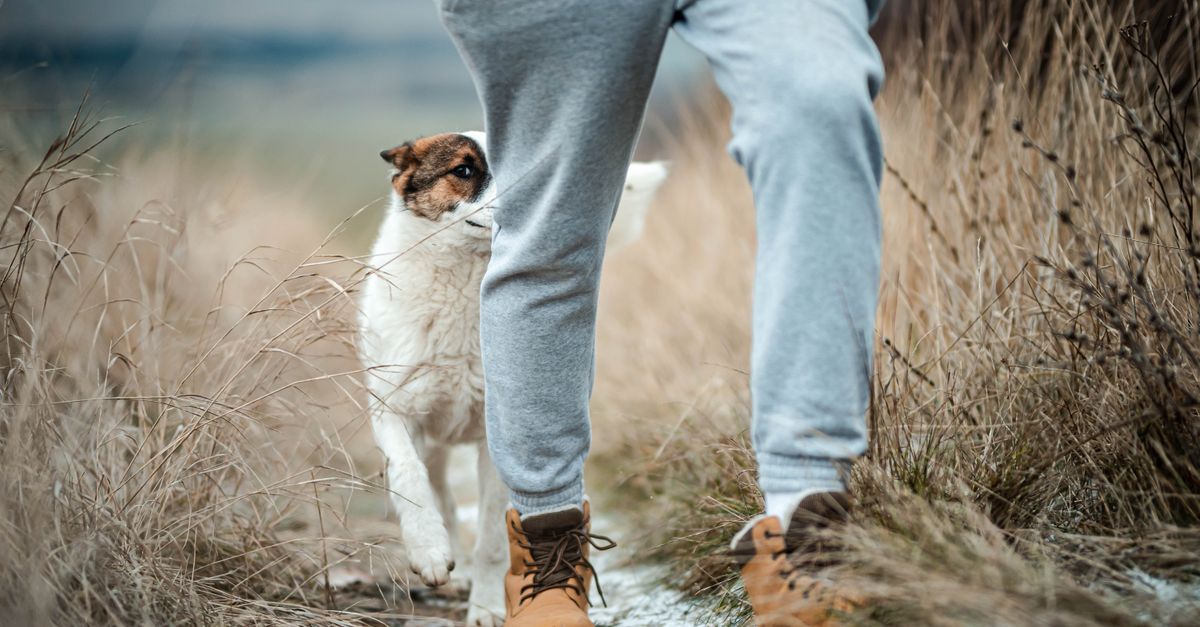
For your first outdoor session, put the boots on indoors right before heading out. Step immediately through your exterior door into a low-distraction area like a quiet hallway, driveway, or backyard. Walk for just two to three minutes before heading back inside and removing the boots, finishing with a celebratory reward.
Gradually lengthen your outdoor walks over the course of a week. Always check your dog’s paws immediately after removing the boots. Look for any signs of redness, chafing, or irritation around the dewclaws and ankle joints. If you notice a hot spot, adjust the tightness of the straps or switch to a seamless liner sock designed for canine footwear.
As your outdoor excursions grow longer, pay attention to weather-specific challenges. In deep snow, check the top cuffs of the boots to ensure snow isn’t packing down inside the shoe against your dog’s ankle. In muddy conditions, make sure the fasteners remain secure despite moisture and grit working their way into the hardware. Establishing a consistent post-walk routine—wiping down the boots, drying your dog’s fur, and storing the gear properly—helps cement this activity as a predictable, safe part of your daily life together.
Common Mistakes to Avoid During Training
Even well-intentioned owners often stumble into pitfalls that stall progress. Avoid these common errors to keep your dog’s training on track:
- Rushing the timeline: Trying to go from zero boots to a four-mile hike in one afternoon almost always backfires. Respect your dog’s emotional pace.
- Using walks as the only training time: If your dog only experiences boots right before an outdoor trek, they will associate the gear with stress or cold weather. Practice short, fun sessions indoors while watching television.
- Ignoring signs of stress: Lip licking, yawning, pinning ears back, or refusing treats indicate that your dog is overwhelmed. Step back to an easier phase of training.
- Neglecting nail maintenance: Sharp nails inside a boot create friction points that can tear through fabric and injure the paw pads.
Another frequent oversight is neglecting proper cleanup and maintenance of the gear itself. Salt, ice melt, and mud can cake onto zippers, Velcro straps, and fabric seams, causing them to degrade prematurely or lose their gripping power. Periodically wash and air-dry your dog’s boots according to the manufacturer’s instructions to keep them supple, comfortable, and reliable for every adventure.
Conclusion
Training your dog to wear protective footwear takes time, consistency, and plenty of positive reinforcement, but the payoff is immense. By moving methodically through desensitization, careful sizing, and short indoor practice sessions, you can help your canine companion stride confidently across scorching summer asphalt or icy winter sidewalks. Protecting your dog’s paws ensures safe, comfortable outdoor adventures year-round, keeping those sensitive paw pads healthy no matter what the weather brings.