Living with a long-haired dog brings immense joy, but it also introduces a distinct set of household responsibilities. Whether you share your home with a Shih Tzu, a Golden Retriever, a Pomeranian, or a mixed-breed beauty with a high-maintenance coat, keeping that fur healthy requires consistency, the right tools, and a thoughtful strategy. A proper long haired dog grooming guide focuses as much on your dog’s psychological comfort as it does on the physical state of their coat. Without a regular routine, fine hairs twist together near the skin, forming tight mats that trap moisture, debris, and parasites, leading to skin irritation and pain.
This guide breaks down everything you need to manage an indoor long-haired dog’s coat effectively at home. We will cover the core anatomy of long coats, how to build a realistic daily and weekly schedule, specific tool selection, desensitization techniques for sensitive zones, and proactive steps to stop mats before they require a trip to the professional groomer. By shifting your mindset from reactive dematting to proactive daily maintenance, you can turn grooming into a calm, predictable part of your pet’s routine.
Understanding Long-Haired Coat Types and Anatomy
Before selecting tools or attempting a full grooming session, it helps to understand what you are working with. Long-haired dogs generally fall into two main categories: single-coated breeds and double-coated breeds. Recognizing the difference is critical because using the wrong technique can damage the fur or fail to reach the undercoat where mats originate.
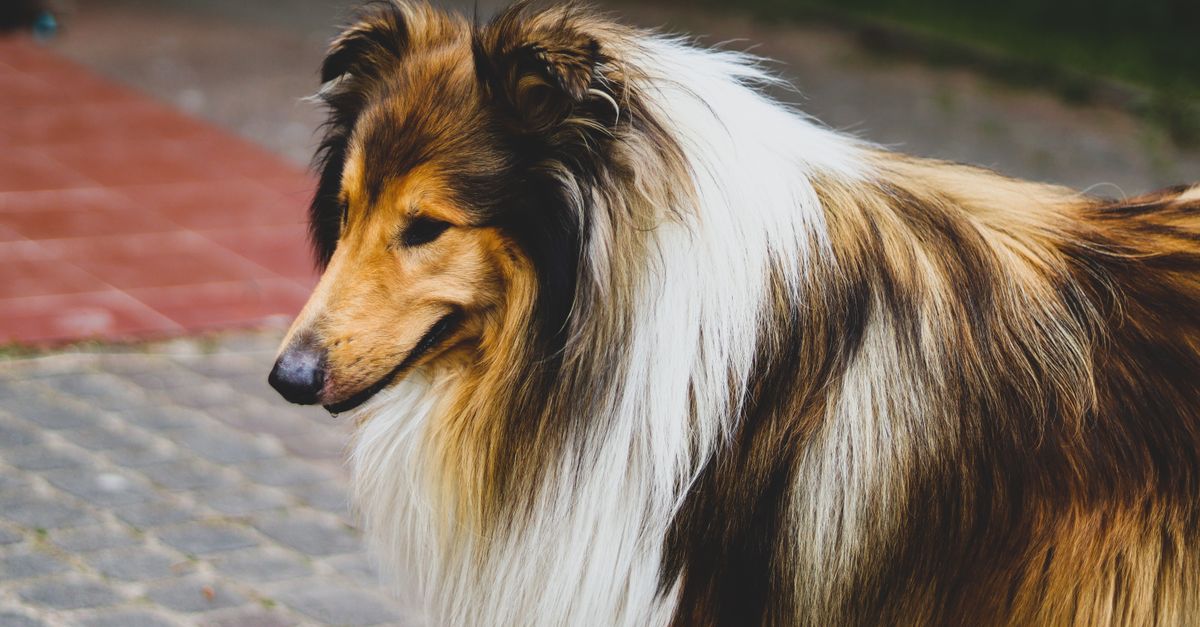
Single-coated dogs, such as Maltese or Yorkshire Terriers, have hair that grows continuously and lacks a dense, insulating undercoat. This hair behaves much more like human hair—it tangles easily and can dry out or break if brushed dry without a conditioning spray. Double-coated dogs, such as Collies or Papillons, feature a soft, dense undercoat protected by longer guard hairs. The undercoat sheds seasonally, and the loose hair easily gets trapped beneath the guard hairs, creating dense felt-like mats if it is not regularly carded out.
Regardless of the specific breed, indoor environments present unique challenges for long coats. Indoor heating and air conditioning dry out dog skin, while synthetic carpets and upholstery can generate static electricity that attracts dust and causes tangles to tighten faster. Furthermore, indoor dogs spend more time lounging against soft surfaces, which continuously presses loose hairs into the coat grain, cementing minor tangles into stubborn knots.
Assembling Your At-Home Grooming Toolkit
Using the wrong brush is the number one reason owners struggle with home grooming. Raking a cheap plastic brush across the top layer of fur creates the illusion of brushing while leaving tight tangles untouched near the skin. Building a functional toolkit means investing in a few professional-grade instruments designed for specific tasks.
First, acquire a high-quality pin brush with rounded, polished tips. Pin brushes are designed to glide through long guard hairs without scraping the skin. Second, add a steel greyhound comb with both coarse and fine teeth. This comb is your truth-teller; if the metal comb cannot glide smoothly from the skin to the tip of the hair, your work is not finished. Third, keep a slicker brush on hand for managing thicker double coats, but use it with a light touch to avoid irritating the skin.
Detangling sprays and leave-in conditioners are also essential for home maintenance. Never brush a long-haired dog completely dry if the coat is prone to static or splitting; a light misting with a water-based detangling spray lubricates the individual hairs, allowing knots to slip apart rather than snap. Avoid heavy human products or formulas with strong artificial fragrances, which can trigger skin sensitivities or attract household dust.
Establishing a Realistic Home Grooming Routine
Attempting to groom a long-haired dog in one marathon session once a month is a recipe for frustration for both of you. Dogs grow impatient, their skin becomes sore from extended pulling, and owners rush the process. A sustainable at-home dog grooming routine relies on frequency rather than duration.
Break your maintenance into micro-sessions. Spend five to ten minutes each evening focusing on a specific zone of the dog’s body—Monday the left flank, Tuesday the right flank, Wednesday the legs, Thursday the chest and belly, and Friday the head and tail. This keeps the dog comfortable, prevents fatigue, and ensures every square inch of the coat gets attention throughout the week.
Reserve one slightly longer session per week or bi-weekly for a thorough check with your metal comb. During this deeper session, systematically part the hair with your fingers to inspect the skin. Look for hidden debris, grass seeds, burrs, or early-stage tangles hiding in the armpits, behind the ears, and around the collar line, which are the highest-friction areas on an indoor dog.
Step-by-Step Dog Brushing Techniques
Mastering correct dog brushing techniques protects the coat’s integrity and ensures your dog remains cooperative. The most common mistake owners make is surface brushing—stroking the top layer of hair while ignoring the dense under-layers near the skin. This leaves hidden mats to grow larger over time.
To brush correctly, use the line-brushing method:
- Have your dog lie comfortably on their side on a non-slip surface, such as a rubber-backed mat.
- Use your non-dominant hand to push the hair upward against the grain, exposing a clear line of skin.
- Take your pin brush or slicker and gently work from the exposed skin outward to the ends of the hair, using short, gentle strokes.
- Once that small horizontal section is completely free of tangles, move your hand up an inch, expose a new line of skin, and repeat the process.
- Finish each section by pulling your metal greyhound comb through the hair to catch any remaining micro-tangles.
Always support the base of the hair near the skin with your fingers when working through a stubborn knot. This prevents the brush from pulling tightly on the skin, which causes dogs to flinch, snap, or develop a lifelong aversion to grooming tools.
Desensitizing Sensitive Paws and Touchpoints
Many dogs become fractious during grooming not because they dislike the brush, but because they are hypersensitive about having their paws, tail, muzzle, or undercarriage handled. Desensitization is a gradual process of teaching your dog that handling these sensitive areas predicts positive outcomes.
Start outside of grooming time in a relaxed setting. Gently touch your dog’s paw for two seconds, immediately follow it with a high-value treat, and release the paw. Repeat this multiple times over several days until your dog shows relaxed body language when you reach for their feet. Gradually increase the duration of the touch, moving from a simple hold to gently separating the toes and examining the fur between the pads.
If your dog pulls away, do not force the issue or tighten your grip; simply pause, wait for them to calm, and try a less intense touch. Incorporating high-value rewards—such as small bits of plain cooked chicken or soft training treats—creates a positive emotional response. Over time, the sight of the grooming brush becomes a cue that treats and positive attention are coming, transforming a potential battle into a cooperative ritual.
Mat Prevention and Safe Removal Strategies
Mat prevention for dogs is vastly easier than dealing with established mats. Mats form when loose hairs twist around living hairs and are compressed by friction, moisture, or body heat. Once a mat tightens against the skin, it cuts off air circulation and can pull the skin painfully tight, sometimes leading to sores or hot spots.
Check high-friction zones daily. These include:
- Behind the ears where collars rub.
- In the armpits and groin where skin folds meet.
- Along the inner thighs and tail base.
- The feathered hair on the back of the legs.
If you discover a minor tangle, never grab a pair of household scissors and attempt to cut it out. The skin of a dog is remarkably elastic and can easily be pulled up inside the blades of scissors, resulting in accidental lacerations. Instead, apply a small amount of detangling spray, use your fingers to gently tease the outer edges of the knot apart, and use a metal comb to pick the hairs loose from the outside in.
If a mat is felted completely solid right down to the skin, do not force a comb through it. It is safer and kinder to carefully clip it out with specialized electric clippers under professional guidance, or visit a groomer to have the area safely shaved without risking injury to the skin.
Managing Mud, Moisture, and Indoor Coat Health
Indoor long-haired dogs still experience the elements during walks, bathroom breaks, and outdoor play. Moisture is a primary catalyst for matting; when a long coat gets wet and is allowed to air-dry naturally without being combed, the individual hairs shrink and lock together into tight felt.
Establish a post-walk protocol for damp or rainy days. Keep a super-absorbent microfiber towel by the door to blot excess moisture from the legs and underbelly immediately upon coming inside. Avoid rubbing the coat vigorously in circles, as friction creates instant tangles; instead, pat and press the towel along the grain of the hair.
If your dog comes inside with muddy paws or legs, let the mud dry completely rather than wiping it while wet, which grinds dirt deeper into the coat. Once dry, much of the soil will brush right out with a slicker brush or metal comb, followed by a quick wipe with a damp washcloth if needed. For dogs prone to swimming or frequent outdoor adventures, investing in a low-heat pet dryer can ensure the undercoat dries completely to the skin, preventing moisture-trapping mats and skin infections.
Seasonal Shedding and Indoor Climate Control
Indoor living alters a dog’s natural shedding cycles. Because homes maintain relatively stable temperatures and artificial lighting year-round, many double-coated indoor dogs shed lightly and continuously rather than blowing their coats in massive seasonal events. This steady stream of loose undercoat requires consistent management.
During transitional spring and autumn months, increase your brushing frequency. Introduce a deshedding tool or undercoat rake once a week to pull out dead undercoat before it has a chance to mingle with the topcoat. Always ensure the coat is free of tangles before using any specialized shedding blade or rake, as these tools can catch on existing knots and cause discomfort.
Maintaining proper indoor humidity also supports coat health. Extremely dry indoor air during winter causes static electricity, which makes individual hairs stand on end and tangle with minimal movement. Using a room humidifier in areas where your dog spends the most time can significantly reduce static, making daily brushing smoother and more comfortable for your pet.
When to Seek Professional Grooming Support
Even with a dedicated at-home routine, partnering with a professional groomer is an essential component of long-haired dog care. Professional groomers possess specialized equipment, hydraulic tables, high-velocity forced-air dryers, and professional styling shears that make complex maintenance much safer and more efficient.
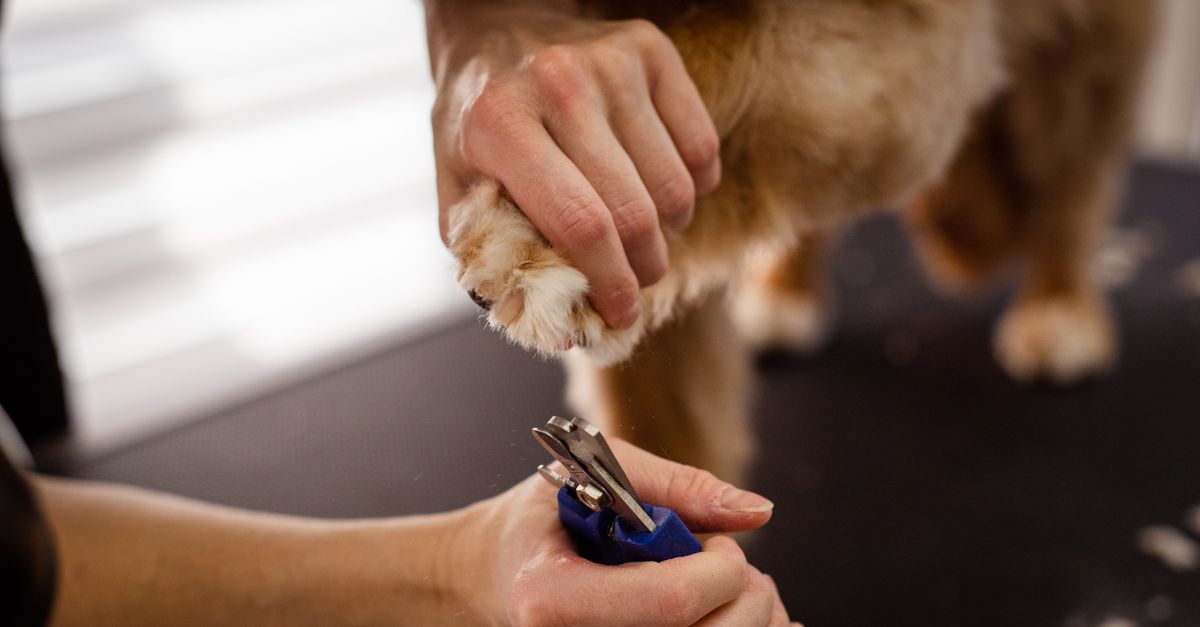
Consider scheduling professional visits every six to eight weeks for a full bath, blowout, sanitary trim, and nail maintenance, while maintaining the day-to-day upkeep at home. A high-velocity dryer in a professional salon is uniquely effective at blowing out trapped undercoat and debris that home towels and standard brushing cannot reach.
You should also seek professional help immediately if your dog develops severe matting that covers large portions of the body, shows signs of skin redness, flaking, or infection beneath a knot, or displays persistent aggression during handling. Forcing an aggressive or painful grooming session at home damages your bond of trust and can lead to injury. A professional can reset the coat cleanly, giving you a fresh slate to maintain with your daily positive-reinforcement routine.
Conclusion
Maintaining the coat of an indoor long-haired dog is a commitment, but it is one that pays off in spades through your pet’s comfort, health, and appearance. By trading stressful marathon grooming sessions for short, daily micro-habits, choosing the right tools like pin brushes and metal combs, and prioritizing desensitization for sensitive touchpoints, you create a peaceful ritual that strengthens your connection. Remember that grooming is not just about aesthetics; it is an invaluable wellness check that allows you to catch skin issues, parasites, or discomfort early. Stay patient, keep sessions positive, and enjoy the reward of a healthy, beautiful companion by your side.