Few household annoyances rival a stubborn kitchen or bathroom drawer that jams halfway open, scrapes loudly against the face frame, or requires a sharp yank to close. Whether you are dealing with vintage furniture featuring classic side-hung wooden rails or newer cabinetry utilizing metal side-mount slides, understanding how to fix sticking drawer mechanisms saves you from replacing entire furniture pieces or calling an expensive carpenter. Drawers stick for a variety of predictable reasons, ranging from seasonal humidity expansion to loose mounting hardware, sagging bottoms, and decades of accumulated kitchen grease.
Fixing the issue rarely requires professional help or expensive specialty tools. In most cases, a flashlight, a screwdriver, a piece of coarse sandpaper, and the right type of lubricant are all you need. This manual walks you through a systematic diagnostic process to locate the exact source of friction, repair structural sagging, service wooden runners, and adjust metal tracks so your drawers glide effortlessly once again.
The Diagnostic Approach: Finding Where the Drawer Binds
Before you grab any tools or start sanding down wood, you need to isolate the precise point of contact causing the friction. A drawer box is a six-sided assembly that moves within a tight cabinet opening, meaning even a fraction of an inch of misalignment will cause binding. Start by pulling the drawer completely out of the cabinet. If the cabinet allows, remove it entirely and set it on a stable workbench or a flat table for inspection.
Look closely at the sides of the drawer box, the bottom edges, and the cabinet frame itself. You are looking for visual clues such as shiny polished spots where wood has been rubbing against wood, dark scuff marks, or areas where dust has packed densely into corners. Next, inspect the drawer tracks or runners. On wooden systems, look for splintered edges, chipped runners, or warped side panels. On metal systems, check for bent tracks, missing ball bearings, or loose screws that protrude just enough to catch the moving track.
Reinsert the drawer halfway and slide it slowly while shining a flashlight into the gaps. Pay attention to whether the binding happens immediately upon entry, halfway through the travel, or right as the drawer face hits the cabinet frame. This simple diagnostic check prevents you from wasting time adjusting tracks that are perfectly fine while ignoring a warped drawer box or a swollen stile.
Furthermore, consider the physical environment surrounding the sticking drawer. Is it located directly beneath a sink where plumbing leaks might have caused wood swelling? Is it an upper vanity drawer subjected to daily humidity from hot showers? Documenting these variables ensures your repair addresses the root environmental cause rather than just treating the temporary symptom.
Understanding Wooden Runner Friction and Seasonal Humidity
Traditional cabinetry relies on solid wood runners attached to the sides of the drawer box that slide directly against wooden guide rails mounted inside the cabinet box. Because solid wood absorbs moisture from the air, these systems are particularly susceptible to seasonal weather changes. During humid summer months, wood swells across its grain, making the drawer box physically wider and tighter within the cabinet opening. When winter arrives and indoor heating dries the air out, the wood contracts again.
When wood rubs against wood, friction is inevitable. Over time, homeowners often make the mistake of applying household cooking oils, petroleum jelly, or heavy grease to ease the movement. This is a critical mistake. While wet oils provide temporary relief, they quickly attract kitchen dust, pet hair, and airborne grease, transforming into a sticky, gummy paste that locks the drawer tighter than before. True restoration of wooden slides requires cleaning away old buildup and using dry lubricants that repel dust.
Understanding grain direction is also essential when working on vintage wooden slides. Wood expands primarily across its width rather than its length. Therefore, side rails and drawer side panels are prone to widening in humid weather, whereas the length remains relatively stable. If you notice a drawer sticking only during specific months of the year, seasonal humidity is almost certainly the primary culprit, and managing indoor humidity levels through air conditioning or dehumidification can prevent recurring friction issues.
Step-by-Step Guide to Cleaning and Waxing Wooden Rails
If your wooden drawers drag or squeak, a thorough cleaning and waxing session will usually restore smooth operation. Follow these steps to service wooden side-mount slides properly:
- Remove and Inspect: Take the sticking drawer out of the cabinet and place it on a flat surface. Inspect both the runners attached to the drawer sides and the matching tracks inside the cabinet carcass.
- Clean Away Gunk: Scrape away any old, hardened wax, food debris, or sticky residue using a plastic putty knife. Wipe down the wooden surfaces with a cloth dampened slightly with mineral spirits to cut through grease. Let the wood dry completely.
- Smooth Rough Patches: Feel the sliding surfaces with your hand. If you notice rough patches, raised grain, or minor splintering, sand the area lightly using medium-grit sandpaper (around 120-grit), finishing with fine 220-grit sandpaper until the wood feels smooth to the touch. Never sand aggressively enough to alter the structural fit of the drawer.
- Vacuum Dust: Thoroughly vacuum away all sawdust and debris from both the drawer box and the interior cabinet tracks. Any grit left behind will act as an abrasive paste.
- Apply a Dry Lubricant: Rub a block of pure paraffin wax, a specialized furniture sliding wax, or even a plain unscented beeswax candle vigorously along the contact surfaces of both the drawer runners and the cabinet tracks. Apply an even, thin coat. The friction of operating the drawer will buff the wax into the pores of the wood, creating a slick, long-lasting barrier that repels moisture and dust.
When applying wax, make sure you do not neglect the center guide rails if your cabinetry uses a three-point wooden sliding system (consisting of two side rails and a central bottom guide). Center guides take a significant amount of vertical weight and require equal attention during the cleaning and waxing process. Always buff the wax thoroughly after application so it does not leave thick clumps that can catch and trap dirt particles.
Addressing Sagging Drawer Boxes and Bottom Panels
Sometimes a drawer sticks not because the side rails are misaligned, but because the entire drawer box has sagged out of square, causing the bottom edge to drag along the bottom of the cabinet opening. Overloaded kitchen drawers—especially those holding heavy cutlery blocks, canned goods, or dense pots and pans—frequently experience structural fatigue at the joints.
Examine the four corners of the drawer box. Are the dovetail or dowel joints pulling apart? Is the thin plywood bottom panel sagging downward out of its dado groove? If the joints are loose, the drawer box loses its rigidity and becomes trapezoidal rather than rectangular. To fix this, empty the drawer, apply a generous amount of yellow wood glue into the loose joinery, and clamp the box securely back into a square shape using bar clamps. Let the glue cure completely for at least 24 hours before reinstalling.
If the thin bottom panel has warped or sagged downward, you can reinforce it quickly from underneath. Cut small triangular wood corner blocks and glue or screw them into the interior corners where the bottom panel meets the sides and back. Alternatively, attach a small strip of stiff wood or a metal mending brace underneath the center of the drawer bottom running from front to back, effectively bridging the sag and keeping the bottom panel elevated above the cabinet framing.
For older drawers assembled with simple stapled or nailed butt joints, reinforcing the interior corners with small L-brackets can add decades of life to the assembly. Ensure that any screw heads used for reinforcement are countersunk flush or slightly below the surface so they never interfere with items stored inside the drawer or catch on the interior cabinet space.
Troubleshooting and Adjusting Modern Metal Drawer Slides
While wooden runners are common in antique or custom-built cabinetry, modern kitchens and vanities typically utilize side-mount or undermount metal drawer slides. These systems provide exceptional load capacity, but they are also vulnerable to mechanical failure, track distortion, and alignment issues over years of heavy use.
When a metal-tracked drawer sticks or refuses to close flush, the problem usually stems from loose mounting screws. Every time you pull a loaded drawer, the leverage places intense outward and downward pressure on the cabinet-side screws. Over time, these screws back out just a fraction of an inch. When the screw heads protrude past the plane of the slide track, the moving inner rail catches against them, causing a sudden jam or grinding noise.
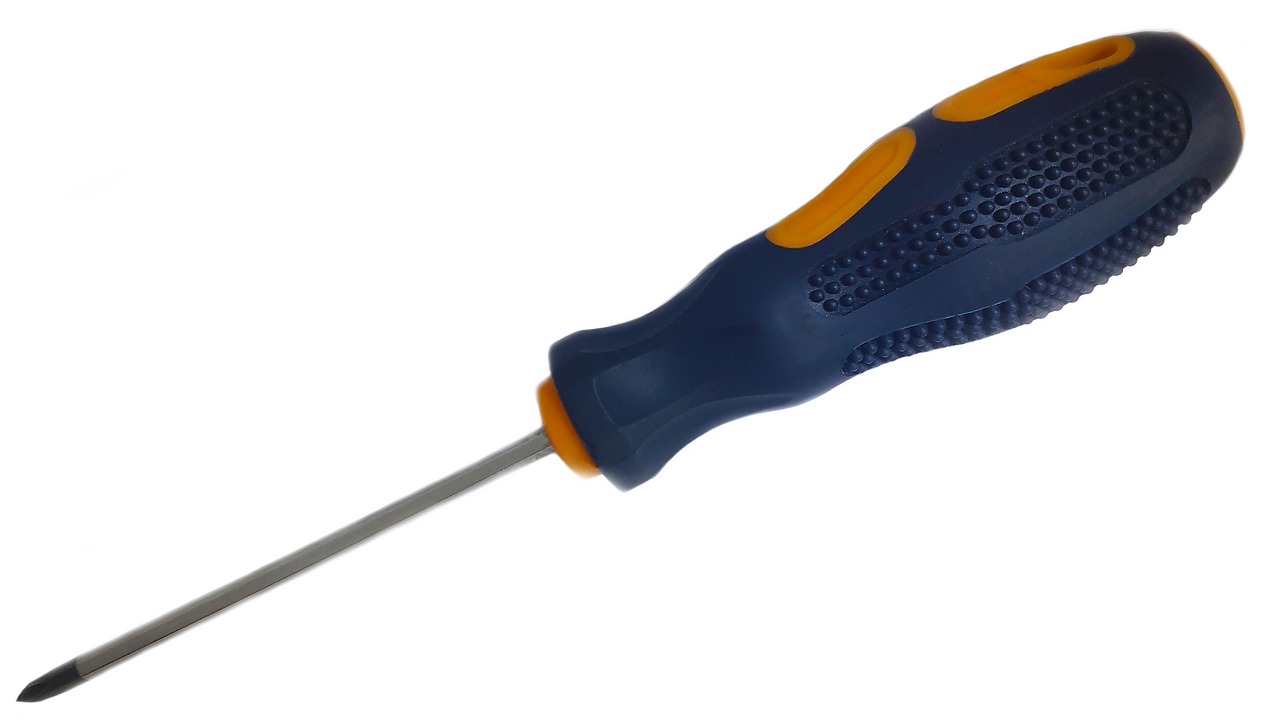
Pull the drawer out and inspect the screw heads along the cabinet walls and the sides of the drawer box. Use a manual screwdriver or a drill set to a low clutch setting to tighten every loose screw flush with the metal track. Avoid over-tightening, as this can strip the screw holes in particleboard or soft wood cabinet frames. If a screw hole is stripped out, remove the screw, insert a small wood sliver (such as a toothpick dipped in wood glue) into the hole, let it dry, and then drive the screw back in for a secure bite.
In addition to loose screws, inspect the lubricant condition inside metal tracks. While wooden slides require dry wax, modern metal ball-bearing slides often benefit from a light application of a dry PTFE spray or a silicone-based lubricant. Avoid heavy automotive greases, which attract dirt and turn metal slides into gritty, abrasive tracks that wear out the ball bearings prematurely.
Realigning Bent Tracks and Fixing Alignment Issues
If tightening the screws does not resolve the binding on a metal slide system, the steel tracks themselves may be bent or out of parallel alignment. Metal slides require precise parallel spacing; if the tracks at the front of the cabinet are spaced slightly wider or narrower than the tracks at the rear, the ball-bearing carriage will bind and refuse to roll smoothly.
Check the alignment by measuring the distance between the left and right cabinet tracks at both the front frame and the rear mounting brackets. The measurements should match within a sixteenth of an inch. If a track has been bumped or warped, you can often gently adjust it by loosening the mounting screws on the slotted adjustment holes, shifting the track slightly into proper alignment, and retightening the screws.
If a metal slide rail is visibly bent or dented from an impact, do not attempt to force the drawer closed, as this will destroy the ball bearings inside the raceway. Remove the damaged slide section and inspect it. Minor bends in the outer lip of a steel track can sometimes be carefully straightened using a pair of needle-nose pliers or a small rubber mallet. However, if the ball-bearing carriage is rusted, missing bearings, or structurally warped, replacing the slide set entirely is inexpensive, fast, and provides an immediate permanent fix.
When replacing metal slides, always purchase a set that matches the exact length and weight rating of the original hardware. Standard slide lengths range from 12 inches to 28 inches in two-inch increments. Measure the existing drawer box depth from front to back to ensure your replacement hardware allows the drawer to close completely flush with the cabinet face frame.
Preventive Maintenance to Keep Drawers Sliding Smoothly
Once you have restored your drawers to smooth, effortless operation, a small amount of routine maintenance prevents the frustration from returning. Kitchen and bathroom environments subject cabinetry to unique stresses, including high humidity, steam, and airborne grease particulates.
Adopt these simple preventative habits to protect your repairs:
- Watch the Weight Limits: Avoid overloading drawers with items beyond their engineered capacity. Heavy items like cast iron skillets or stacks of ceramic dinnerware strain drawer joints and accelerate slide wear.
- Control Kitchen Moisture: Use exhaust fans during cooking to vent steam, which prevents solid wood runners from swelling excessively during humid summer months.
- Clean Periodically: Once a year, vacuum out dust and crumbs from drawer tracks. Reapply a light coat of paraffin wax to wooden runners or a specialized dry silicone spray to metal tracks.
- Inspect Hardware Annually: Check cabinet and drawer screw tightness during your routine home maintenance checks to catch loose hardware before tracks distort.
By understanding the mechanical principles behind drawer friction, tackling wooden and metal systems with the appropriate techniques, and avoiding common pitfalls like wet oils, you can easily maintain every drawer in your home in peak operating condition. Taking twenty minutes to inspect and wax your cabinet slides annually preserves the structural integrity of your furniture and eliminates daily household friction entirely.