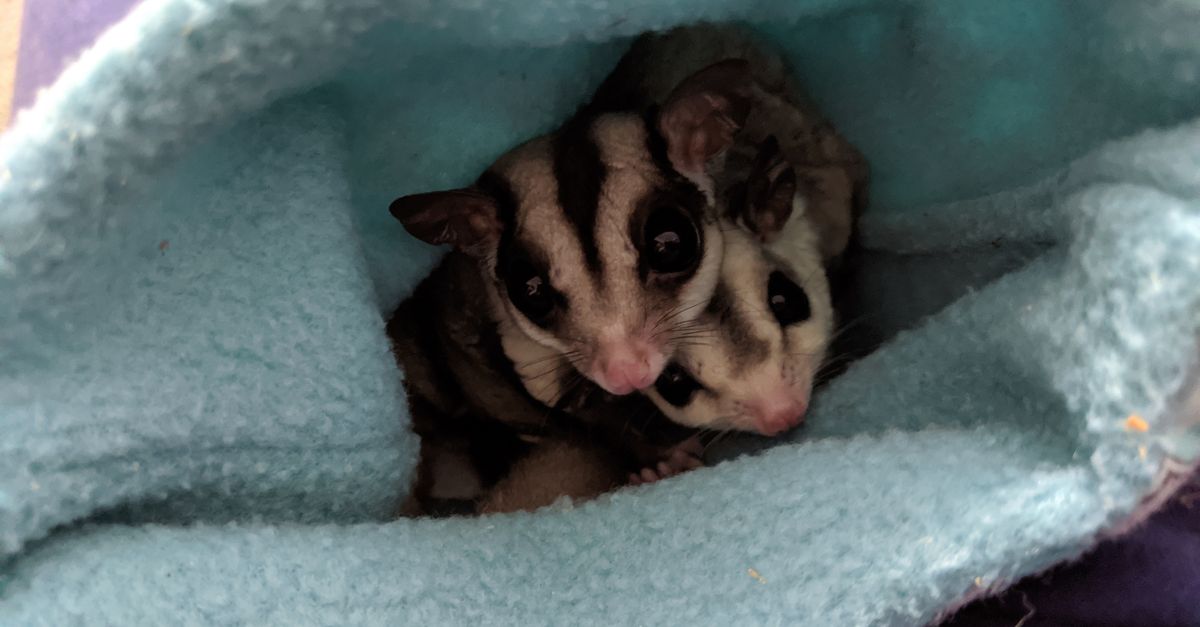
Maintaining a thriving indoor environment for pet sugar gliders requires an understanding of their unique physiology, nocturnal habits, and high sensitivity to environmental shifts. When you search for a comprehensive sugar glider habitat care guide, you are looking for actionable, veterinary-supported strategies to keep your marsupials healthy, safe, and stress-free. Unlike more domesticated mammalian pets, sugar gliders (Petaurus breviceps) are arboreal marsupials with specialized dietary needs, delicate skin patagia, and specific thermal requirements. Designing a routine that balances rigorous habitat hygiene with gentle handling is essential for preventing common health complications like metabolic bone disease and respiratory distress.
This guide breaks down every core pillar of indoor husbandry. From managing ambient room temperatures and selecting appropriate cage dimensions to executing stress-minimized cleaning days and balancing calcium-to-phosphorus dietary ratios, you will find practical protocols designed for long-term exotic pet wellness. By adhering to these evidence-based standards, owners can drastically minimize the risk of behavioral and physiological disorders, ensuring a long, active life for their colony.
Understanding Sugar Glider Physiology and Environmental Needs
Before modifying enclosures or altering cleaning routines, it helps to understand why sugar gliders react strongly to environmental changes. Native to the canopy forests of Australia, Indonesia, and Papua New Guinea, these small marsupials spend their lives gliding between trees and living in hollow tree cavities. In captivity, they translate their natural need for security into dense nesting pouches and high cage placement, treating any disruption to these structural sanctuaries as a potential predator threat.
Because they are strictly nocturnal, their activity cycles peak during the late evening and early morning hours. Disrupting their daytime rest cycles with loud noises, bright lights, or constant cage intrusion can induce chronic stress, leading to self-mutilation, immune suppression, and behavioral withdrawal. Successful habitat care begins with respecting their biological rhythm, ensuring that major habitat maintenance occurs during their resting hours only when necessary, or better yet, coordinated with their natural waking cycle using a transitional bonding pouch for sugar gliders to keep them secure.
Furthermore, sugar gliders possess highly developed scent glands—located on the forehead and chest of males, and around the cloaca in both sexes. They use these secretions to mark their territory, their pouch mates, and their primary living quarters. When owners scrub away every trace of scent during a deep-cleaning session without leaving familiar markers behind, gliders experience a profound sense of disorientation and territorial panic. Understanding this olfactory reliance is foundational to organizing a humane, low-stress cleaning schedule.
Anatomically, sugar gliders also feature specialized gliding membranes called patagia, stretching from their fifth fingers to their first toes. These fragile membranes require snag-free environments inside the cage; any sharp edges on wire mesh, protruding screws, or frayed fabric loops pose an immediate risk of laceration or tearing. Ensuring a hazard-free structural layout is just as important as maintaining cleanliness.
Setting Up and Maintaining the Ideal Enclosure
Cage selection dictates the baseline of your glider’s physical health. Wire bar spacing is the single most critical structural feature: bars must be spaced no wider than one-half inch apart. Wider bars allow juvenile or even adult gliders to slip through gaps, leading to accidental escapes, injuries, or entrapment. For baby gliders or newly weaned joeys, bar spacing of one-quarter inch is often recommended until they reach full adult size, preventing any dangerous wedging of heads or limbs.
Vertical space is vastly more important than horizontal floor space. Gliders need height to practice vertical leaping and short glides. A minimum cage size for a pair of sugar gliders is typically 24 inches wide by 24 inches deep and 36 inches high, though larger is always better to accommodate multiple perches, foraging toys, and nesting areas. Wire construction should be powder-coated or stainless steel to prevent rust and toxicity from exposed metals. Avoid galvanized wire cages unless you are certain the coating is free of heavy metals like zinc and lead, which can cause heavy metal poisoning if ingested or chewed during normal exploratory gnawing.
Bedding and substrate choices inside the cage require careful consideration. Avoid aromatic wood shavings like cedar or pine; the volatile oils can cause severe respiratory and hepatic irritation in small mammals. Instead, leave cage bottoms bare for easy daily spot-cleaning, or line drop pans with unbleached paper towels or butcher paper. Hemp mats or fleece liners can be used on upper levels, provided they are laundered frequently to prevent bacterial buildup. Avoid loose particle substrates like cat litter, corn cob, or wood pulp, as gliders may ingest these materials during foraging, leading to dangerous gastrointestinal blockages that often require surgical intervention.
Accessory placement is equally vital. Install multiple nesting pouches at the upper third of the cage, as gliders naturally seek high elevations to sleep securely. Incorporate natural, pesticide-free branches from safe wood species—such as apple, pear, or eucalyptus—to encourage natural grip strength and claw maintenance. Ensure that any exercise wheels provided are solid-backed with a safe, enclosed running track (such as Wodent Wheels or Raptor Wheels) to prevent tail injuries or foot entrapment associated with traditional wire-rung running wheels.
Temperature, Humidity, and Airflow Control
Sugar gliders lack the thermal regulatory efficiency of larger mammals and are highly susceptible to both hypothermia and heat stroke. The ambient room temperature in the housing space must remain consistently between 75°F and 80°F year-round, requiring careful monitoring via reliable digital thermometers placed directly adjacent to the enclosure.
- Hypothermia Risks: Temperatures dropping below 72°F can cause gliders to enter a torpor-like state, rendering them lethargic, cold to the touch, and medically vulnerable. In severe cases, prolonged exposure to low temperatures can shut down their digestive systems and lead to fatal organ failure. If your home experiences winter drafts, utilize safe, chew-proof external cage heating panels designed specifically for exotic pets, never placing heating elements inside where animals can access cords or burn their skin.
- Heat Stress: Temperatures exceeding 85°F put them at immediate risk of fatal heat exhaustion. Keep cages away from direct sunlight, drafty windows, and heating or air conditioning vents. Ensure adequate room ventilation without creating direct, chilling drafts across the enclosure.
- Humidity Levels: Ideal indoor humidity ranges between 50% and 60%. Excessively dry air can dry out delicate nasal passages, while stagnant, humid air promotes fungal and bacterial growth on fabric accessories. Use a digital hygrometer mounted near the cage mid-level to track these parameters accurately. If indoor air becomes overly dry during winter heating seasons, a cool-mist room humidifier positioned safely away from electrical outlets can help maintain healthy mucosal membranes.
Pouch Sanitation and Fabric Management
Fabric items—including nesting pouches, bonding pouches, and hanging hammocks—absorb urine, fecal oils, and scent markings rapidly. Unsanitary fabric is a primary breeding ground for ammonia buildup, which directly irritates sensitive respiratory tracts and can cause chronic conjunctivitis, dermatitis, or secondary bacterial infections.
Rotate through at least two sets of fabric accessories so you can wash one while the other is in use. Wash all fleece and cotton items in hot water using unscented, hypoallergenic, dye-free detergents. Avoid fabric softeners and dryer sheets entirely; chemical residues leave films that gliders ingest while grooming or absorb through their skin. Thoroughly rinse all washed items and ensure they are 100% dry before returning them to the enclosure. Check seams and edges weekly for loose threads or fraying, as hanging threads can wrap around tiny toes or limbs and cause restrictive ischemic injuries.
When introducing newly laundered items, it is often helpful to rub a clean piece of fleece or an unwashed piece of fabric against the outside of their currently occupied pouch to transfer some familiar scent markers. This practice mitigates the territorial stress associated with completely sterile, scent-free new accessories.
Nutritional Foundations: Calcium, Phosphorus, and Diet Setup
No discussion of habitat and daily care is complete without addressing nutritional health, as diet directly impacts structural stability and energy levels. Sugar gliders require strict adherence to specific nutritional models, such as popular structured diet plans like the Priscilla Price (PPIG) or Cleveland Museum of Natural History (CMNH) diets, which balance fresh fruits, vegetables, specialized protein sources, and calcium supplements.
The golden rule of sugar glider nutrition is maintaining a positive calcium-to-phosphorus ratio (ideally 2:1). Phosphorus binds calcium in the bloodstream, and an inverted ratio forces the animal’s body to leach calcium from its own bones to maintain baseline cellular function. This results in metabolic bone disease, a painful and frequently fatal condition characterized by paralysis, tremors, and spontaneous fractures.
- Fresh Produce: Offer low-phosphorus, high-calcium vegetables like dark leafy greens (collards, turnip greens), sweet potatoes, and moderate amounts of safe fruits like papaya, apples, and berries. Avoid high-phosphorus foods like corn, nuts, and certain seeds unless strictly balanced by a veterinarian-approved meal plan.
- Protein Sources: Supplement with cooked unseasoned chicken, hard-boiled eggs, or specialized insect feeders like mealworms and crickets, dusted with pure calcium carbonate without phosphorus. Ensure all insect exoskeletons are soft or appropriately sized to prevent digestive impaction.
- Hydration: Provide clean, fresh water daily in a stable ceramic bowl or a reliable, clean-tipped water bottle. Ensure the water source is easily accessible from multiple cage levels and clean bottles twice weekly to prevent biofilm accumulation in the sipper tubes.
Precision is key when preparing these diets. Utilize a digital kitchen scale measuring in grams to ensure accurate ingredient ratios, and discard any uneaten fresh food items within a few hours of placement to prevent bacterial proliferation and flystrike.
Stress Reduction During Routine Habitat Cleaning
Deep cleaning a sugar glider enclosure can be an extremely stressful event. Because gliders rely heavily on scent marking to identify their territory and colony members, scrubbing away every trace of their scent simultaneously can trigger frantic re-marking behavior or behavioral panic.
To minimize stress, adopt a staggered cleaning schedule:
- Daily Maintenance: Spot-clean food bowls, remove uneaten fresh food immediately to prevent spoilage, wipe down soiled plastic shelves with pet-safe enzymatic cleaners, and check water bottles.
- Weekly Rotation: Wash half of the fabric accessories one week and the other half the following week. This leaves familiar scents intact within the cage, providing psychological comfort during habitat maintenance.
- Deep Cleaning: Once a month, remove all toys, branches, and cage fixtures for thorough sanitization while keeping one favorite, lightly soiled pouch in the enclosure to anchor their sense of security. Never use harsh chemical sprays while gliders are inside the cage; relocate them temporarily to a secure bonding pouch or travel carrier in a quiet room.
By treating cleaning as a phased, methodical process rather than a total environmental overhaul, you preserve the familiar olfactory cues that make your gliders feel safe in their home territory.
Marsupial Pet Wellness Monitoring
Daily observation is your best defense against hidden illness. Because prey animals instinctively mask signs of weakness until a condition becomes advanced, routine visual checks during feeding or handling are vital to catching subtle health shifts early.
Use a bonding pouch for sugar gliders during quiet daytime hours to perform a quick, gentle wellness check. Inspect the following health indicators regularly:
- Coat and Skin: The fur should be dense, soft, and free of bald patches. Check the scent gland on a male’s forehead and chest for abnormal swelling, crusting, or infection. Female pouch inspections should look for cleanliness and absence of abnormal discharge.
- Eyes and Nose: Eyes should be bright, clear, and free of discharge. The nose should be clean and dry without wheezing, bubbling, or labored breathing sounds.
- Movement: Watch for smooth, coordinated jumping and running. Limpness, trembling, or favoring a limb indicates injury, neurological weakness, or acute calcium deficiency.
- Weight: Maintain a digital kitchen scale to track weekly weights. Sudden weight loss is often the first indicator of dental disease, internal parasites, or systemic illness, allowing you to consult an exotic veterinarian before the condition worsens.
Establishing a baseline normal weight and demeanor for each individual glider in your colony makes it vastly easier to spot minor deviations that warrant professional veterinary evaluation.
Common Husbandry Mistakes to Avoid
Even experienced exotic pet owners occasionally fall into traps that compromise habitat safety. Avoiding these frequent missteps protects your gliders from unnecessary injury and stress:
- Using Harsh Chemical Cleaners: Household bleach, pine-sol, and ammonia-based window cleaners leave toxic residues that poison marsupials. Stick to diluted vinegar solutions, enzymatic pet cleaners, or veterinary-grade disinfectants followed by extensive rinsing.
- Ignoring Nail Maintenance: Glider nails grow sharp and curved for climbing. Without appropriate natural wood branches or safe mesh exercise wheels, their nails can catch on fleece fabric or scratch human skin excessively. Provide safe, appropriately textured surfaces to encourage natural wear, and consult your vet before attempting any nail trims yourself.
- Housing Solitarily: Sugar gliders are intensely social colony animals. Keeping a single glider without a compatible companion invariably leads to severe depression, self-mutilation, and shortened lifespans. Always house them in pairs or established colonies.
- Overfeeding High-Sugar Fruits: While they love sweet foods, feeding excessive fruit sugars without balancing protein and calcium leads to obesity, dental decay, and nutritional deficiencies. Treat fruits as a minor supplement rather than the bulk of the diet.
Conclusion
Providing exceptional care for indoor sugar gliders demands consistency, attention to detail, and a deep respect for their natural instincts. By maintaining a stable temperature range, adhering to strict calcium-to-phosphorus dietary guidelines, staggering your cleaning routines to preserve familiar colony scents, and utilizing bonding pouches to reduce handling stress, you create a secure environment where your pets can thrive. Commit to daily wellness monitoring and proactive habitat maintenance, and your sugar gliders will reward you with years of active, engaging companionship.