When bringing an indoor cat into your home, managing natural scratching behavior is one of the most critical responsibilities you face. Scratching is not a destructive habit born of spite; it is an instinctive feline necessity. Cats scratch to condition their claws, stretch their muscles, mark their territory through scent glands in their paws, and relieve stress. To save your rugs, upholstery, and doorframes, you need to provide appropriate outlets. This sisal vs cardboard cat scratcher guide explores the two most popular materials on the market—sisal rope and corrugated cardboard—to help you determine which option best suits your cat’s preferences and your household’s durability needs.
Selecting the right scratcher requires looking past clever marketing and understanding the physics of feline claws. Cats need a surface that offers enough resistance to catch the outer sheath of the claw, allowing it to slough off cleanly. At the same time, the scratcher must match how your specific cat likes to move—whether that involves an aggressive vertical reach or a relaxed horizontal shred. By breaking down the structural design, long-term durability, financial investment, and behavioral impacts of both materials, you can invest in gear that your cat will actually use instead of ignoring.
Understanding Feline Scratching Behavior and Anatomy
Before comparing materials, it helps to understand why cats scratch the way they do. A cat’s claws grow in layers, much like an onion. As the outermost sheath becomes worn, dull, or frayed, the cat instinctively seeks out a textured, abrasive surface to pull away the old husk and expose the sharp, healthy claw underneath. This mechanical action requires a medium that can grab the nail without trapping or splintering it.
Furthermore, cats have scent glands located between their paw pads. When they scratch an object, they deposit chemical pheromones that signal to other animals—and to themselves—that this territory is claimed. This is why cats often return to the exact same spots repeatedly. If a cat chooses your sofa, it is usually because the woven fabric offers a satisfying resistance and holds their scent effectively. To redirect this instinct, a scratching surface must mimic or exceed the tactile feedback of your furniture.
Cats also vary significantly in their physical posture when scratching. Some cats are vertical stretchers, preferring to stand on their hind legs, reach as high as possible, and pull downward with their full body weight. Others are horizontal scratchers, preferring to stretch out flat on the floor, attacking the surface from an overhead angle. A few cats are versatile, but most exhibit a distinct preference. Because posture dictates material interaction, matching your cat’s physical style to the right product is essential for success.
Sisal Rope Posts: Materials, Construction, and Mechanics
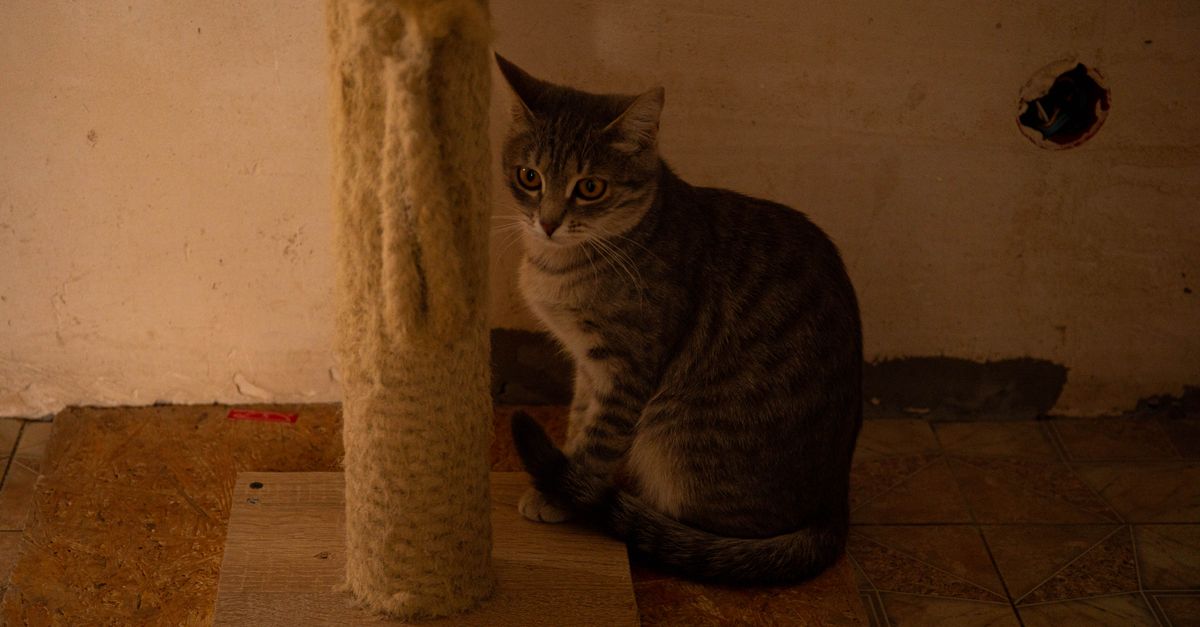
Sisal rope is widely considered the gold standard of scratching post materials by veterinarians, behaviorists, and experienced cat owners alike. Sisal is a natural, coarse fiber harvested from the leaves of the Agave sisalana plant. The fibers are spun into thick, durable strands and wound tightly around a sturdy wooden or cardboard core to create vertical posts, inclined wedges, and complex cat trees.
The primary advantage of sisal rope lies in its fibrous texture. When a cat digs its claws into tightly wound sisal, the fibers provide robust resistance. The claws slip between the individual strands just enough to catch the nail sheath, allowing the cat to exert full pulling force without getting snagged. This mimics the feeling of scratching tree bark in the wild, satisfying deeply ingrained evolutionary drives.
Quality matters immensely when purchasing a sisal post. Premium products use un-oiled, untreated sisal rope wrapped under high tension and secured with heavy-duty staples or non-toxic adhesives. Inferior products may use loose wrapping, synthetic blends, or chemically treated fibers that have a strong chemical odor cats find unappealing. A well-constructed sisal post is heavy and stable, ensuring it does not wobble or tip over when a full-grown cat leaps onto it or pulls against it with maximum force.
Corrugated Cardboard Scratchers: Design, Appeal, and Lifecycle
Corrugated cardboard scratchers represent the most accessible and affordable category of cat scratching products. Typically manufactured from layers of recycled paper shaped into corrugated fluting and packed tightly into a plastic, wooden, or cardboard frame, these scratchers are ubiquitous in pet supply aisles.
Cardboard possesses a unique, highly appealing texture for many cats. The soft, layered paper allows claws to sink deep into the material, creating a satisfying shredding sensation. For cats that enjoy tearing paper, cardboard offers immediate tactile feedback that can be intensely gratifying. Additionally, cardboard scratchers are predominantly horizontal or angled, making them the default choice for cats that prefer floor-level scratching.
However, the lifecycle of a corrugated cardboard scratcher is inherently limited. As cats scratch, they shred the paper flutes, resulting in a steady accumulation of cardboard confetti and paper dust around the base of the pad. While many modern designs feature reversible pads—allowing you to flip the insert over once one side is shredded—cardboard ultimately degrades much faster than sisal rope. In multi-cat households, a standard cardboard pad may be completely destroyed within a matter of weeks, requiring frequent replacement.
Durability Showdown: Which Material Lasts Longer?
When evaluating durability, sisal rope and corrugated cardboard occupy opposite ends of the spectrum. Understanding how each material withstands daily wear and tear helps clarify the long-term value proposition of your purchase.
Sisal rope posts are built for endurance. A high-quality sisal post can easily last anywhere from two to five years, depending on the number of cats in your home and their scratching intensity. Eventually, the rope will begin to fray, typically in the cat’s favorite “sweet spot” around the middle of the post. However, many premium sisal posts feature replaceable columns or allow you to unwrap and re-wrap the rope yourself, significantly extending the product’s overall lifespan.
Corrugated cardboard, by contrast, is a consumable good. Even high-density cardboard engineered to resist rapid breakdown will eventually succumb to repetitive claw action. Once the fluting is torn through, the structural integrity of the pad fails, and it can no longer provide the necessary resistance for effective claw conditioning. While individual cardboard inserts are inexpensive, the ongoing cost of replacing them every month or two adds up over the course of a cat’s lifetime.
If you prefer a low-maintenance household item that you can set up once and forget about for years, sisal wins decisively. If you do not mind sweeping up occasional paper bits and prefer swapping out fresh scratching surfaces frequently, cardboard’s disposable nature can actually be a hygienic benefit.
Claw Conditioning and Nail Health Impact
Both materials fulfill the biological need to shed claw sheaths, but they affect feline nail health in slightly different ways. Observing how your cat interacts with each texture can guide your purchasing decisions.
Sisal rope provides aggressive mechanical scraping. Because the fibers are rigid and tightly bound, they excel at catching old, dead nail husks and stripping them away cleanly. This is particularly beneficial for active indoor cats that need robust resistance to keep their nails trim. However, poorly manufactured sisal with loose strands can occasionally snag dewclaws if the cat pulls at an awkward angle, though this is rare with dense, professional-grade wrapping.
Cardboard offers a softer, more forgiving scratching experience. Cats that are older, recovering from joint stiffness, or dealing with arthritis often prefer cardboard because it requires less physical exertion to tear. The soft paper absorbs the impact of the scratch without jarring sensitive paw joints. Furthermore, cardboard leaves minimal risk of snagging, making it a gentle option for kittens or cats with delicate claws.
Financial Investment: Upfront Cost vs. Replacement Frequency
Budgetary considerations often dictate which scratcher a pet owner brings home. At first glance, cardboard scratchers appear vastly superior from a financial standpoint. A basic cardboard pad can cost as little as five to ten dollars, whereas a tall, heavy-duty sisal scratching post can range from forty to well over a hundred dollars.
However, true cost-effectiveness requires looking at the total cost of ownership over a multi-year period. Consider the following economic breakdown:
- Cardboard Scratchers: Low initial cost ($5–$15), but high replacement frequency (every 1–3 months). Annual cost can easily reach $40–$80 when replacing pads consistently.
- Sisal Rope Posts: High initial cost ($40–$120), but exceptional longevity (2–5 years or more). Annualized cost drops significantly over time, often outperforming cardboard in multi-year value.
Beyond the cost of the scratchers themselves, you must factor in the hidden cost of furniture damage. If you purchase cheap cardboard scratchers that your cat ignores in favor of your living room rug, the savings vanish instantly. Investing in the material your cat genuinely prefers is always the most economical choice in the long run.
Space, Placement, and Stability Preferences
Material is only part of the equation; physical design and placement dictate whether a cat will use a scratcher at all. Even the highest-grade sisal rope will be ignored if the post wobbles or is tucked away in a dark, unused corner of the basement.
Cats view scratching as a full-body ritual that involves stretching, scent marking, and sometimes play. Therefore, vertical sisal posts must be exceptionally stable. If a post tips or sways when a cat leans against it, the cat will instantly feel insecure and abandon the object. Look for posts with heavy, wide wooden bases rather than lightweight plastic frames. Height is also crucial for vertical posts; they should be tall enough to allow your cat to stretch out completely on their hind legs—typically at least 32 inches for an average adult cat.
Horizontal cardboard scratchers have the advantage of inherent stability because they rest flat on the floor. However, they must be placed in high-traffic areas where your cat naturally spends time. Many owners make the mistake of hiding scratching pads in closets or laundry rooms. Cats prefer to scratch in communal living spaces, near doorways, or close to where they wake up from naps. Placing a low-profile cardboard scratcher right next to the sofa can successfully intercept furniture-scratching behavior before it starts.
Troubleshooting: How to Encourage Use and Stop Furniture Scratching
Even with the best materials, changing an established feline habit can take time. If your cat continues to target your furniture despite your new sisal post or cardboard pad, a strategic retraining approach is necessary.
Start by evaluating location. If your cat is scratching the living room couch, place the new scratcher directly in front of the damaged area. Once your cat consistently uses the designated scratcher for a few weeks, you can slowly inch it a few inches closer to its permanent home each day. Never punish a cat for scratching furniture; punishment only creates fear and stress, which often leads to more destructive behaviors like inappropriate elimination or secretive scratching.
You can also utilize attractants to make your chosen material more enticing. High-quality organic catnip or silver vine sprinkled onto a cardboard pad or rubbed into a sisal post can spark immediate interest. Conversely, you can deter cats from furniture temporarily by applying double-sided sticky tape or covering the targeted upholstery with a slick plastic furniture protector, making the surface unappealing to their paws.
Making Your Choice: A Decision Framework for Your Household
Choosing between sisal and cardboard ultimately depends on a combination of your cat’s behavioral quirks, your home environment, and your personal maintenance preferences. Use this quick decision framework to guide your purchase:
- Choose Sisal Rope If: Your cat is a vertical stretcher, loves to climb, plays aggressively, and you want a durable fixture that blends into your decor and lasts for years without daily cleanup.
- Choose Corrugated Cardboard If: Your cat is a horizontal scratcher, prefers a softer surface, is a senior or kitten with sensitive joints, or you prefer inexpensive, disposable items that can be swapped out frequently.
- Choose Both If: You have multiple cats with differing preferences, or you want to provide environmental enrichment by offering both vertical stretching posts and floor-level lounge scratchers in different rooms.
Maintenance, Cleaning, and Safety Considerations
Maintaining your cat scratchers ensures they remain hygienic and safe. Cardboard scratchers are difficult to clean deeply because porous paper absorbs oils, dander, and moisture over time. When a cardboard pad becomes heavily soiled or damp, it should be discarded immediately to prevent bacterial buildup.
Sisal rope posts require gentle maintenance. Vacuuming the post regularly removes stray claw bits, fur, and dust. If spot-cleaning is necessary, use a mild, pet-safe enzymatic cleanser and allow the rope to dry completely before letting your cat use it again. Avoid soaking sisal rope in water, as trapped moisture can cause the inner core to mold or warp.
Safety is paramount with both materials. Inspect sisal posts periodically for loose staples, exposed nails, or frayed loops that could catch a claw. For cardboard scratchers, ensure that the outer housing—whether made of plastic or heavy paperboard—does not crack or develop sharp edges that could scratch your cat’s paw pads during energetic play sessions.
Conclusion: Balancing Feline Preference with Home Protection
Navigating the world of cat scratching products ultimately comes down to understanding that your cat’s instincts are non-negotiable. Whether you choose the rugged longevity of a vertical sisal rope post or the immediate, satisfying shred of a horizontal corrugated cardboard pad, providing the right outlet is the single most effective way to protect your furniture while keeping your pet healthy and content. By observing your cat’s natural stretching posture, choosing stable construction, and placing your scratchers in active household zones, you can create a harmonious environment where both human and feline residents thrive.