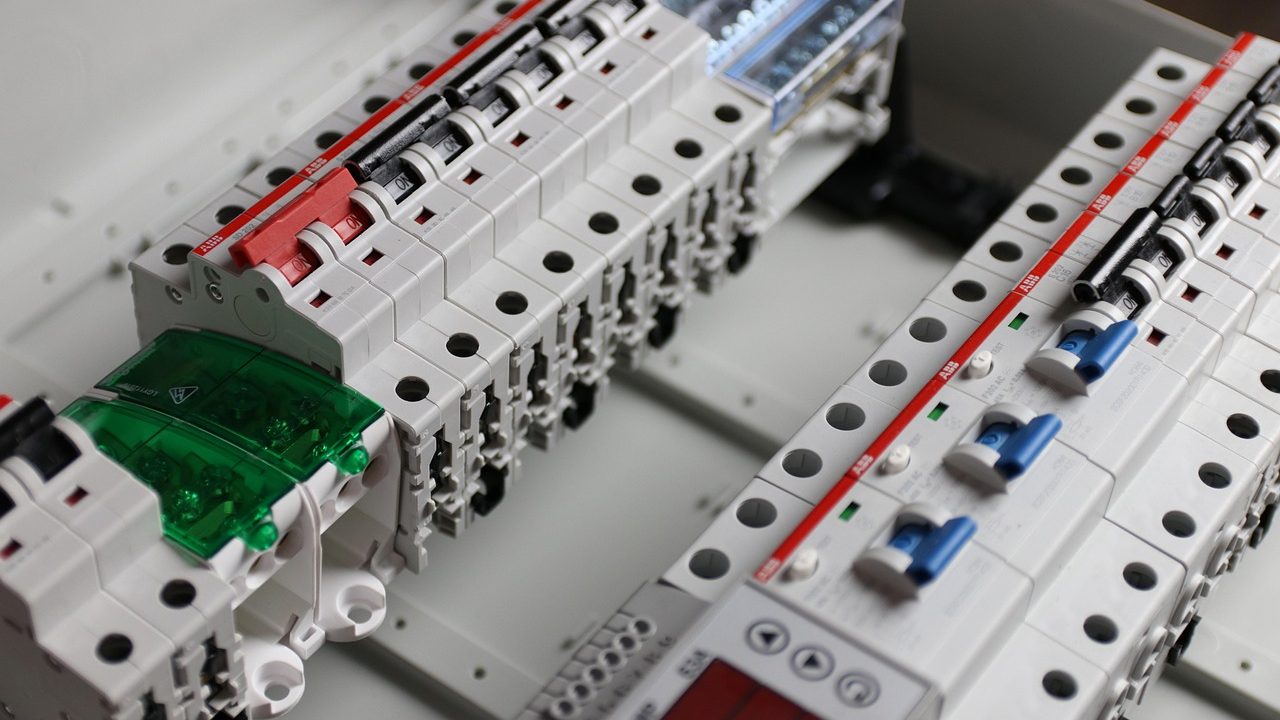
Modern homes contain thousands of dollars in sensitive electronics, from variable-speed HVAC compressor boards and smart refrigerators to LED lighting drivers and home automation hubs. A single utility voltage fluctuation or distant lightning strike can instantly fry these expensive circuit boards. While plug-in strip suppressors help, true comprehensive protection starts at the main electrical service entrance. Implementing a routine schedule for whole house surge protector maintenance ensures that your first line of defense remains operational when the grid experiences instability.
Unlike disposable power strips that sit visibly in your living room or office, a whole-house surge arrestor is typically mounted directly to or inside your main electrical panel. Because it is out of sight, it is often pushed out of mind. However, these protective devices have a finite lifespan and require periodic inspection. This manual covers how these devices function, what maintenance steps you can safely perform yourself, how to interpret diagnostic indicators, and when it is time to call a licensed electrician for a replacement.
Understanding How Whole-House Surge Protection Works
Before diving into maintenance tasks, it helps to understand the hardware you are monitoring. A residential surge protective device (SPD), commonly referred to as a service panel arrestor, diverts high-voltage electrical surges safely away from your home’s branch circuits and into the earth grounding system.
Inside the unit are components called metal oxide varistors (MOVs). Under normal operating conditions, MOVs act as insulators. When a severe voltage spike occurs, their electrical resistance drops instantaneously, clamping the voltage to a safe level and shunting the excess electrical energy away via the ground wire. Every time a surge is diverted, the MOVs absorb energy and degrade slightly. Over years of service—or after absorbing one massive lightning-induced surge—these internal components reach the end of their functional capacity and must be replaced.
To truly grasp how your electrical system interacts with a surge protector, consider the concept of multi-tiered defense. A whole-house protector acts as the primary barrier, absorbing the lion’s share of high-energy transients originating from utility switching, power restoration after outages, or distant lightning strikes. Secondary point-of-use suppressors at your desk or entertainment center handle residual spikes and clamping down on low-level interference generated by internal home appliances like refrigerators and hair dryers. Without the primary whole-house unit taking the heavy hit, secondary strips can easily be overloaded, potentially creating a fire hazard or failing silently.
It is also helpful to distinguish between different classifications of surge protective devices under the National Electrical Code and UL standards. Type 1 SPDs are permanently connected devices intended for installation on the line side of the service disconnect (before the main breaker), protecting against external high-energy surges from utility lightning strikes or grid switching. Type 2 SPDs are permanently connected devices intended for installation on the load side of the service disconnect—typically mounted directly to a breaker in your main load center or subpanel. Most residential whole-house installations utilize Type 2 units, which offer exceptional clamping performance for branch circuits while remaining serviceable by licensed electricians.
Establishing a Visual Inspection Routine
Homeowners should visually inspect their electrical service panel and surge protection equipment at least twice a year, as well as immediately following severe electrical storms or major grid outages in the neighborhood. You do not need to open the deadfront cover of your electrical panel to perform a basic check, though you must always exercise extreme caution around electrical equipment.
Start by locating your main electrical panel or subpanel where the device is installed. Look for external mounting units or clear viewing windows on integrated modules. Check for any physical signs of damage, such as scorch marks, melted plastic, a strange chemical burning odor, or physical cracks in the housing. If you notice any external damage, the unit has likely suffered a catastrophic failure and requires immediate attention from a licensed electrician.
In addition to checking the unit itself, look at the immediate environment surrounding your electrical panel. Ensure there is no moisture accumulation, rust, or debris obstructing the area. Water leaks from above or high humidity in basements and garages can compromise electrical enclosures, corrode ground connections, and accelerate the deterioration of surge protection components. Keeping the panel area clean, dry, and easily accessible is a critical aspect of home ownership safety.
When conducting your biannual visual walkthrough, use a systematic checklist approach. First, confirm that the panel door opens and closes smoothly without binding on surrounding drywall or shelving. Second, visually verify that any external conduit or wiring feeding the surge protector is physically secure and free from mechanical strain. Third, check that warning labels and manufacturer identification plates remain legible. If your surge protector is installed in a dimly lit utility closet or basement corner, install a dedicated overhead LED work light so you can easily observe diagnostic status indicators without straining or fumbling with a flashlight.
Checking Indicator Lights and Diagnostic LEDs
Most modern whole-house surge protectors feature diagnostic indicator lights to communicate their operational status at a glance. Understanding how to interpret these lights is the cornerstone of routine whole house surge protector maintenance.
Typically, these devices use one of two configurations:
- Green LED (Normal Operation): A steady green light (or multiple green lights for split-phase systems) indicates that the internal protection components are fully functional and actively monitoring your electrical lines.
- Red or Extinguished LED (Failure): If the light turns red, starts blinking, or goes dark entirely, the unit’s MOVs have degraded or sacrificed themselves. The device is no longer protecting your home and must be replaced.
Keep in mind that some budget models feature only a single light, while more advanced commercial-grade residential units feature independent diagnostic lights for each individual phase of power entering your home. If even one phase light goes dark, the entire module is compromised and must be swapped out.
It is also wise to consult your specific manufacturer manual regarding LED behavior. Some brands incorporate audible alarms that emit a continuous buzzing or clicking sound when protection fails. If you hear an unfamiliar alarm emanating from your utility room or garage panel area, investigate your surge protector immediately, as it is signaling that your safety buffer has expired.
For multi-phase residential services (common in North American 120V/240V split-phase systems), each hot bus bar requires its own protective pathway. A high-end surge protector monitors Line A to Neutral, Line B to Neutral, and Line A to Line B. If the diagnostic array includes three distinct indicator lights, verifying that all three remain illuminated is essential. A single unlit LED on a multi-phase indicator panel often means that half of your home’s internal circuitry has lost its surge mitigation path, leaving expensive 240-volt appliances like central air conditioners or electric water heaters vulnerable to asymmetric transients.
Evaluating Ground Wire Integrity
A surge protector cannot do its job without a robust, low-resistance path to earth. During a routine maintenance check, inspect the ground wire running from the surge protector to your electrical panel’s grounding bus bar, as well as the main grounding electrode conductor connected to your ground rods or water pipe.
Ensure that the ground wire is securely fastened, free of corrosion, and not pinched or frayed. A loose terminal screw on the grounding bus bar can introduce high resistance, rendering the surge protector useless during a high-energy transient event. If you notice corrosion or loose connections, do not attempt to tighten them yourself inside a live panel unless you are qualified; instead, shut off the main breaker or call an electrician.
Furthermore, consider the physical path of the ground wire. Short, straight runs offer the lowest impedance for high-frequency lightning surges. If a previous installation features a ground wire with sharp bends, excessive loops, or extra-long lengths, its effectiveness during a rapid transient event is significantly diminished. A professional electrical audit can evaluate whether your panel’s grounding geometry meets optimal performance standards.
Impedance is particularly critical when dealing with fast-rise-time voltage transients like lightning. At high frequencies, sharp bends in a conductor act like tiny inductors, impeding the flow of current and creating a localized voltage drop that can cause flashovers inside the panel enclosure. When an electrician installs or inspects your whole-house surge protector, they ensure the bonding jumper and ground conductor are trimmed to the shortest practical length with smooth, sweeping radiuses rather than sharp 90-degree corners. Homeowners should verify that no remodeling work, shelving installation, or storage boxes have accidentally displaced or kinked these critical grounding conductors over time.
Decoding Manufacturer Specifications: Joule Ratings and Clamping Voltage
When the time comes to evaluate your existing surge protector or select a replacement unit, understanding technical metrics like Joule ratings, Voltage Protection Ratings (VPR), and Nominal Discharge Current ($I_n$) helps you make informed consumer decisions.
Joule ratings measure the total amount of thermal energy a surge protector can absorb before its internal components fail. While higher Joule ratings generally indicate a longer operational lifespan, industry experts caution that Joule ratings alone do not tell the whole story. The physical design, construction quality, and thermal fusing of the MOVs are equally critical. A well-designed unit with a moderate Joule rating that safely disconnects from the circuit upon failure is far safer than a cheap, ultra-high Joule unit that lacks proper thermal protection and risks overheating.
Voltage Protection Rating (VPR), established by UL 1449 testing standards, indicates how much voltage the device lets through to your home’s wiring when a surge occurs. Lower VPR numbers represent better protection—typically expressed in standardized clamping levels such as 500V or 600V for 120-volt circuits. When reviewing your panel arrestor specifications or discussing replacement options with a licensed electrician, look for low VPR scores paired with sturdy enclosure ratings to ensure maximum defense for sensitive microprocessor-controlled appliances.
How Often to Replace Whole-House Surge Protectors
A frequent question among homeowners is how long these devices last and how often they need to be replaced. Unlike mechanical appliances, surge protectors do not have a hard calendar expiration date. Their longevity depends entirely on environmental factors and the quality of power delivered by your local utility.
On average, a quality whole-house surge protector lasts between three to five years in areas prone to frequent electrical storms and grid instability, while units in stable suburban grids may last up to ten years. However, calendar age is secondary to event history. If your home takes a direct lightning strike or suffers a severe transformer explosion nearby, the surge protector may sacrifice itself instantly. Rely on diagnostic lights rather than age alone to determine replacement schedules.
It is also helpful to keep a maintenance log. Write down the installation date of your whole-house surge protector with a permanent marker directly on the panel enclosure or in a home maintenance binder. When you test your smoke detector batteries or check your HVAC filters seasonally, take an extra minute to verify your surge protector status lights. This simple habit ensures you never inadvertently run your household unprotected for years on end.
Environmental stressors also accelerate component degradation. High ambient temperatures inside unconditioned garages, outdoor enclosures exposed to intense summer sun, or damp basements can degrade internal polymer housings and accelerate internal chemical breakdown. If your service panel is located in an extreme temperature environment, inspect your surge protector quarterly rather than semiannually to catch early signs of thermal stress, discoloration, or housing deformation.
Understanding Connected Equipment Warranties
Many reputable manufacturers of whole-house surge protection equipment offer limited connected equipment warranties. These programs promise to repair or replace household appliances and electronics damaged by voltage surges if the surge protector fails to perform its job.
However, homeowners must read the fine print carefully. To remain eligible for these warranties, manufacturers almost universally require that the surge protector be installed by a licensed, bonded electrician, and that the purchase and installation be formally registered with the manufacturer within a specific timeframe (often 30 to 60 days from installation). Furthermore, these warranties usually require proof that your home’s electrical service meets current National Electrical Code grounding requirements. Keeping copies of your original electrical installation invoice, inspection permits, and product registration confirmations in your home maintenance file protects your rights and ensures you are covered if a major utility surge damages your equipment.
Common Maintenance Mistakes to Avoid
When dealing with residential electrical panels, safety must always come first. Homeowners often make critical errors during maintenance checks:
- Opening the Panel Cover: Removing the deadfront cover of a breaker panel exposes live bus bars carrying hundreds of amperes. Unless you are a licensed electrician, never remove the panel cover.
- Ignoring Blinking Status Lights: Assuming a flickering or dim LED still means the unit is working is a dangerous gamble. Treat any status deviation as a total failure.
- Assuming Total Protection: A whole-house arrestor does not protect against prolonged overvoltage conditions, nor does it replace point-of-use suppressors for sensitive computers and entertainment centers. It serves as the first layer in a tiered defense strategy.
- Failing to Register Warranties: Many reputable manufacturers offer connected equipment warranties. Failing to have a licensed electrician install the unit or failing to register the product can void these guarantees.
Another common misstep is relying on cheap, unlisted devices purchased online without recognized safety certifications. Always ensure any surge protection equipment installed in your home carries certification marks from recognized testing laboratories such as UL (Underwriters Laboratories) or ETL, confirming that the unit has been rigorously tested to withstand specific surge current ratings.
Additionally, homeowners occasionally mistake whole-house surge protectors for uninterruptible power supplies (UPS units) or voltage regulators. A surge protector does not correct brownouts, sagging voltage, or momentary power dips; it only clamps high-voltage spikes. If your home experiences chronic low voltage or flickering lights due to local utility issues, a surge protector will not resolve those problems. Addressing chronic power quality issues requires direct coordination with your electric utility provider.
When to Call a Professional Electrician
While visual inspections and LED checks can be performed safely from outside the panel enclosure, actual hands-on maintenance, testing, and replacement require professional expertise. You should contact a licensed electrician if:
Your diagnostic lights indicate failure, the unit has physical damage, you are upgrading your electrical service or adding a subpanel, or you want to install a higher-capacity unit. Electricians can test the exact clamping voltage and ensure compliance with the National Electrical Code (NEC), protecting your home insurance validity.
Investing a few minutes every six months into checking your service panel protection ensures your home stays safe against unpredictable utility power spikes, saving you thousands of dollars in ruined appliances over the years.
Professional electricians bring specialized diagnostic tools, such as clamp meters and insulation resistance testers, to verify that your electrical panel’s neutral and ground buses are properly bonded and free of stray currents. They can also seamlessly integrate replacement surge arrestors that match your panel’s amperage rating and specific bus configuration, ensuring seamless compatibility and uninterrupted safety for your family and property.
Frequently Asked Questions About Whole-House Surge Protection
Can I install a whole-house surge protector myself?
No. Installing a whole-house surge protection device requires opening the main electrical panel deadfront cover, where live service conductors carry high amperage capable of causing severe shock, arc flash, or electrocution. Always hire a licensed, insured electrician for installation and replacement.
Do whole-house surge protectors protect against direct lightning strikes?
While whole-house surge protectors significantly mitigate the immense energy of lightning strikes hitting nearby utility lines or transformers, no device can guarantee 100% protection against a direct, direct-hit lightning strike to your home’s physical structure. They act as a powerful first line of defense that dramatically reduces damage potential.
How do I know if my surge protector has sacrificed itself?
The most reliable indicator is the status diagnostic LED. If the green light turns red, starts blinking, or goes completely dark, the internal metal oxide varistors have absorbed their maximum capacity and the unit must be replaced immediately by an electrician.